
Government Extends Export Shipment Risk Coverage Scheme Until March 2027
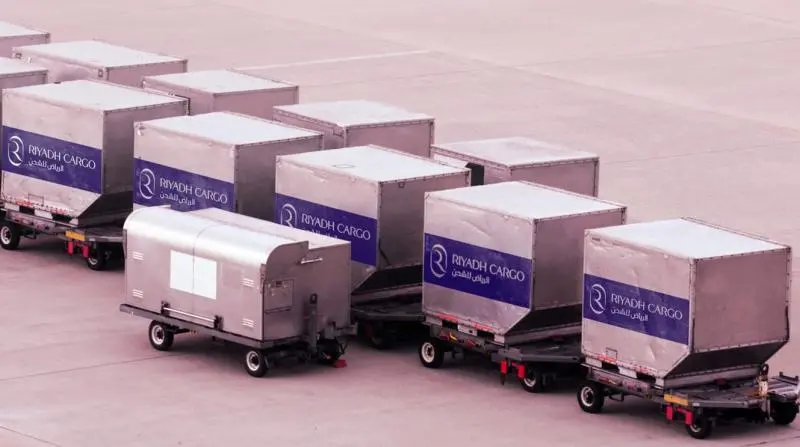
The government has extended the facility offering up to 95% risk coverage for export shipments under the Resilience & Logistics Intervention for Export Facilitation (RELIEF) scheme until March 2027. The extension comes amid continuing geopolitical disruptions in West Asia and their impact on maritime logistics across the Gulf.

PHP Security Flaws Raise Global Cybersecurity Concerns as Tech Leaders Warn of More Attacks
Senior technology leaders are warning of further cybersecurity incidents after critical vulnerabilities were discovered in PHP, prompting several websites to go offline while security teams rushed to install fixes and protect their systems. With PHP estimated to power nearly 70% of websites, the discovery has raised wider concerns about internet security. Nikesh Arora, CEO of Palo Alto Networks, and Sriram Krishnan, who briefly served as a senior White House policy adviser on AI, have cautioned that more incidents could follow. “I'm more concerned about what comes next. This is just one. There's more to come,” Arora said in an interview with TBPN, hours after the PHP vulnerabilities became public. He also expressed concern that some individuals might hunt for vulnerabilities to gain what he described as “street cred”, treating major discoveries like trophies to demonstrate their technical abilities. “The problem is when you start seeing big things like this happen, you start finding people who are trophy hunters. They're going to say, ‘Where can I find the next PHP and prove to the world that I'm as smart as the last guy,’” Arora said. PHP is a widely used programming language that supports websites and web applications. The newly identified flaws could allow attackers to gain remote access to vulnerable platforms. Although security fixes have been released, the incident has highlighted the risks associated with software used across a large portion of the internet. According to W3Techs, PHP powers an estimated 70% of websites, underlining the potential scale of the exposure. Arora suggested that uncovering a major weakness in widely used software could become a source of recognition among hackers. “If you're a hacker, isn't that a street cred that I found that one?” he said, referring to the reputation someone might gain from discovering a significant vulnerability. He added that several people contacted him shortly after the PHP security flaws were disclosed. “The moment this happened, I had four people message me saying, I found it, or I found it,” Arora said.
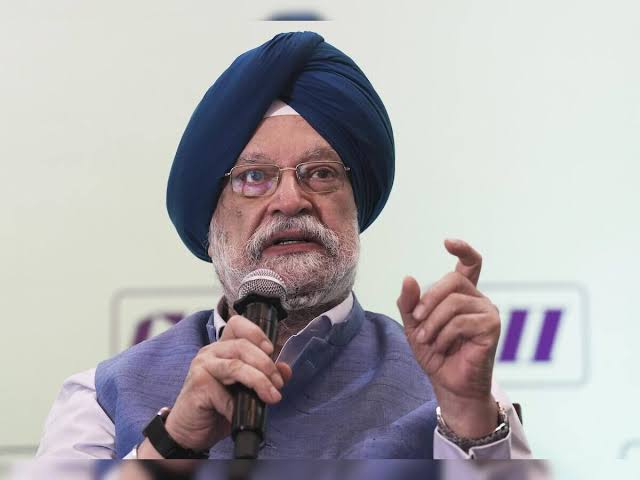
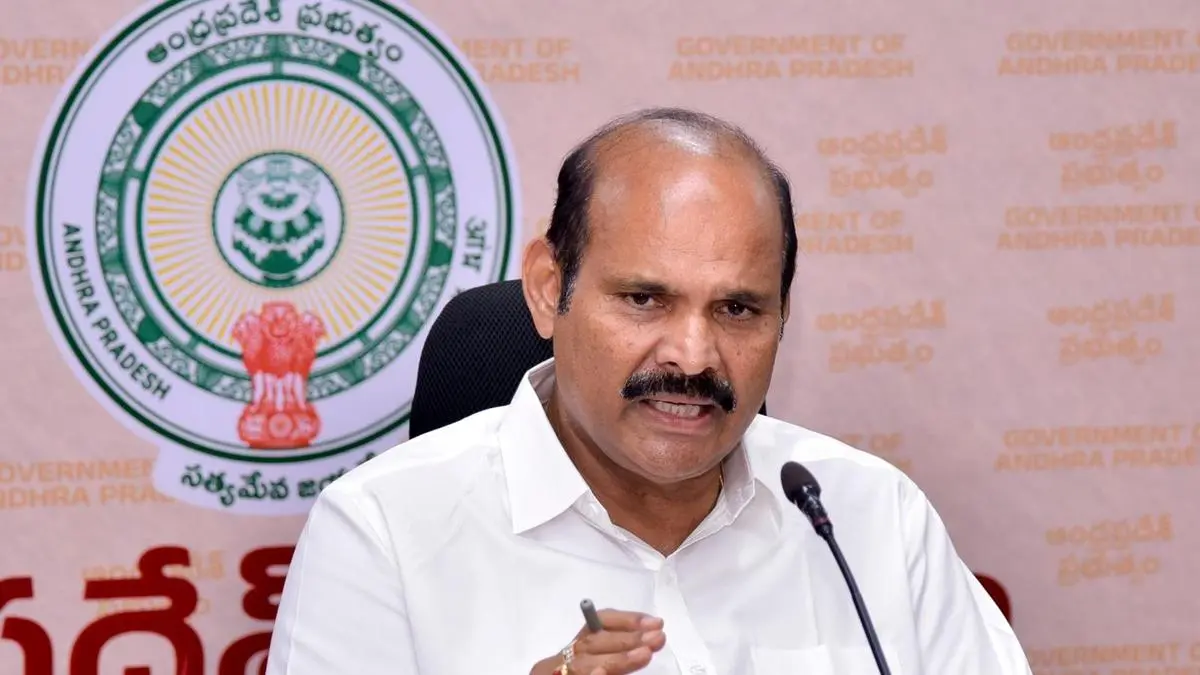
India Faces No US Pressure to Cut Russian Oil Imports, Says Hardeep Singh Puri
GrowthCap Ventures Invests in LogiXair to Advance Autonomous Cargo Aircraft Technology
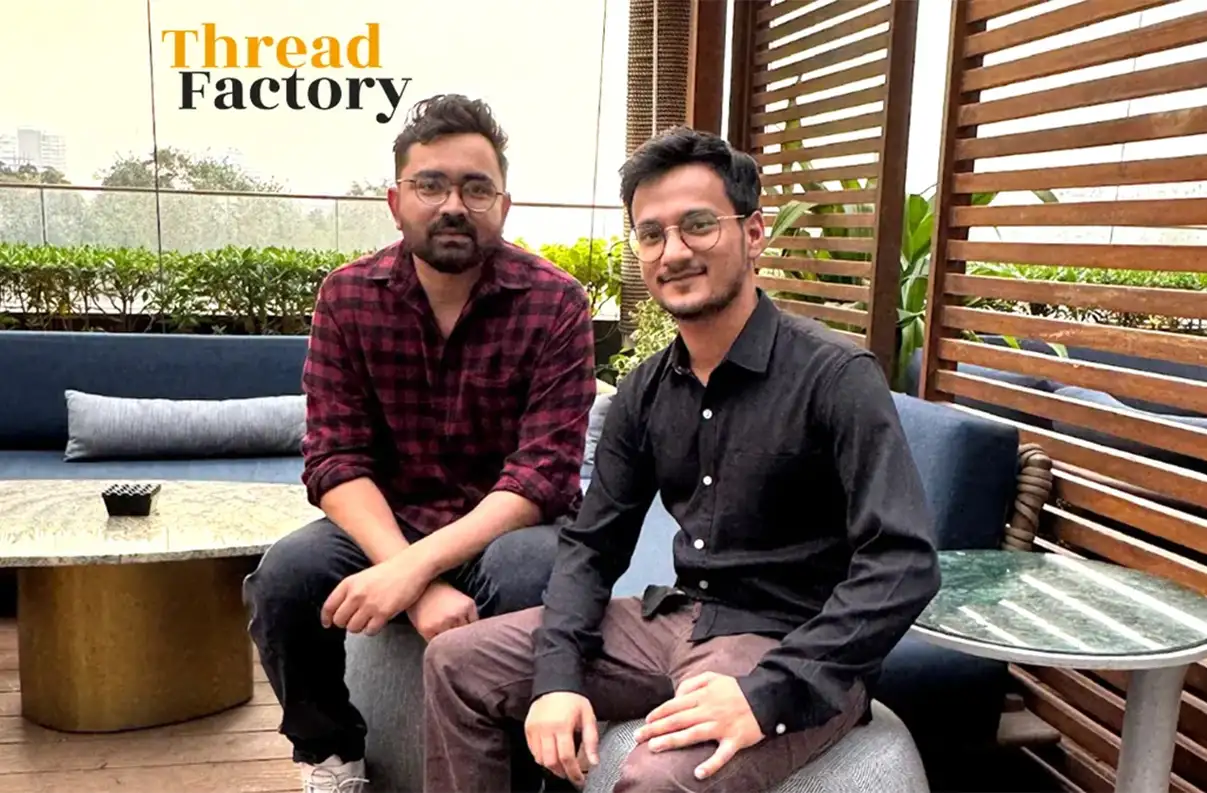
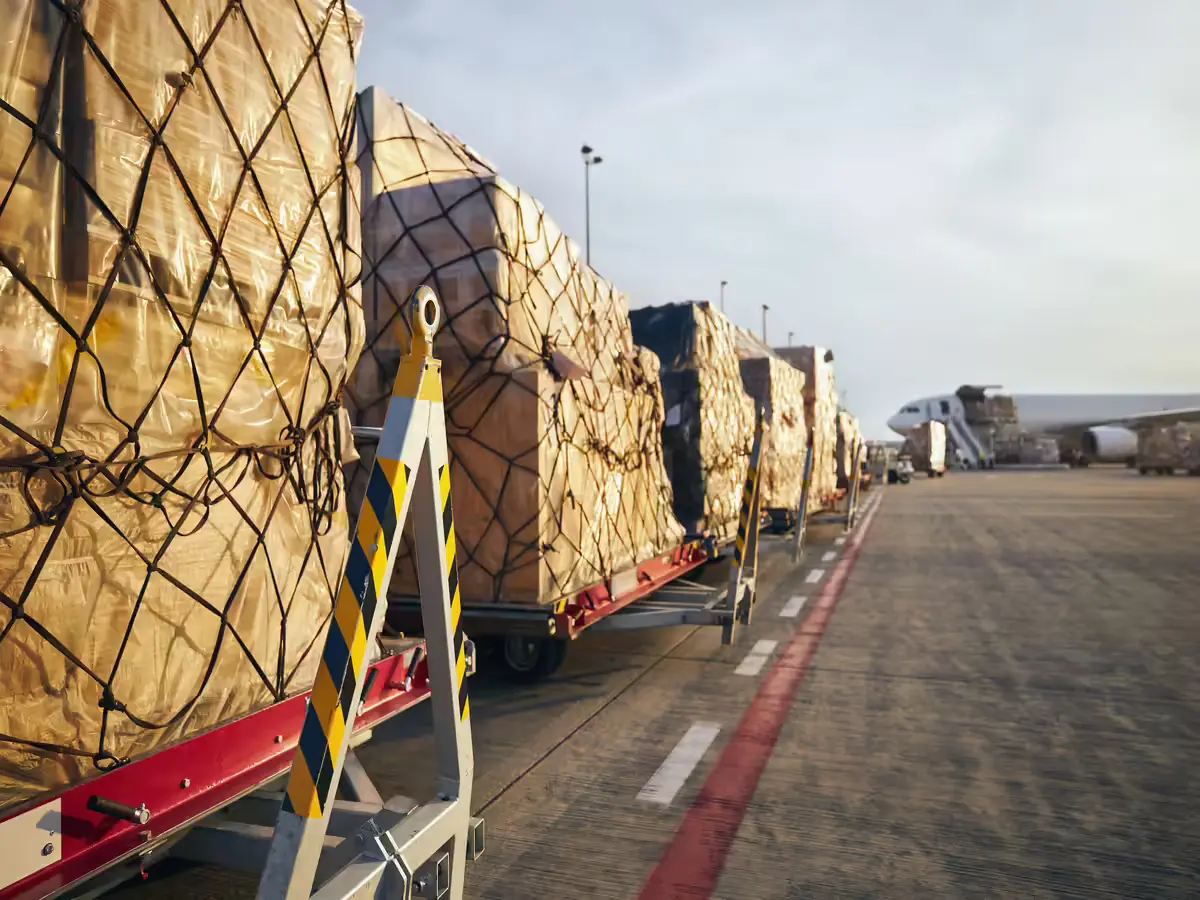
GrowthCap Ventures, an early-stage deeptech venture capital firm focused on technology-driven businesses, has invested in LogiXair, a Hyderabad-based aerospace and logistics company developing autonomous hybrid-electric Vertical Take-Off and Landing (VTOL) aircraft for cargo transportation across India and international markets. Angel investors with professional experience at Honeywell Aerospace have also joined the funding round, bringing industry expertise and strategic insight. Founded by Bhanu Teja Chidura and Pulla Kapil, LogiXair aims to address a key gap in India's logistics network: fast and reliable short-haul cargo movement over distances of up to 600 km between metropolitan areas, industrial hubs and Tier II and Tier III cities, without requiring conventional runways. The company also has plans to expand into international markets. Its engineering-focused team brings expertise in aerospace engineering, autonomous systems, robotics and software, with experience spanning research and commercial technology systems. LogiXair has validated a hybrid-electric powertrain, flight-tested sub-scale prototypes and developed six intellectual property (IP) assets at Technology Readiness Level (TRL) 6. Through work with DRDO and other aerospace and defence original equipment manufacturers (OEMs), the team tests its technology against practical operational requirements. Revenue from these activities also supports a capital-efficient route towards commercialisation. The company's L560 is an autonomous hybrid-electric VTOL aircraft designed to carry up to 300 kg over a distance of 600 km. Combined with modular cargo containers, autonomous ground-handling systems and fleet operations software, the platform is intended to create an additional logistics layer alongside road, rail and conventional aviation. This integrated approach could support the expansion of India's logistics market and provide opportunities for international exports. The investment will support further engineering, technology validation and commercialisation, while the company explores partnerships across logistics, industrial and strategic sectors. LogiXair's development comes as India's deeptech and aerospace ecosystem gains momentum, supported by initiatives such as the government's ₹1 lakh crore Research, Development and Innovation (RDI) Scheme, which aims to accelerate domestic technology development and commercialisation. With growing interest in autonomous aviation, advanced mobility and strategic technologies, the company sees opportunities to develop globally competitive aerospace solutions in India.
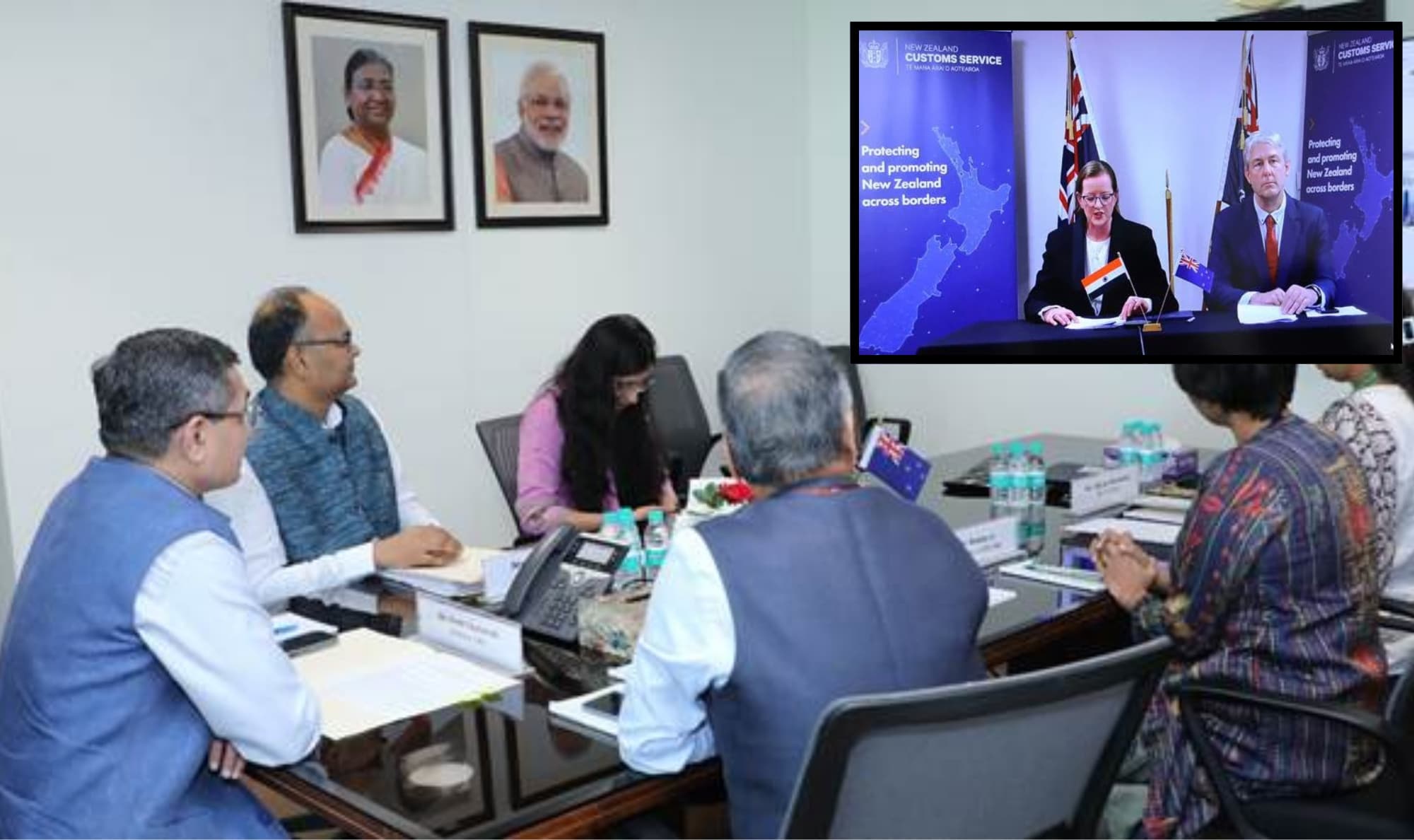
India and New Zealand Sign MoC to Enable Electronic Origin Data Exchange for Trade
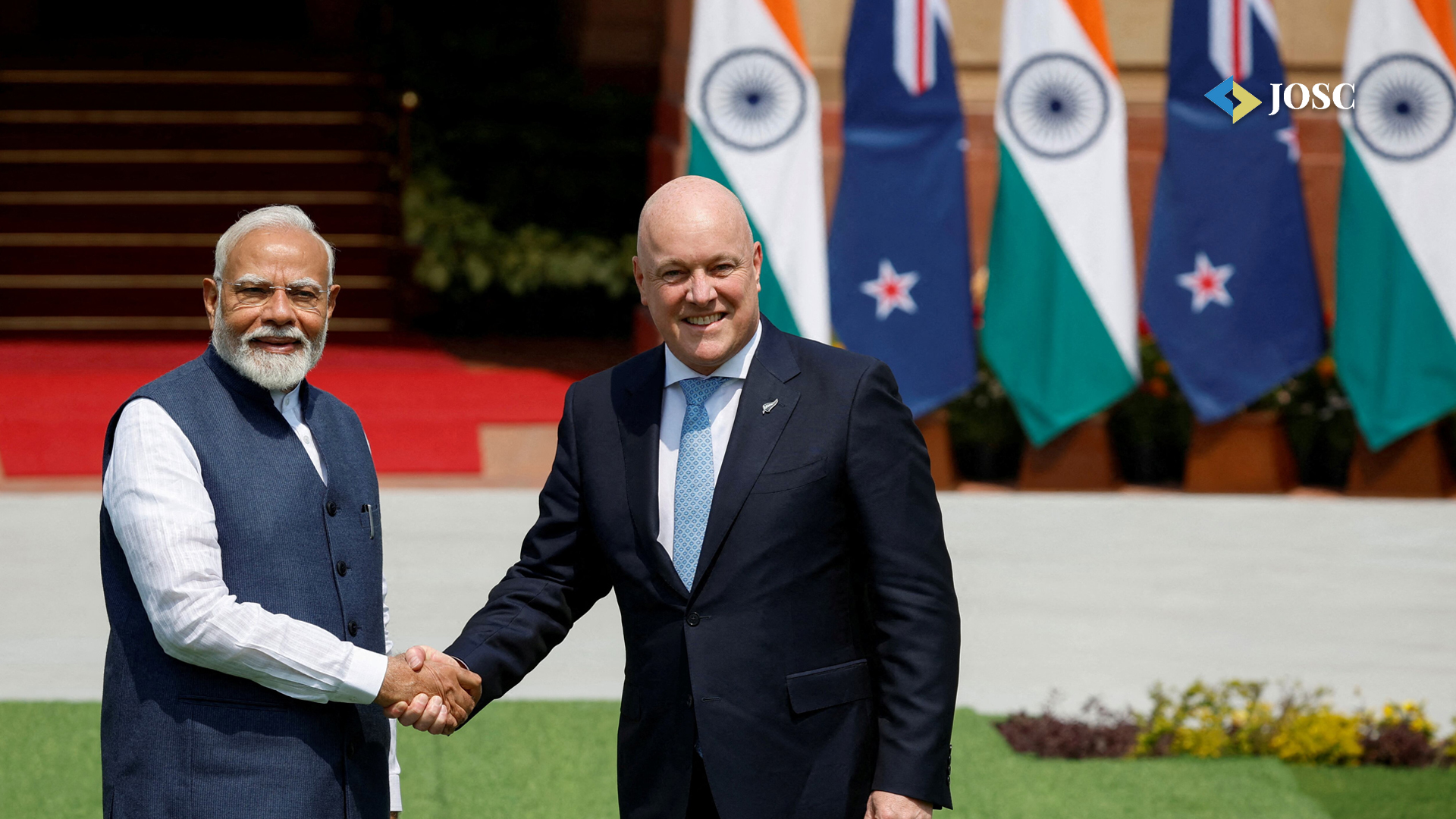
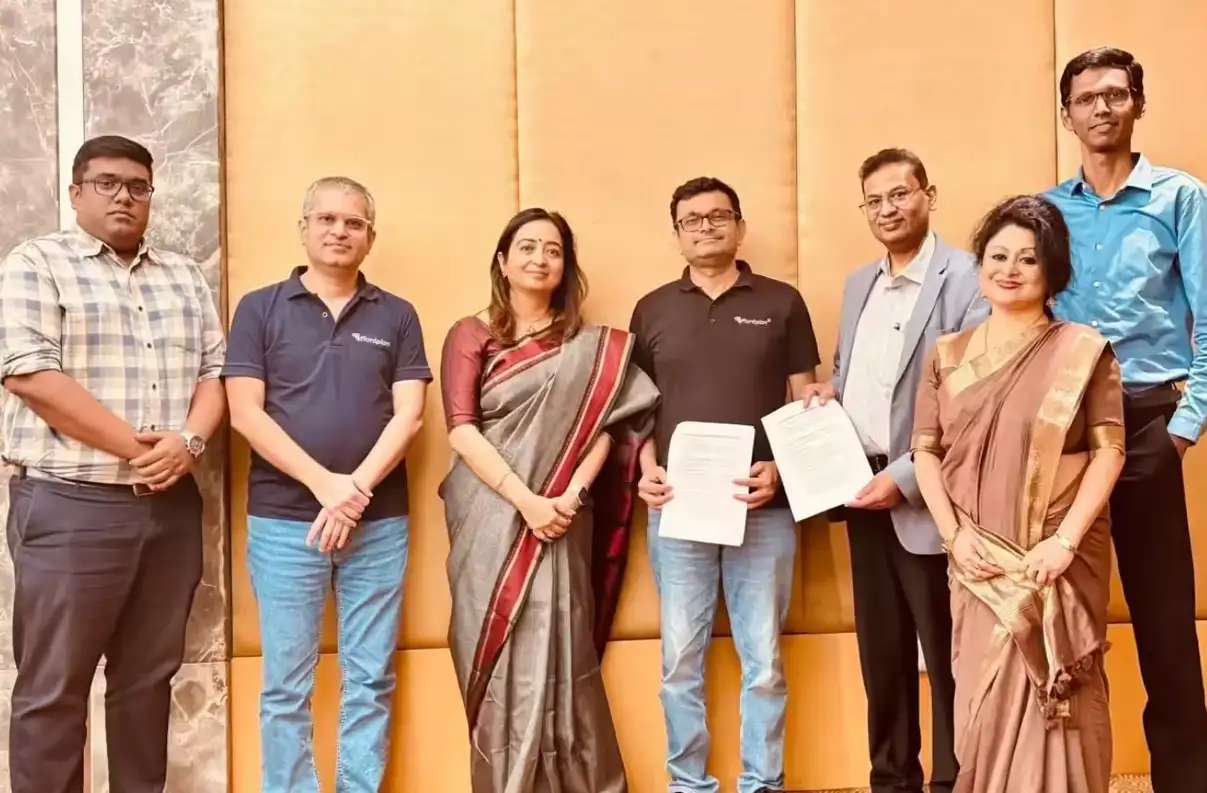
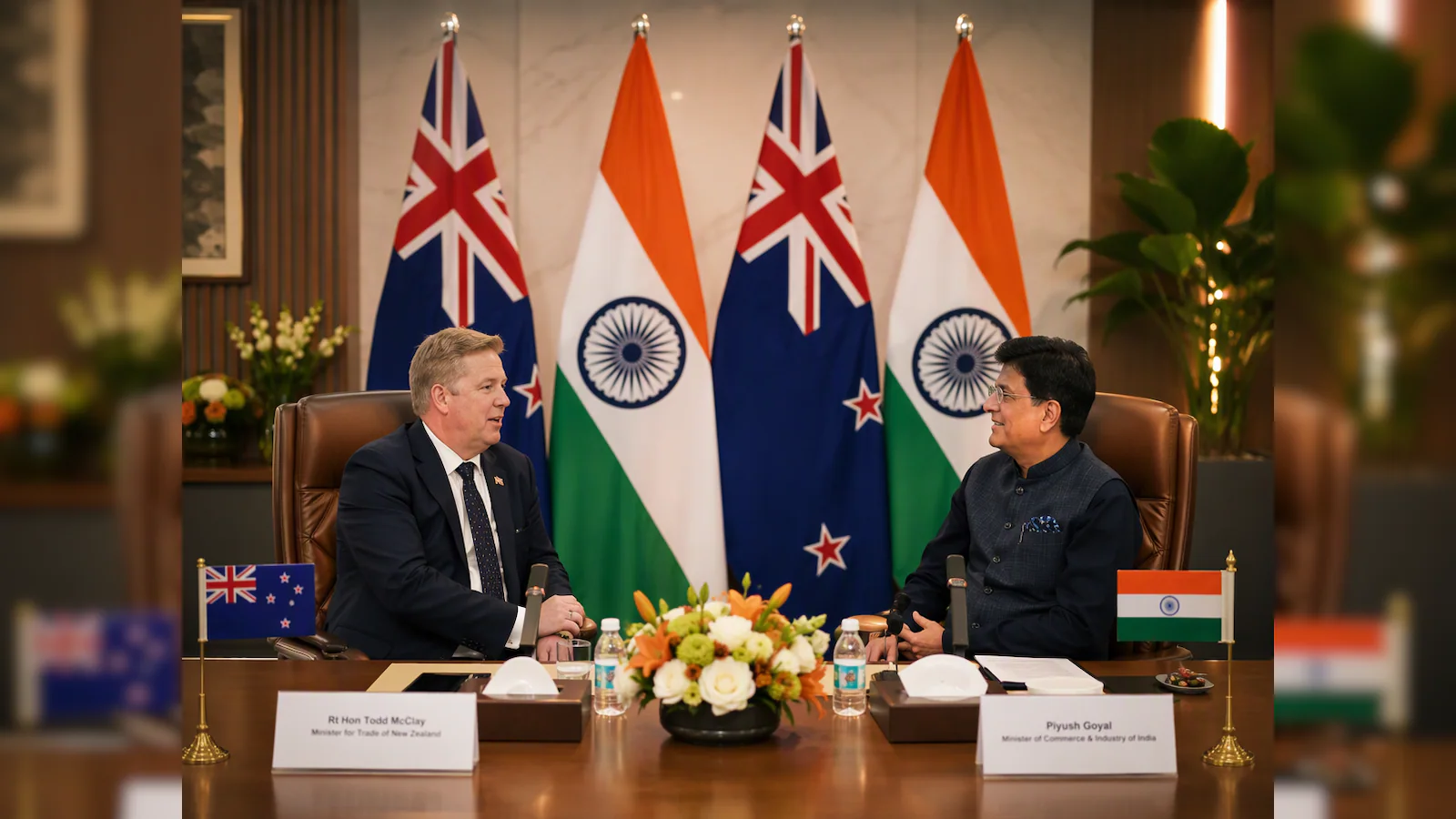
India and New Zealand have signed a Memorandum of Cooperation (MoC) on electronic origin data exchange to facilitate bilateral trade under the India-New Zealand Free Trade Agreement (FTA). The agreement marks a significant step towards strengthening customs cooperation and making trade between the two countries more efficient. The MoC was signed on the 19th of this month by Central Board of Indirect Taxes and Customs Chairman Vivek Chaturvedi and New Zealand Customs Service Comptroller and Chief Executive Christine Stevenson. According to the Ministry of Finance, the agreement reflects the shared commitment of India and New Zealand to use digitalisation and improved information exchange to make cross-border trade more efficient, secure and predictable.
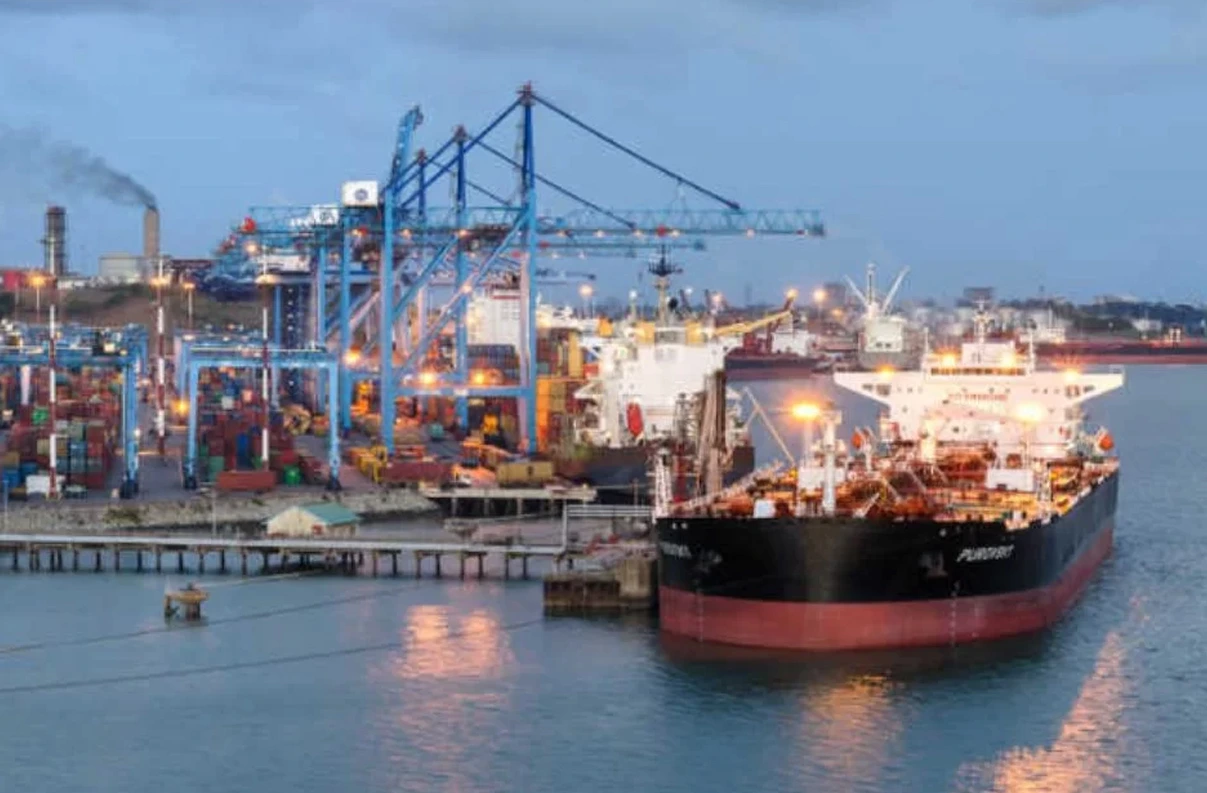
Essar Ports Wins ₹2,276 Crore Tuna Tekra Terminal Project at Kandla Port
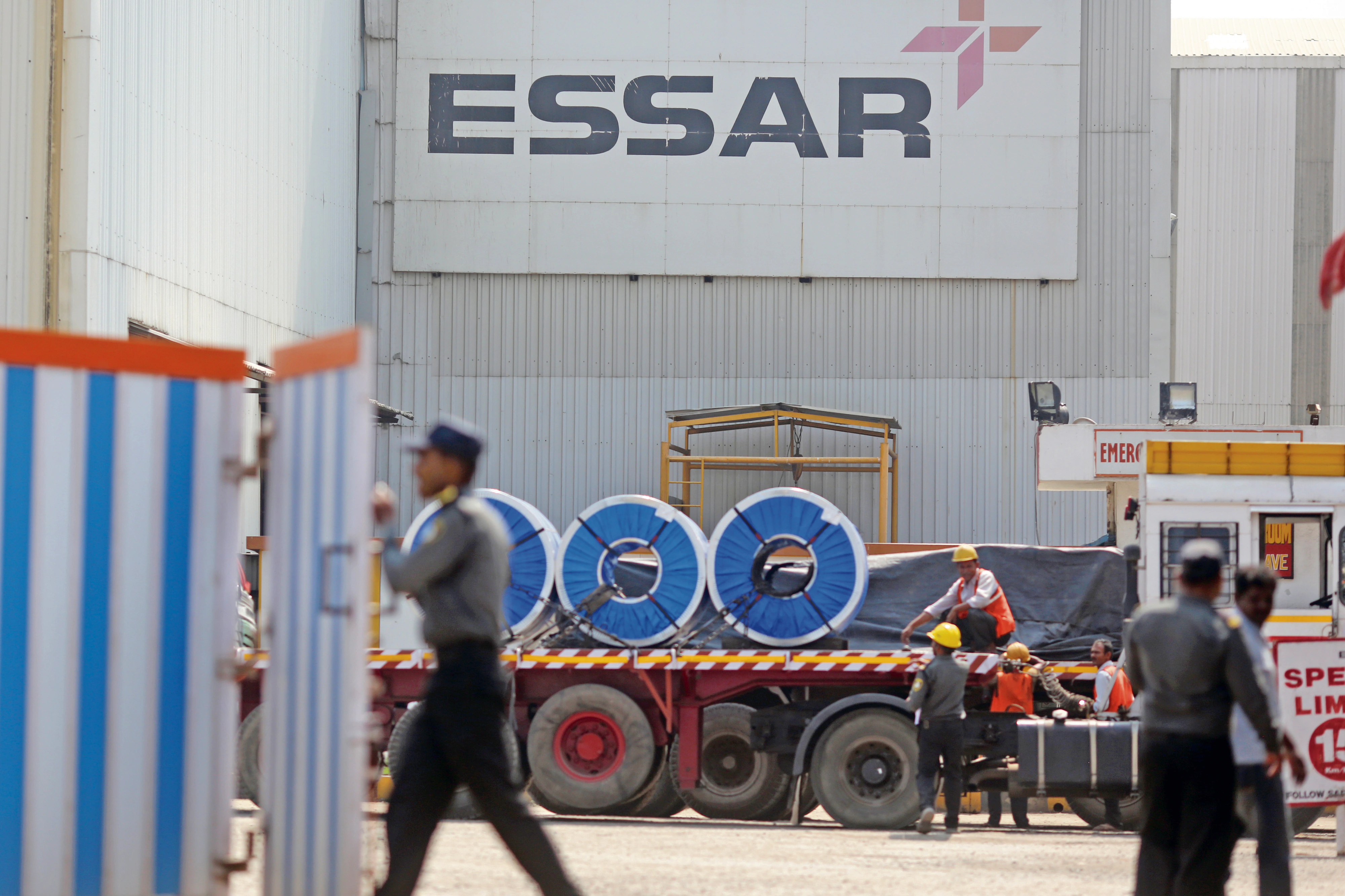
Essar Ports Limited received a Letter of Award from the Deendayal Port Authority (DPA) on 21 October 2026 to develop a multipurpose cargo terminal at Tuna Tekra in Kandla, Gujarat. The project is estimated to cost ₹2,276.06 crore and is planned to handle 18.33 million tonnes of cargo annually, excluding liquid and container cargo. Project Structure and Financing The terminal will be developed under a Build-Operate-Transfer (BOT) model through a Public-Private Partnership (PPP), with a concession period of 30 years. Under this arrangement, the private developer will build and operate the facility for the agreed period before transferring it to the public authority in line with the concession agreement. Essar Ports won the contract as the highest bidder in a global competitive bidding process, offering a royalty of ₹61 per tonne to the DPA. The company will invest ₹1,552.57 crore, while the DPA will contribute ₹723.49 crore towards common-user infrastructure. The authority’s responsibilities include dredging access channels, berth pockets and turning circles, along with developing a common approach road.
India Business Activity Hits Four-Month High in October as Services Demand Strengthens
India's business activity grew at its fastest pace in four months in October, supported by stronger new orders and an improvement in services demand. However, hiring nearly came to a standstill as companies relied on existing employees to manage workloads, according to a preliminary business survey. The HSBC Flash India Composite Purchasing Managers' Index (PMI), compiled by S&P Global, climbed to 56.7 in October from September's final reading of 55.9. The figure also exceeded the median forecast of 56.1 in a Reuters poll. A PMI reading above 50 indicates expansion, although the latest result remained below this year's average. Services Sector Leads Growth India's services PMI increased to 56.2 from 55.2, accounting for most of the acceleration in private-sector activity. Demand strengthened during the month, but employment remained unchanged, bringing a nine-month run of hiring to an end. Manufacturing output also recorded an increase, although growth in recruitment slowed. As a result, the sector's headline PMI eased to 54.9 from 55.1 in September. Businesses reported that their existing workforce was sufficient to meet current demand. Meanwhile, outstanding work declined at a pace matched only by the fastest rate recorded in nearly six-and-a-half years, suggesting that companies were making progress in clearing backlogs.
Articles






































![$item['leaders']['alt']](https://journalofsupplychain.com/storage/app/public//registration/journal_of_supply_chain_1776247742.png)
![$item['leaders']['alt']](https://journalofsupplychain.com/storage/app/public//registration/journal_of_supply_chain_1776235609.png)
![$item['leaders']['alt']](https://journalofsupplychain.com/storage/app/public//registration/journal_of_supply_chain_1776169018.png)
![$item['leaders']['alt']](https://journalofsupplychain.com/storage/app/public//registration/journal_of_supply_chain_1775824393.png)