CJ Darcl and NHEV Join Forces to Launch Heavy Electric Freight on India's E-Highwayst
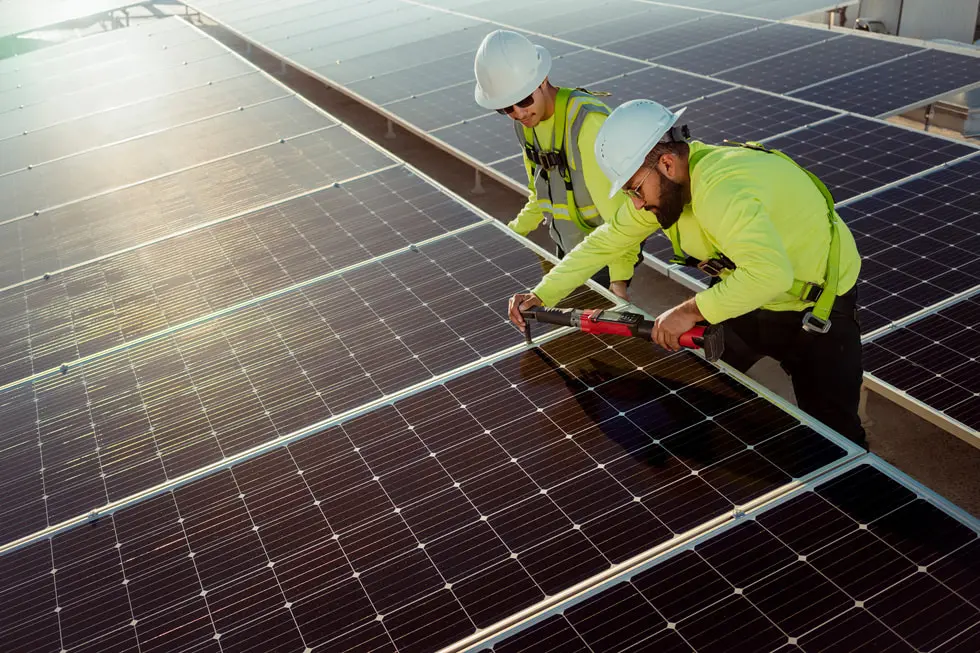
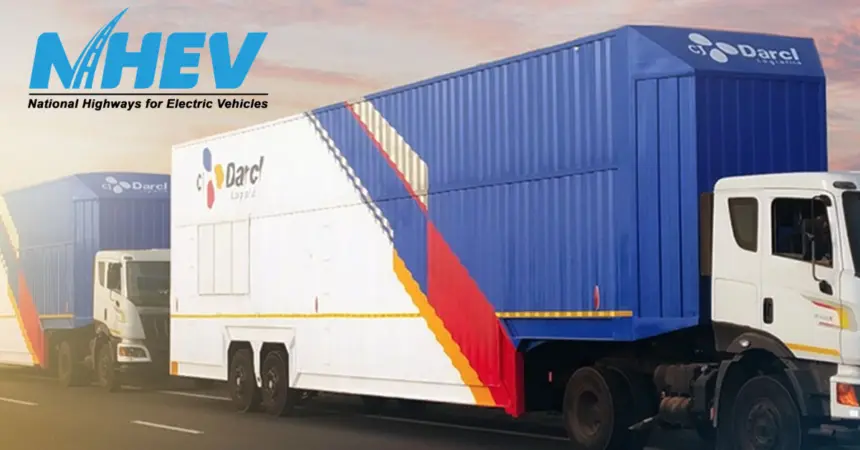
CJ Darcl Logistics has signed a Memorandum of Understanding with National Highways for Electric Vehicles under India's Ease of Doing Business programme, marking a significant step toward electrifying the country's heavy freight sector. The agreement focuses on assessing the commercial viability of deploying heavy electric vehicles on NHEV's upcoming E-highway network, with both organisations committed to building a low-carbon, future-ready logistics ecosystem. The partnership pools CJ Darcl's multimodal logistics capabilities with NHEV's integrated 3G Energy Stations, which bundle EV charging, battery swapping, solar power generation, dedicated warehousing, and strategically positioned logistics hubs. Together, these assets are expected to boost fleet utilisation, sharpen operational efficiency, and meaningfully cut freight emissions along major corridors. A central component of the MoU is the joint development of 3G charging infrastructure and co-ownership of a fleet of heavy electric trucks to run freight services on NHEV's Zero Emissions Trucking E-Highway. The Bengaluru–Chennai corridor has been chosen as the pilot route, offering a high-density, commercially active lane that both parties believe will serve as a replicable model for national rollout. Nikhil Agarwal, President of CJ Darcl Logistics, framed the collaboration as more than a technology adoption exercise.