News
Tata Motors Crosses 3,400 Electric Commercial Vehicle Orders Across Freight and Passenger Segments
 Our Correspondent,
Our Correspondent,
Our Correspondent,
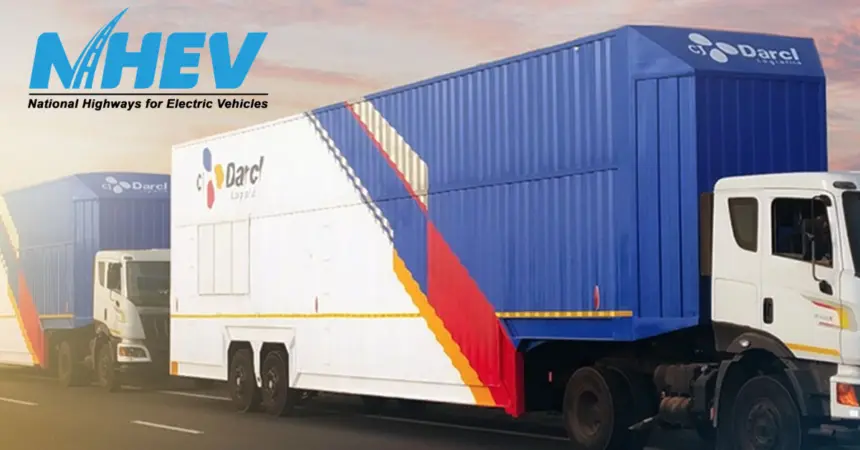
Tata Motors has received more than 3,400 orders for electric commercial vehicles spanning freight, logistics, and passenger transport, the automaker announced this week. The order book breaks down into roughly 2,000 small commercial vehicles and pick-ups, 900 trucks, and 500 buses, serving industries as varied as e-commerce, FMCG and FMCD distribution, cement, steel, mining, road construction, and both inter-city and intra-city passenger services.
For Tata Motors, the milestone signals something more significant than a sales figure. The company says the breadth of deployment reflects a genuine shift in customer sentiment, moving away from cautious pilot programmes toward full-scale operational integration of electric vehicles across diverse duty cycles and real-world conditions.
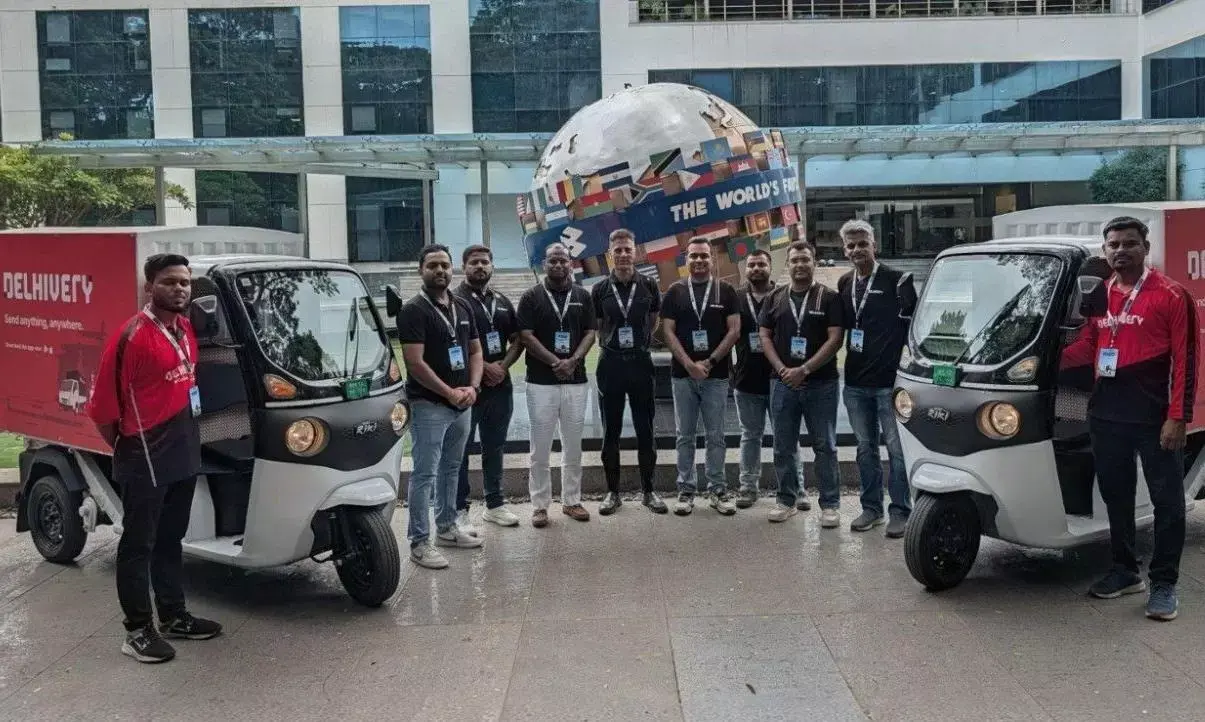
Over the past year, Tata Motors has deliberately widened its electric commercial vehicle portfolio to match the demands of different workloads. At the lighter end, the Ace Pro EV, Ace EV, and Intra EV handle last-mile delivery and intra-city distribution.
Conference
Conference
For heavier applications, the Ultra EV range covers seven to twelve tonnes, while the Prima EV 55T tractor and Prima EV 28T tipper address long-haul and construction-related haulage. The passenger segment is served by the Starbus EV and Ultra EV bus platforms, which are already active on both urban and intercity routes.
The company's existing electric footprint in India is already substantial. More than 3,800 Tata electric buses are currently operating across multiple cities, having collectively covered over 550 million kilometres. On the commercial vehicle side, more than 17,000 Tata electric small commercial vehicles are now running on Indian roads.
Recognising that vehicle availability alone does not drive adoption, Tata Motors has also invested in the surrounding ecosystem. The company has partnered with more than 14 charge point operators to build out charging infrastructure, established EV-specific financing arrangements with banks and non-banking financial companies, and rolled out its Fleet Edge fleet management platform alongside uptime assurance programmes designed to reduce operator risk and build confidence in electric mobility at scale.
Explore the latest edition of Journal of Supply Chain Magazine and be part of the JOSC News Bulletin.
Discover all our upcoming events and secure your tickets today.
Journal of Supply Chain is a Hansi Bakis Media brand.
Subscribe to our Daily Newsletter
Subscribe For FreeBy continuing you agree to our Privacy Policy & Terms & Conditions