News
PepsiCo India Launches EV Green Corridor and Electrifies Distribution Fleet in Major Sustainability Push
 Our Correspondent,
Our Correspondent,
Our Correspondent,
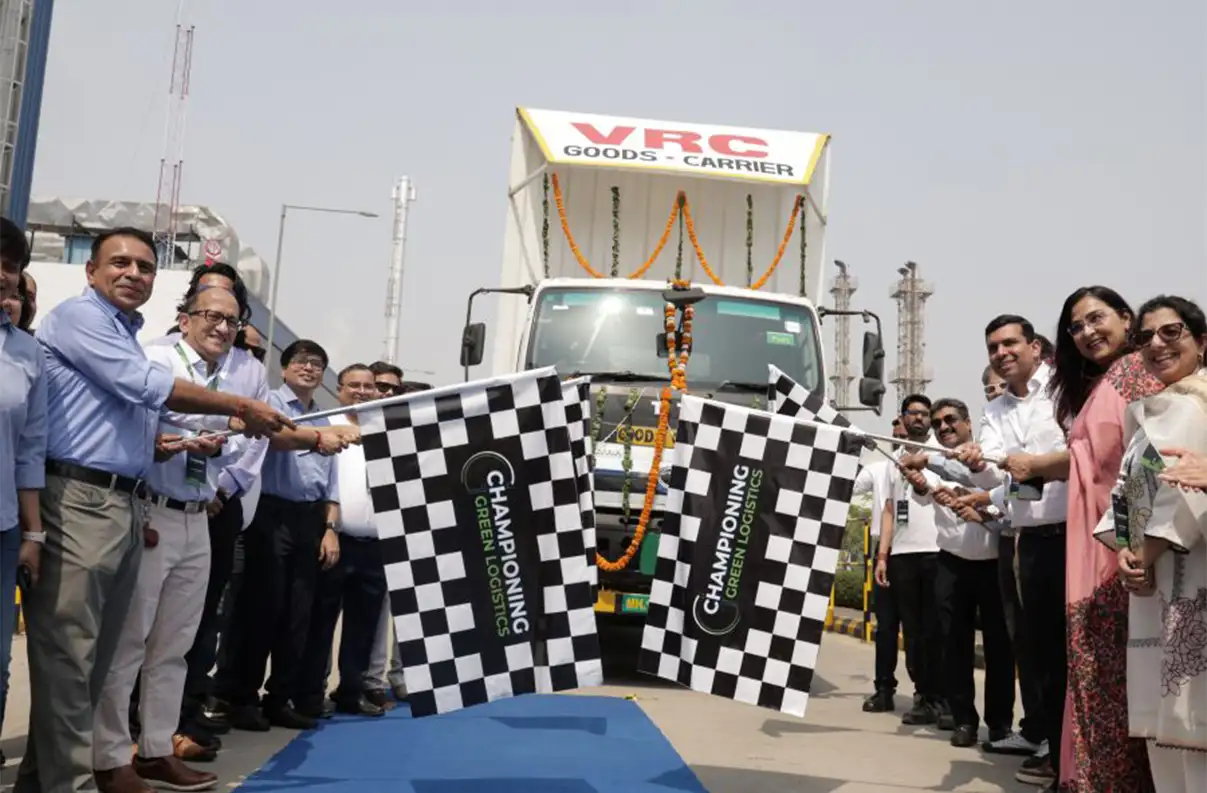
PepsiCo India has taken a decisive leap forward in green logistics by unveiling three major interconnected initiatives that collectively represent a transformative approach to reducing supply chain emissions. The centerpiece of this announcement is the establishment of a dedicated electric vehicle (EV) Green Corridor along the Kosi-Pataudi route, developed through a strategic partnership with Kalyani Powertrain Limited.
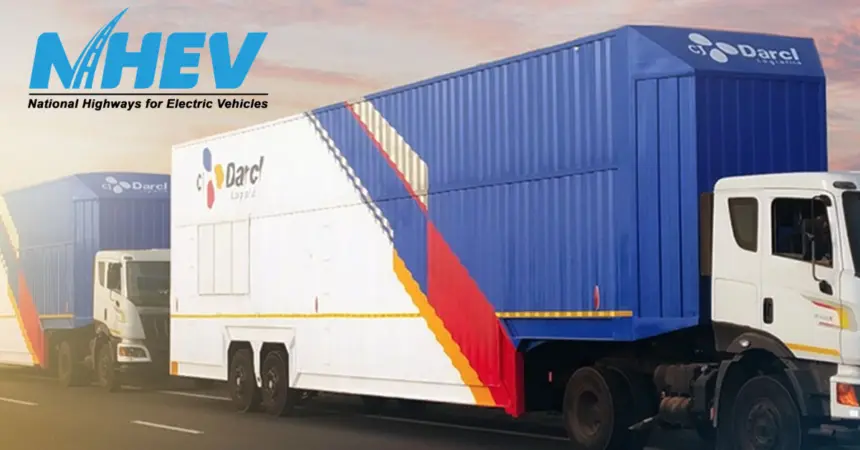
The Green Corridor will deploy eight 32-feet single-axle Re-Powered electric container trucks, capable of covering approximately 4.8 lakh electric kilometres each year on this critical route. This infrastructure marks a substantial commitment to cleaner freight transportation and demonstrates how large-scale commercial operations can transition to electric mobility.
The inauguration ceremony brought together key stakeholders including Shri Laxmi Narayan Chaudhary, Cabinet Minister for Sugar Industry and Cane Development in the Government of Uttar Pradesh, Jagrut Kotecha, CEO of PepsiCo India and South Asia, and Pankaj Sonalkar, Managing Director of Kalyani Powertrain Limited. Senior leadership from PepsiCo, logistics partners, and distribution ecosystem partners also attended the landmark event.
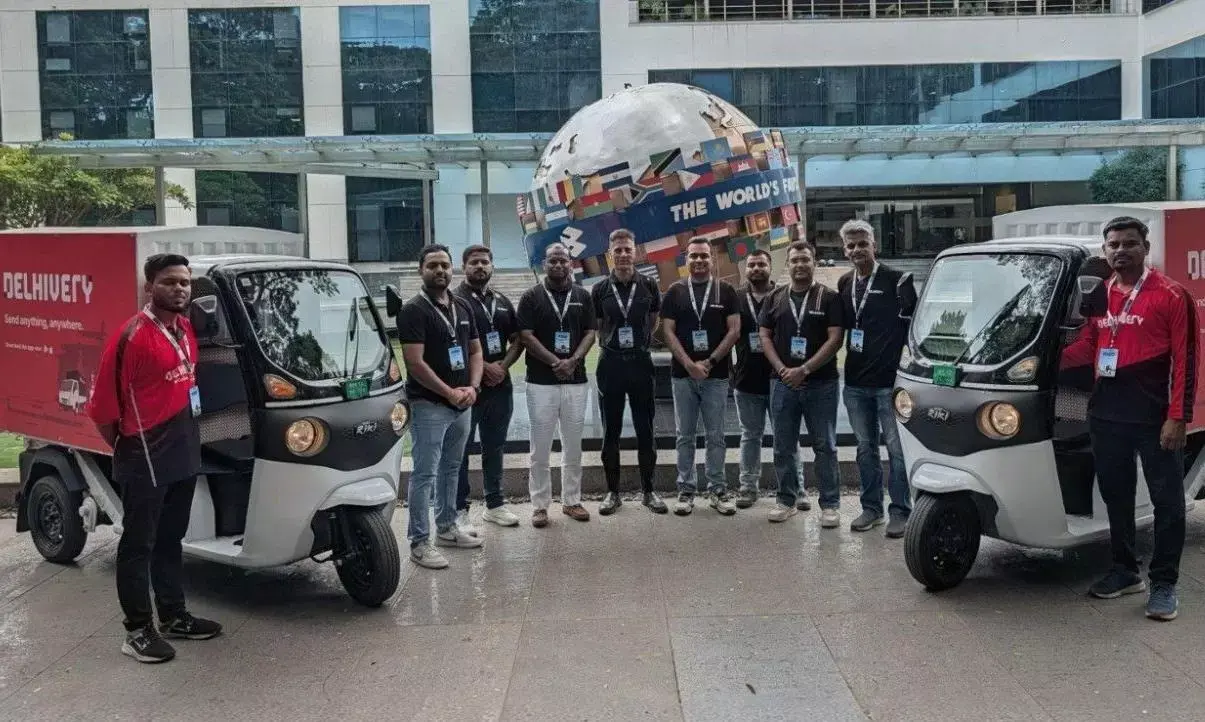
Beyond the corridor launch, PepsiCo India has orchestrated a comprehensive transformation of its distribution network. The company has successfully converted more than 400 distributor-linked vehicles to electric three and four-wheelers across multiple markets. This conversion directly addresses emissions at the crucial last mile of delivery, where environmental impact is most visible in urban areas.
In the National Capital Region specifically, PepsiCo has deployed over 80 CNG (Compressed Natural Gas) vehicles through its network of logistics partners. This deployment forms part of a broader strategy aimed at minimizing the environmental footprint of urban logistics operations, where air quality concerns are particularly acute.
When viewed together, these three initiatives represent a carefully coordinated effort spanning the entire logistics spectrum—from linehaul freight transportation to urban distribution and last-mile delivery. The approach demonstrates how systematic thinking can create meaningful impact across multiple touchpoints in the supply chain.
Shri Laxmi Narayan Chaudhary, Cabinet Minister for Sugar Industry and Cane Development, Government of Uttar Pradesh, expressed strong support for the initiative. "I appreciate PepsiCo India and its partners for taking this important step with the inauguration of the Green Corridor," he stated. "Initiatives like these reflect how industry can grow while remaining mindful of the environment. The Government is strongly focused on promoting electric mobility and encouraging cleaner modes of transportation, and this initiative is well aligned with that vision. Such efforts will go a long way in supporting sustainable development and further strengthening the region's industrial progress."
Jagrut Kotecha, CEO of PepsiCo India & South Asia, emphasized the company's holistic approach to sustainable operations. "At PepsiCo India, sustainability is embedded in how we operate and grow," Kotecha explained. "The launch of the EV Green Corridor on the Kosi-Pataudi route, together with the electrification of our distributor fleet and CNG deployment in NCR, reflects our commitment to building a supply chain that is cleaner, more efficient, and future-ready."
Kotecha highlighted the collaborative nature of the achievement, noting that PepsiCo's Partnership of Progress approach has enabled the company to bring together the right partners across technology, logistics, infrastructure, and finance. "We believe this kind of ecosystem collaboration is what it takes to drive lasting change, not just for PepsiCo, but for the sector," he added.
Pankaj Sonalkar, Managing Director of Kalyani Powertrain Limited, spoke about the technology partnership underpinning the Green Corridor. "We are proud to partner with PepsiCo India in advancing sustainable freight mobility through the deployment of electric container trucks on Kosi-Pataudi Green Corridor," Sonalkar said.
Conference
Conference
"This initiative demonstrates how electric vehicle technology can be effectively integrated into commercial logistics operations when supported by strong ecosystem collaboration."
Sonalkar emphasized Kalyani Powertrain's ongoing commitment to innovation: "At Kalyani Powertrain, we remain committed to developing innovative and reliable mobility solutions that enable businesses to transition toward cleaner, more efficient transportation while supporting India's broader decarbonization goals."
The initiative has also strengthened long-standing partnerships within PepsiCo's logistics network. Ashwani Singhal, Managing Director of Vayudoot Road Carriers, a Pune-based logistics company, reflected on the evolution of their collaboration. "Our 25+ year partnership with PepsiCo India has helped us steadily build stronger capabilities and higher operating standards across our network," Singhal noted. "Anchoring on this trust, we are proud to deploy electric container trucks on the Kosi-Pataudi Green Corridor, reaffirming our commitment to sustainable and future-ready logistics."
Saurabh Tiwari, Director of New Trishul Transport Services based in Kanpur, brought decades of transportation experience to bear on the initiative. "With over three decades in transportation, we believe the future of logistics must balance efficiency with environmental responsibility," Tiwari stated. "Our collaboration with PepsiCo on EV deployment reinforces our longstanding commitment to innovation and cleaner mobility solutions, while continuing to strengthen reliable and forward-looking supply chains."
The initiatives align closely with PepsiCo India's Partnership of Progress philosophy, which emphasizes collaborative problem-solving and shared value creation. The projects have been developed through intensive collaboration with original equipment manufacturers (OEMs), logistics partners, and distributors to ensure solutions are practical and suited to real-world operating conditions.
This comprehensive approach to green logistics positions PepsiCo India at the forefront of sustainable supply chain management in the fast-moving consumer goods sector. By addressing emissions across multiple segments—long-haul transportation, urban distribution, and last-mile delivery—the company is creating a blueprint that other corporations can study and potentially replicate.
The timing of these initiatives is significant, coming at a moment when Indian industry is increasingly focused on environmental, social, and governance (ESG) performance. Government policies are strongly encouraging the adoption of electric vehicles and cleaner transportation alternatives, creating a supportive regulatory environment for such transitions.
The conversion of over 400 distributor vehicles to electric options represents a particularly challenging aspect of the overall effort, as it requires coordinating with numerous independent business partners and ensuring they have access to appropriate charging infrastructure and technical support. The successful execution of this element demonstrates the strength of PepsiCo's distribution partnerships and the company's ability to drive change across its extended network.
The deployment of CNG vehicles in the National Capital Region addresses immediate air quality concerns in one of India's most pollution-challenged urban areas. While CNG is not a zero-emission solution, it represents a significant improvement over conventional diesel vehicles and provides a practical intermediate step in markets where full electrification may face infrastructure constraints.
The Kosi-Pataudi Green Corridor itself represents a significant technical and operational undertaking. Operating eight electric container trucks covering 4.8 lakh kilometres annually requires robust charging infrastructure, maintenance capabilities, and operational planning. The route selection likely reflects careful analysis of distance, load requirements, and infrastructure availability to ensure the corridor can operate reliably and efficiently.
As Indian industry continues to evolve toward more sustainable practices, initiatives like PepsiCo's Green Corridor are likely to influence broader sector practices. The lessons learned from deploying and operating electric freight vehicles at scale will be valuable not just for PepsiCo but for the entire logistics and supply chain community. The involvement of multiple partners—from technology providers to long-established logistics companies—creates a knowledge-sharing ecosystem that can accelerate the broader adoption of green logistics solutions across India's commercial transportation sector.
Explore the latest edition of Journal of Supply Chain Magazine and be part of the JOSC News Bulletin.
Discover all our upcoming events and secure your tickets today.
Journal of Supply Chain is a Hansi Bakis Media brand.
Subscribe to our Daily Newsletter
Subscribe For FreeBy continuing you agree to our Privacy Policy & Terms & Conditions