News
Apple Triples Clean Energy Capacity and Expands Solar and Water Initiatives in India
 Our Correspondent,
Our Correspondent,
Our Correspondent,
Apple has announced a significant expansion of its renewable energy and water sustainability investments worldwide, with India emerging as a central piece of its broader environmental strategy. The company is pushing aggressively toward its ambitious goal of achieving carbon neutrality across its entire value chain by 2030, and the latest announcements signal that progress is accelerating on multiple fronts.
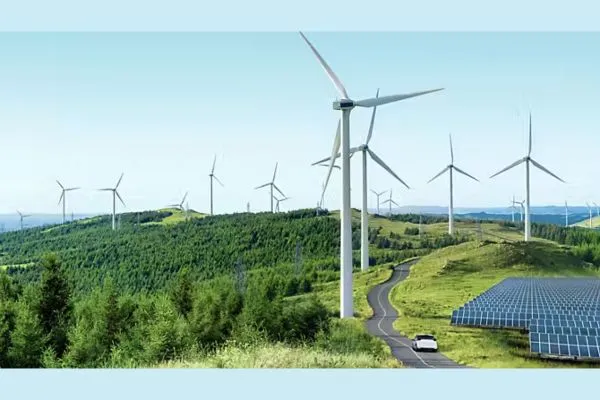
According to Apple, more than 18 gigawatts of clean electricity now supports its global operations and manufacturing supply chain. That figure represents more than triple the level recorded in 2020, underscoring the scale and pace of the company's clean energy buildout over the past few years. The momentum extends well into its supplier network as well. More than 320 suppliers, collectively accounting for 95 percent of Apple's direct manufacturing spending, have now committed to powering Apple-related operations entirely with renewable electricity.
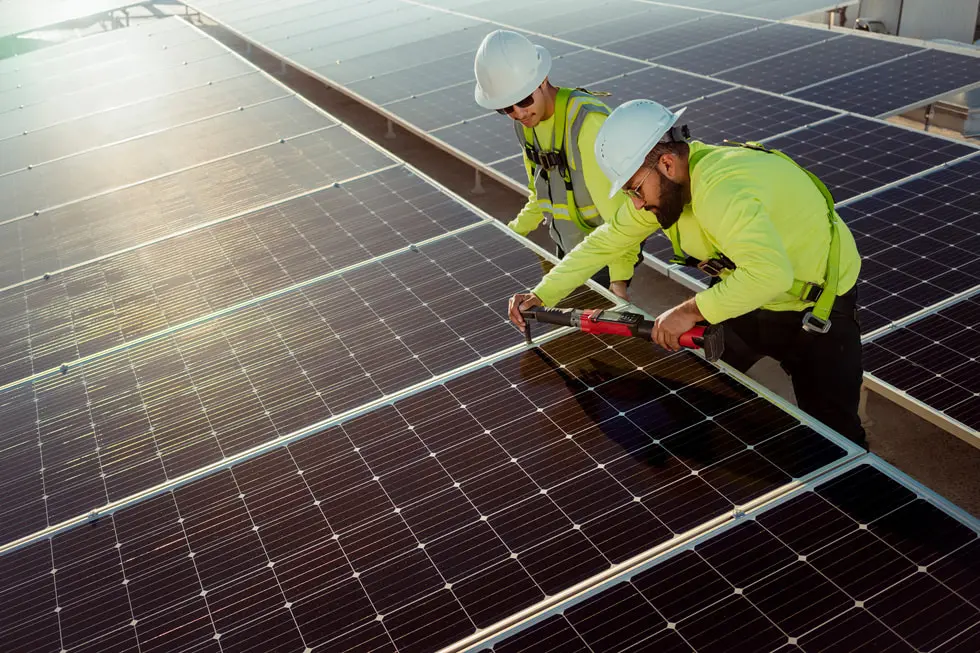
India has taken on a particularly prominent role in Apple's sustainability push. The company announced it has entered a joint venture with CleanMax, a renewable energy developer, to invest in six rooftop solar projects across the country. The projects have a combined capacity of 14.4 megawatts and are designed to support Apple's offices, retail stores, and broader operational footprint in India. The CleanMax partnership reflects Apple's approach of working with local energy developers to build infrastructure that aligns with both its environmental commitments and its expanding business presence in the region.
Water sustainability has also become a defining pillar of Apple's India strategy. The company highlighted work it has done in the states of Telangana and Maharashtra, where it has partnered with organizations including the Uptime Catalyst Facility to drive meaningful water conservation outcomes. Apple said it has met its target of replenishing 100 percent of the freshwater used in its corporate operations in India, a milestone it achieved through these regional partnerships.
Conference
Conference
In 2023 alone, the program helped deliver 23 million gallons of clean drinking water through a network of more than 300 community water kiosks, each operated by local entrepreneurs. The initiative speaks to Apple's effort to tie environmental impact to tangible community benefits on the ground.
The renewable energy investments are not limited to India. Apple also announced new solar projects in Michigan and Spain, expanding a portfolio that already spans multiple continents. Across its supply chain, renewable energy projects generated more than 25.5 million megawatt-hours of clean electricity last year. That output helped the company avoid more than 18.5 million metric tons of carbon emissions, a figure that illustrates the cumulative environmental benefit of its supplier-focused clean energy strategy.
The timing of these announcements is notable. Apple has been steadily expanding its manufacturing operations in India as part of a broader effort to diversify its supply chain away from its historical dependence on China. Suppliers including Foxconn and the Tata Group have been scaling up iPhone manufacturing capacity in India, and industry observers have increasingly drawn a direct line between that production growth and the parallel expansion of Apple's sustainability investments in the country. As more manufacturing activity shifts to India, Apple appears to be ensuring that its environmental commitments keep pace with its operational footprint.
Lisa Jackson, Apple's vice president of Environment, Policy and Social Initiatives, framed the investments in terms of both community impact and business responsibility. She said renewable energy and water stewardship are foundational to healthy communities and essential building blocks for a responsible business, signaling that Apple views these initiatives not as peripheral corporate social responsibility efforts but as core elements of its long-term operating model.
For the broader supply chain industry, Apple's approach offers a model worth watching. By tying supplier commitments to renewable energy adoption, investing in local water infrastructure, and integrating sustainability metrics into its manufacturing partnerships, the company is demonstrating that large-scale environmental goals can be pursued alongside, rather than in tension with, operational growth and supply chain expansion.
Explore the latest edition of Journal of Supply Chain Magazine and be part of the JOSC News Bulletin.
Discover all our upcoming events and secure your tickets today.
Journal of Supply Chain is a Hansi Bakis Media brand.
Subscribe to our Daily Newsletter
Subscribe For FreeBy continuing you agree to our Privacy Policy & Terms & Conditions