SAEL Industries Breaks Ground on 5 GW Solar Manufacturing Plant in Uttar Pradesht
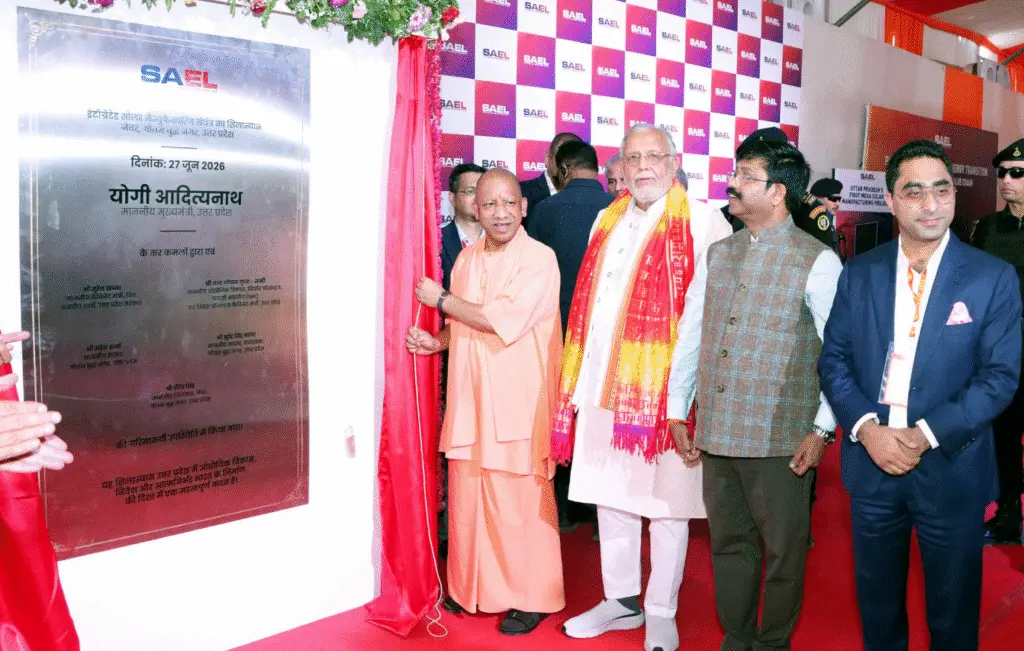
SAEL Industries has kicked off construction of a large-scale integrated solar manufacturing facility in Jewar, Uttar Pradesh, marking a significant milestone in India's push toward energy self-reliance. The project is being developed through its wholly owned subsidiary, SAEL Solar P6 Pvt. Ltd. (SSP6PL), and will house 5 GW of solar cell manufacturing capacity alongside 5 GW of solar module manufacturing capacity under one roof. Uttar Pradesh Chief Minister Yogi Adityanath laid the foundation stone at Sector 8 of the Yamuna Expressway Industrial Development Authority (YEIDA) in Gautam Buddha Nagar. Spanning nearly 200 acres, the complex is poised to cement the state's growing reputation as a destination for renewable energy manufacturing. The facility will specialize in high-efficiency TOPCon solar cells and modules, a next-generation technology recognized for its superior energy conversion rates and improved power output compared to conventional alternatives.