News
Komaki Opens Second Lithium Battery Plant in Gurugram with ₹30 Crore Investment
 Our Correspondent,
Our Correspondent,
Our Correspondent,
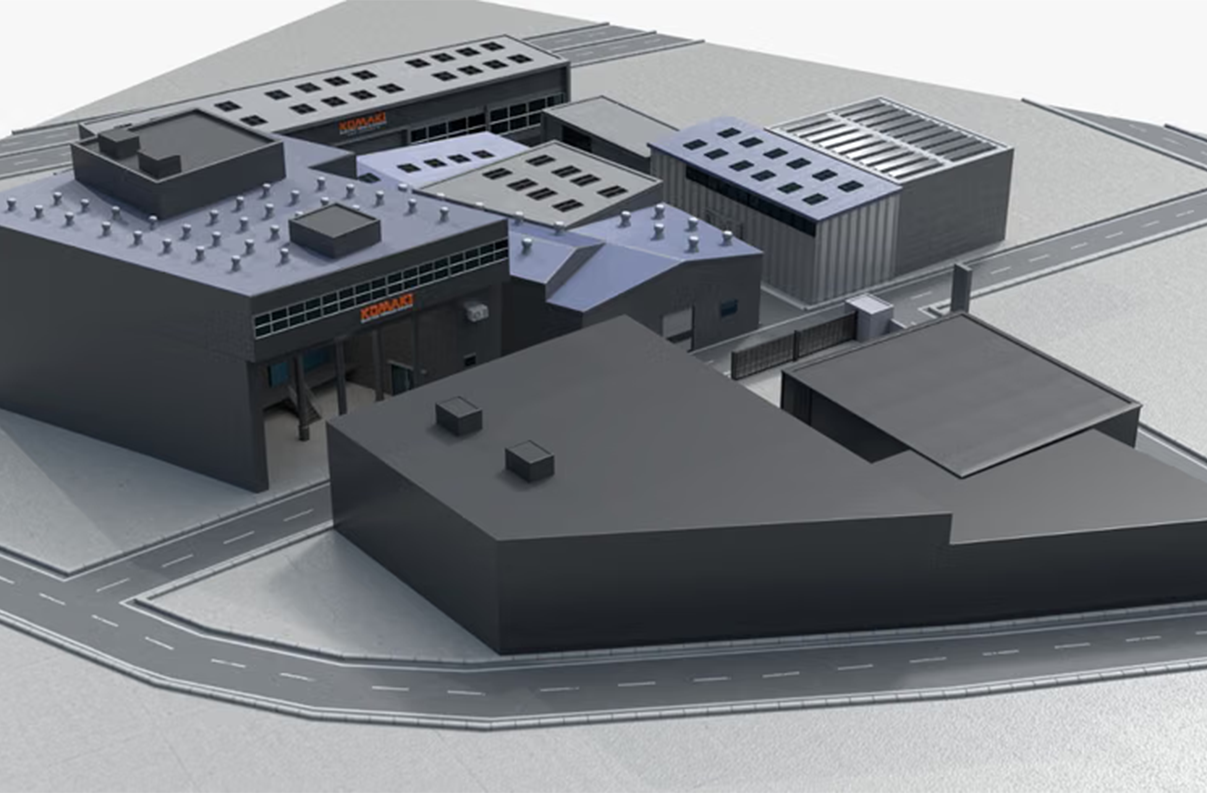
Komaki Electric Vehicles has taken a major leap forward in expanding its manufacturing footprint with the inauguration of its second lithium battery production facility in Udyog Vihar, Gurugram. This development represents a substantial step in the company's mission to scale up electric vehicle production capabilities across India.
The newly launched manufacturing plant spans an impressive 40,000 square feet and is being recognized as one of the largest integrated electric vehicle battery manufacturing facilities in North India. Built with a capital investment of ₹30 crore, the state-of-the-art unit has been engineered to manufacture up to 10,000 lithium iron phosphate batteries every month. This production capacity translates to an annual output of 1,20,000 battery units, positioning Komaki as a significant player in the domestic EV battery manufacturing landscape.
According to company representatives, this new production facility will serve as a cornerstone in supporting Komaki's expanding electric vehicle product range while simultaneously bolstering India's domestic battery manufacturing ecosystem. The strategic facility addresses the growing demand for locally produced EV components and reduces dependence on imported battery technology.
Komaki has made a deliberate strategic choice to concentrate exclusively on LFP (Lithium Iron Phosphate) and LMFP (Lithium Manganese Iron Phosphate) battery technologies. This decision stems from the distinct advantages these chemistries offer in terms of safety parameters, durability benchmarks, and overall performance metrics. These particular battery technologies have gained recognition for their exceptional thermal stability and fire-resistant properties, which are critical safety features for electric vehicle applications.
Beyond safety, LFP and LMFP batteries are celebrated for their extended life cycles and rapid charging capabilities, characteristics that make them particularly well-suited for the diverse and often challenging operating conditions found across India. The country's varied climate zones, ranging from extreme heat to heavy monsoons, demand battery systems that can perform reliably under stress.
The battery systems manufactured at the Gurugram facility are engineered to deliver up to 2,500 charge cycles, ensuring longevity and value for end users.
Conference
Conference
To instill confidence in customers and demonstrate commitment to quality, Komaki is offering comprehensive warranty coverage—three years for LFP battery variants and five years for LMFP battery models. These warranty periods reflect the company's confidence in the durability and reliability of its manufacturing processes.
Sustainability has been woven into the very fabric of the new facility's design and operations. The plant incorporates advanced manufacturing processes specifically aimed at minimizing material wastage and maximizing resource efficiency. These environmental considerations align closely with Komaki's broader corporate sustainability objectives and India's national goals for greener manufacturing practices. By reducing waste and optimizing material use, the facility aims to lower its environmental footprint while maintaining high production standards.
Gunjan Malhotra, speaking about this milestone development, emphasized that the new manufacturing plant represents far more than just an expansion of production capacity. It symbolizes a significant stride toward establishing a truly self-reliant electric vehicle ecosystem within India. The facility embodies the company's unwavering commitment to safety standards, continuous innovation, and the promotion of indigenous manufacturing capabilities. This aligns with the national vision of Atmanirbhar Bharat, encouraging local production and reducing import dependencies in critical technology sectors.
The timing of this expansion is particularly strategic, coming at a moment when India's electric vehicle market is experiencing rapid growth. Government incentives, increasing environmental awareness, and rising fuel costs are all driving consumer interest in electric mobility solutions. By establishing robust domestic battery manufacturing capacity, Komaki is positioning itself to meet this surging demand while contributing to the broader transformation of India's automotive sector.
The Gurugram facility is expected to create employment opportunities and contribute to skill development in advanced manufacturing technologies. As the plant ramps up to full production capacity, it will require a workforce trained in battery chemistry, quality control, and precision manufacturing—skills that will enhance the region's industrial capabilities.
With this second facility now operational, Komaki Electric Vehicles has significantly enhanced its ability to support India's transition to electric mobility while establishing itself as a key contributor to the nation's growing EV manufacturing infrastructure.
Explore the latest edition of Journal of Supply Chain Magazine and be part of the JOSC News Bulletin.
Discover all our upcoming events and secure your tickets today.
Journal of Supply Chain is a Hansi Bakis Media brand.
Subscribe to our Daily Newsletter
Subscribe For FreeBy continuing you agree to our Privacy Policy & Terms & Conditions