FICCI-Kearney Report Urges India to Strengthen Port Connectivity and Logistics by 2030t
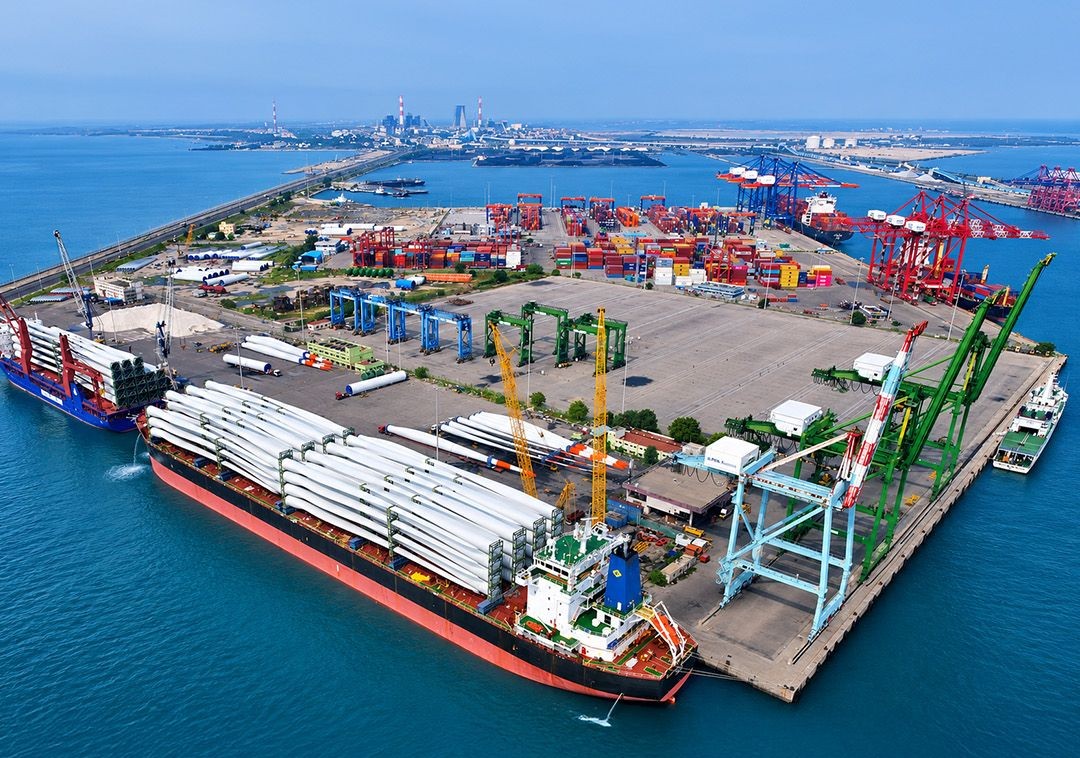
MUMBAI: India's ports have recorded steady growth in cargo handling and operational efficiency over the past decade. However, weaknesses in inland connectivity, logistics coordination and shipping services could prevent the country from fully benefiting from this progress, according to a report released by FICCI and Kearney in Mumbai. Titled India's Maritime Agenda for 2030: From Efficient Ports to Globally Connected Trade Gateways, the report highlights that the next stage of maritime development will depend on more than expanding port infrastructure. Shipping services, inland transport links, logistics networks and industrial connections will play an equally important role in linking ports with domestic and international markets. The report recommends that the government and industry adopt separate development strategies for four types of maritime gateways by 2030: container gateways, transshipment hubs, industrial and energy gateways, and specialised export corridors. The recommendations build on the progress made by India's port sector over the past decade. Cargo handled at major and non-major ports increased by 38 per cent between FY2017-18 and FY2025-26, rising from 1,209 million tonnes to 1,668 million tonnes. During the same period, total handling capacity grew by 22 per cent to 2.8 billion tonnes annually. Capacity utilisation also improved from 52 per cent to 59 per cent, indicating that the system still has room for further growth. Operational performance has improved as well. Average vessel turnaround time at major ports declined by 18 per cent to around 49 hours. Jawaharlal Nehru Port Authority (JNPA), Pipavav and Mundra also feature among the world's top 30 ports in the World Bank's Container Port Performance Index 2025. However, the report points out that some of the biggest bottlenecks now occur beyond the port's immediate operations. Data from the 2025 National Time Release Study covering four major seaports shows that export approval took an average of around 30 hours. The period between approval and vessel departure, however, extended to approximately 158 hours, accounting for 84 per cent of the total measured time. At Jawaharlal Nehru Custom House, export customs clearance averaged 2 hours and 12 minutes in 2026, while the complete export cycle took more than eight days. The report clarifies that this period includes logistics activity and scheduled waiting, not just unnecessary delays. Nevertheless, the findings underline the importance of better coordination across the export process.