News
Modi Urges Restrained Use of Petro Products Amid West Asia Crisis, Unveils ₹7,400 Crore Projects in Telangana
 Our Correspondent,
Our Correspondent,
Our Correspondent,
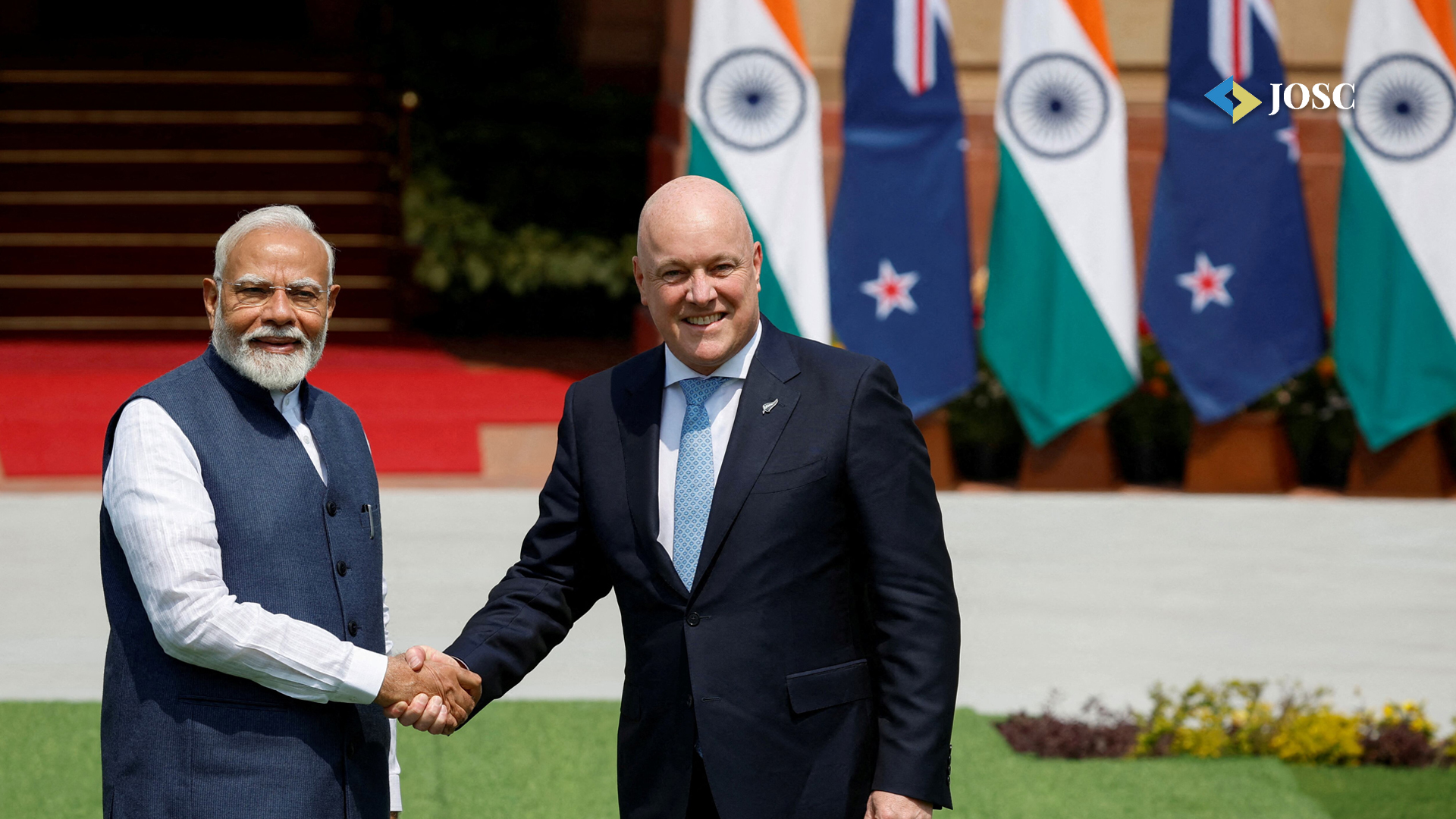
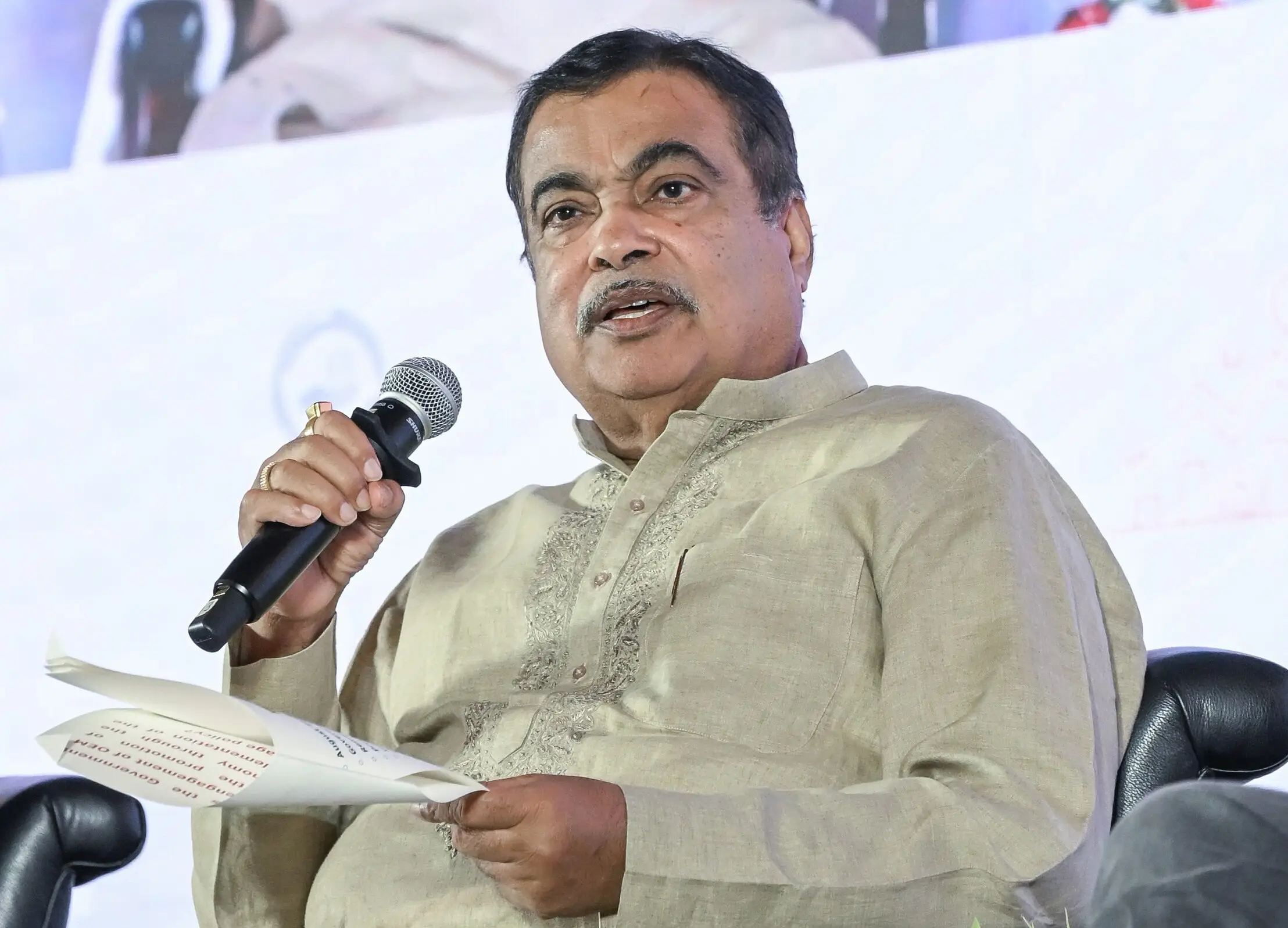
Prime Minister Narendra Modi on Sunday called on Indians to use petroleum products with greater restraint in the face of the ongoing West Asia crisis, warning that unchecked consumption of imported fuels could drain the country's foreign exchange reserves and deepen the economic fallout from the conflict.
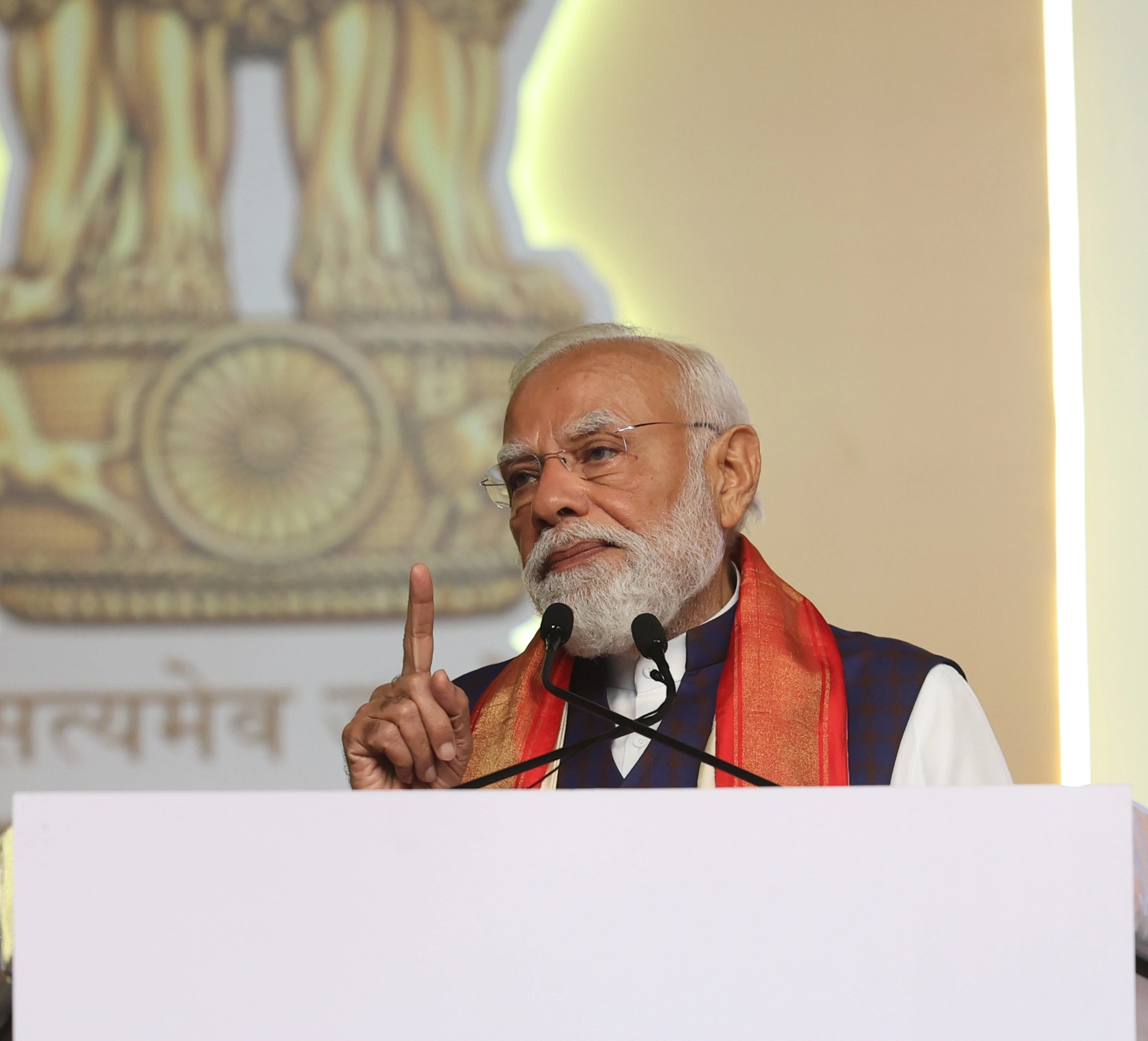
Addressing a high-profile event in Hyderabad, where he virtually laid the foundation stone and inaugurated a series of development projects worth approximately ₹7,400 crore across Telangana, Modi underscored the urgency of the moment. He stressed that imported petro products including petrol, diesel, and gas should be consumed only as per genuine need, a disciplined approach that he argued would simultaneously protect India's foreign exchange and blunt the adverse economic consequences of global conflict.
"Today, the need of the hour is also to use petrol, gas, diesel and such things with great restraint. We have to use imported petro products only as per need. This will not only save foreign exchange but reduce the adverse impact of war," Modi said during his address.
The Prime Minister took the opportunity to highlight the significant strides India has made in building energy self-reliance over the past several years. He noted that India has risen to rank among the world's top nations in solar power generation, a milestone he described as reflecting unprecedented commitment to clean and renewable energy. He also pointed to major achievements in ethanol blending in petrol as part of the country's broader energy transition strategy.
Beyond renewables, Modi outlined the government's multi-pronged approach to reducing dependence on imported fossil fuels. He noted that the government had initially focused on achieving 100 per cent LPG coverage across households and has now shifted its attention to the economical supply of piped natural gas at the doorstep of Indian families.
Conference
Conference
Simultaneously, the government is actively promoting the expansion of CNG-based transportation systems as a cleaner and more affordable alternative to conventional fuels.
"Due to all these efforts, India is effectively dealing with the major energy crisis gripping the world," Modi asserted, framing India's energy policy as a proactive shield against global volatility.
On the infrastructure front, the Prime Minister painted an ambitious picture of a nation charging ahead on the rails of reform and modern development. He promised every family in Telangana that the Centre would continue to work with greater speed and dedication to fulfill their aspirations and dreams.
The event, held at the Hyderabad International Convention Centre (HICC), was attended by Telangana Governor Shiv Pratap Shukla, Chief Minister A Revanth Reddy, Union Ministers G Kishan Reddy and Bandi Sanjay Kumar, along with several other senior political leaders.
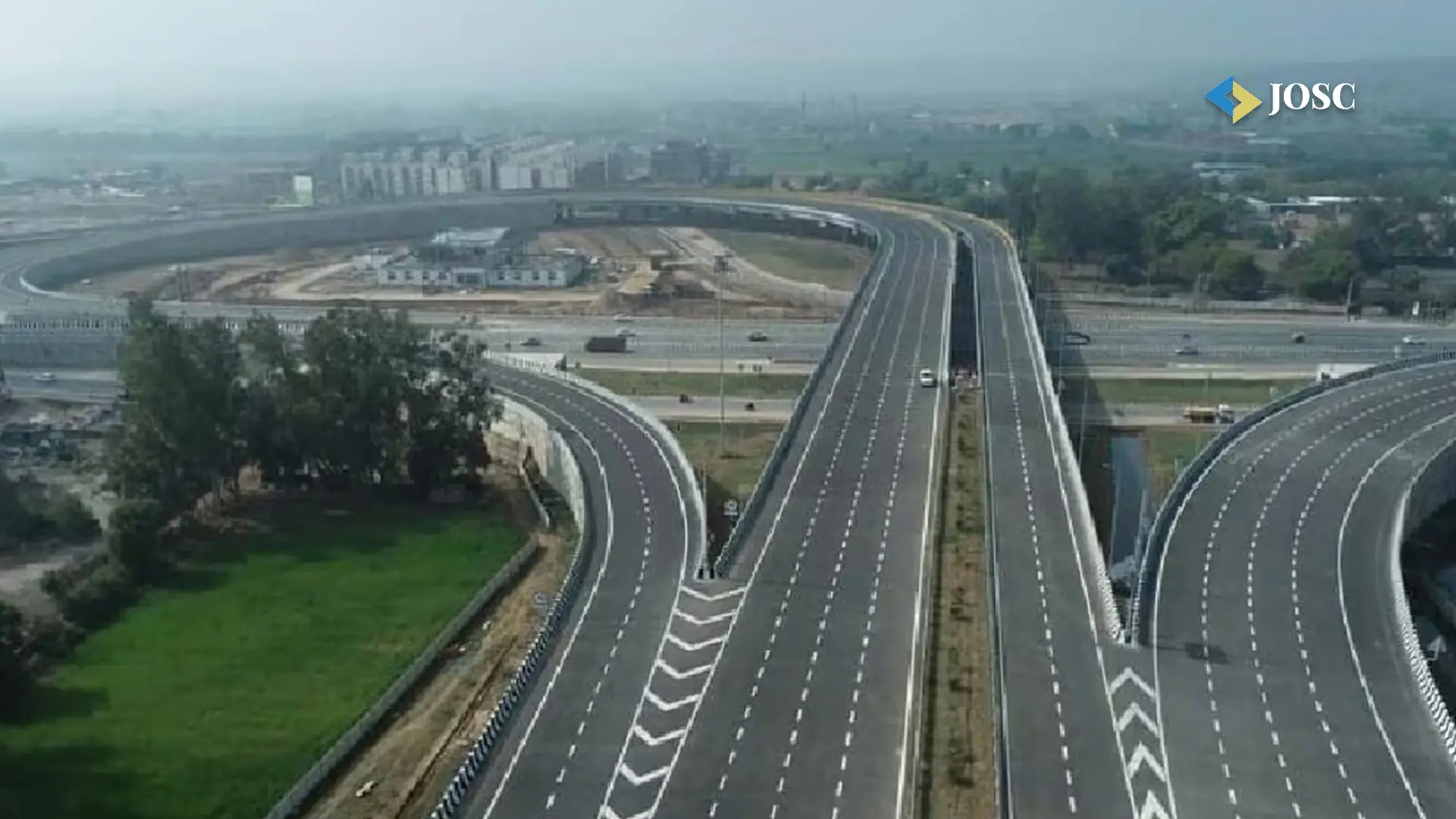
Among the key projects launched, Modi laid the foundation stone for the four-laning of National Highway-167 stretching from Gudebellur to Mahabubnagar along the Hyderabad-Panaji Economic Corridor, a critical route that will ease connectivity and boost regional trade. He also laid the foundation for the Zaheerabad Industrial Area in Sangareddy district, expected to catalyze manufacturing growth in the region.
On the inaugurations side, Modi formally opened several sections of the Kazipet-Vijayawada multi-tracking railway project, a move that will significantly enhance freight and passenger rail capacity in the region. He also inaugurated a Greenfield POL (Petroleum, Oil, Lubricants) Terminal in Hyderabad, the Kazipet Rail Under Rail Bypass, and the much-anticipated PM MITRA Park at Warangal, officially known as the Kakatiya Mega Textile Park.
The Kakatiya Mega Textile Park holds particular national significance it is India's first fully functional PM MITRA Park, developed at an estimated cost of several hundred crore rupees. The park is designed to operationalize the Centre's flagship 5F vision: Farm to Fibre to Factory to Fashion to Foreign. This integrated model is intended to create a seamless value chain from raw cotton cultivation all the way through to export-ready fashion products, positioning India as a global hub in the textile supply chain.
The launch of these projects reflects the Central government's continued commitment to building world-class infrastructure, strengthening industrial ecosystems, and driving economic growth across Indian states, even as it navigates complex global headwinds including energy price volatility and geopolitical uncertainty.
Explore the latest edition of Journal of Supply Chain Magazine and be part of the JOSC News Bulletin.
Discover all our upcoming events and secure your tickets today.
Journal of Supply Chain is a Hansi Bakis Media brand.
Subscribe to our Daily Newsletter
Subscribe For FreeBy continuing you agree to our Privacy Policy & Terms & Conditions