News
India's Logistics Costs Set to Fall to 9% as Road Infrastructure Expands Rapidly
 Our Correspondent,
Our Correspondent,
Our Correspondent,
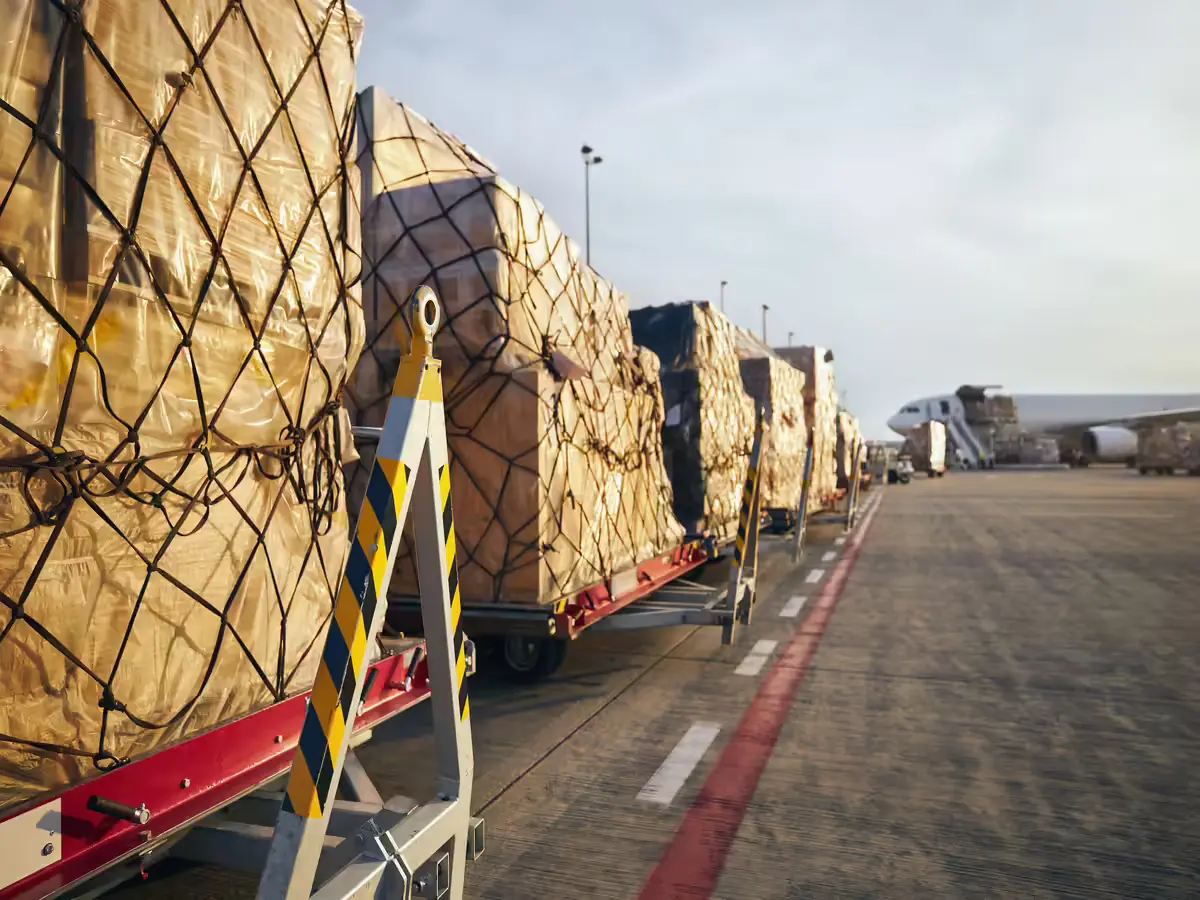
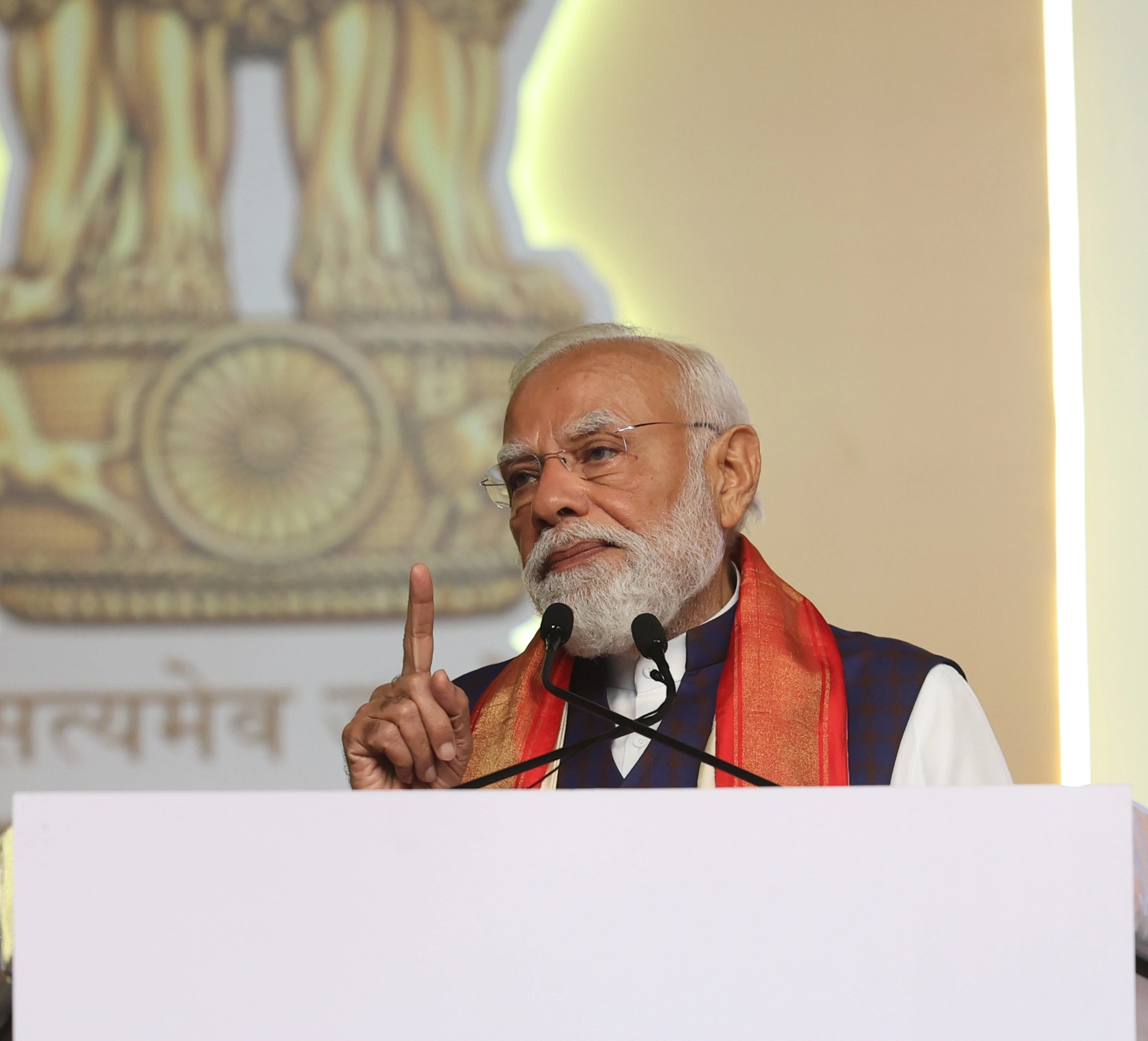
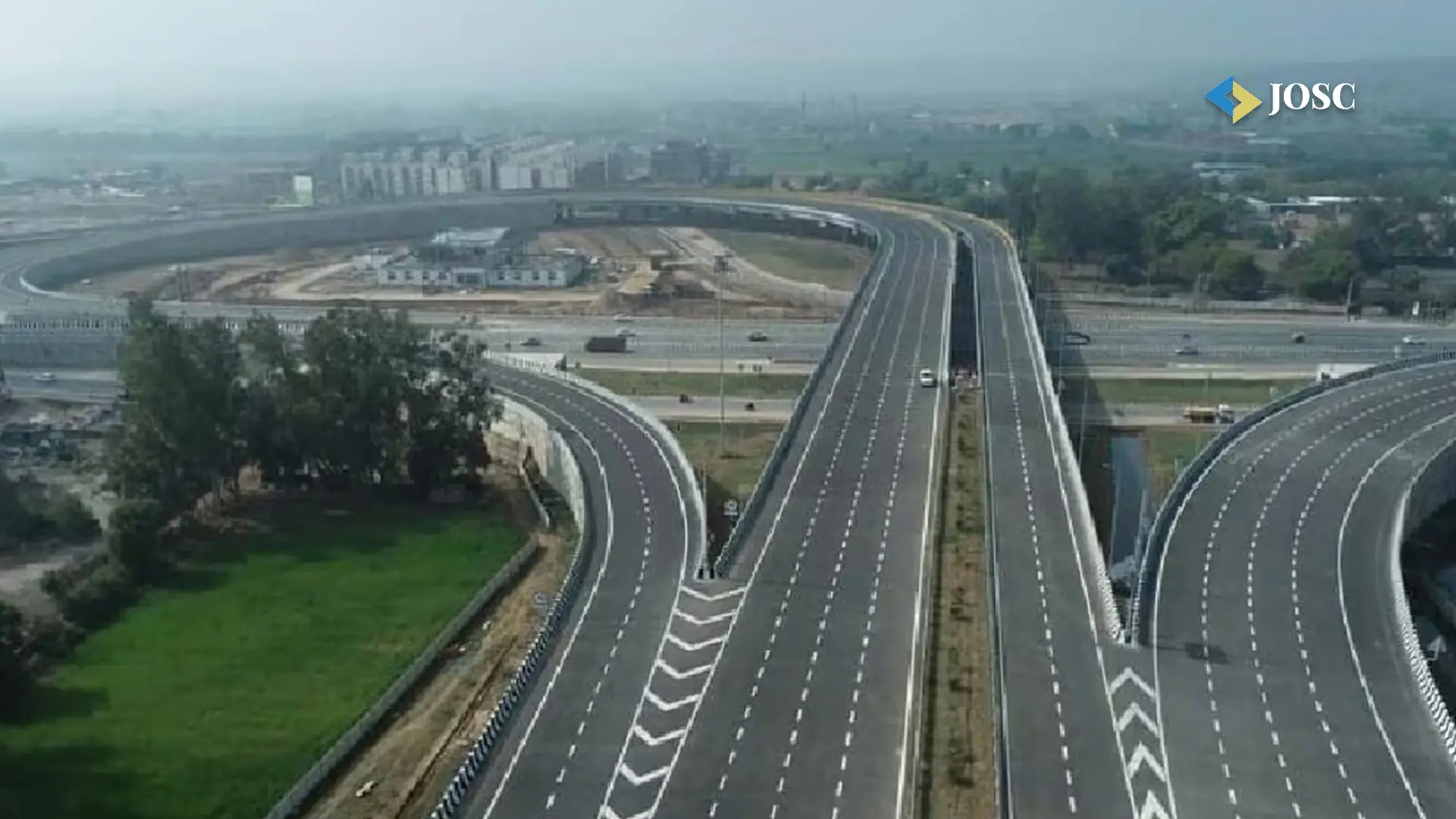
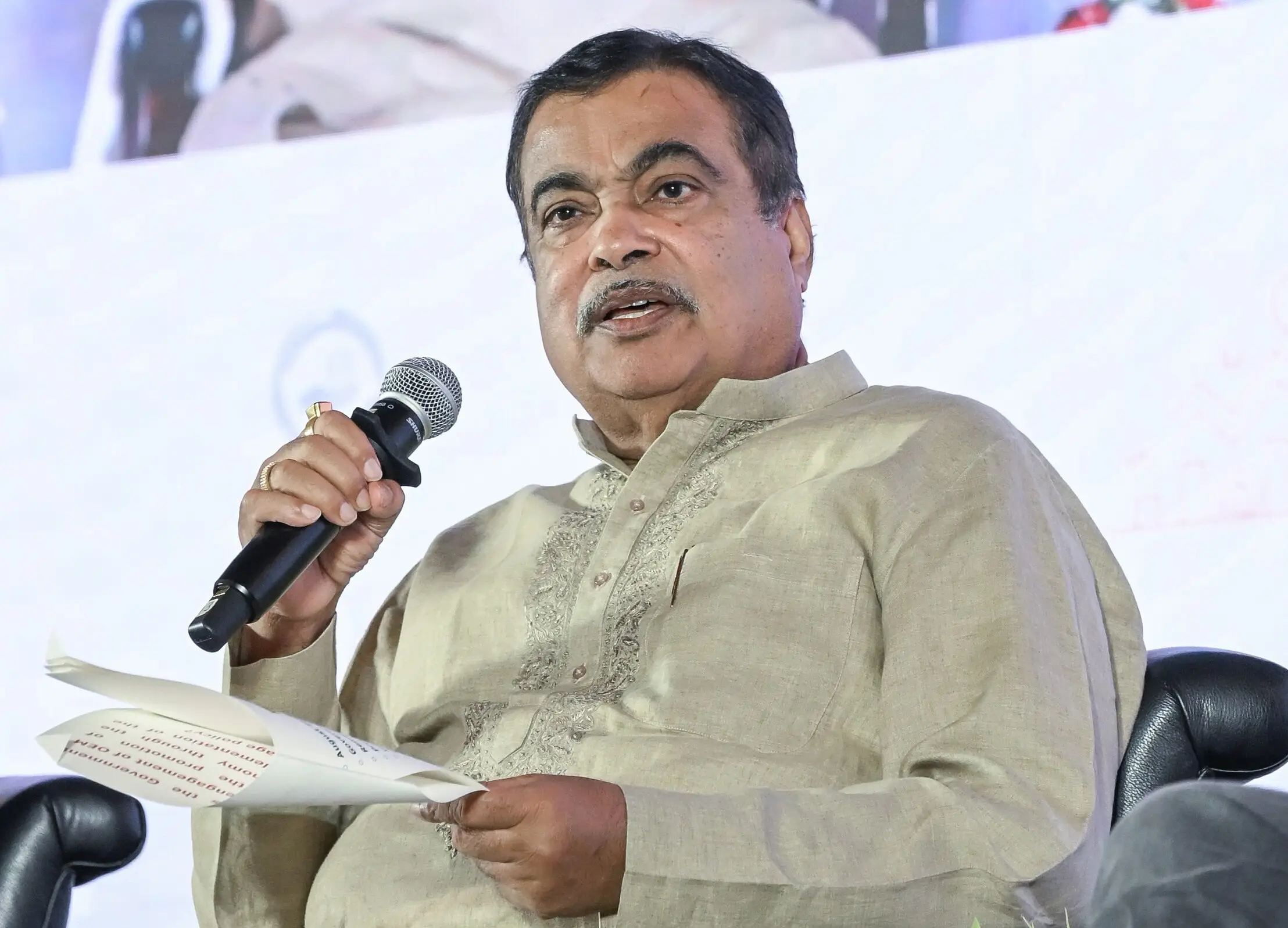
New Delhi: Union Minister of Road Transport and Highways Nitin Gadkari has expressed strong confidence that India's logistics costs will decline to 9 per cent of GDP, driven by the country's accelerating pace of road infrastructure development.
Speaking at the 57th EEPC India National Awards for top engineering exporters, Gadkari cited recent research conducted by IIT Bangalore, IIT Kanpur, and IIT Chennai. The studies, completed approximately six months ago, found that road infrastructure improvements have already succeeded in reducing logistics costs by around 6 per cent, bringing them down to roughly 10 per cent of GDP.
"Earlier, logistics costs in India were as high as 16 per cent of GDP, compared to around 18 per cent in China and about 12 per cent in America and Europe," the minister said, underlining just how significant the progress has been over recent years.
Gadkari used the occasion to stress that infrastructure development, technological innovation, and sustainable practices are not optional extras — they are central pillars for boosting India's export competitiveness. He pointed out that engineering exports play a vital role in generating foreign exchange earnings, creating jobs, and driving broader industrial growth across the country.
On the infrastructure front, the minister revealed that 36 green express highways are currently under development. He said these corridors would fundamentally transform the logistics cost landscape, making the movement of goods faster, cheaper, and more environmentally responsible.
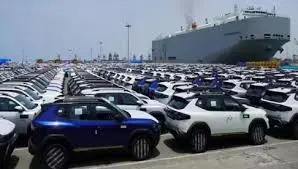
Gadkari also highlighted the impressive growth trajectory of India's automotive sector. He noted that the two-wheeler industry is already exporting close to 50 per cent of its total production — a remarkable milestone that signals the sector's global competitiveness.
The minister further shared that global automotive giants are now eyeing India not just as a market, but as a manufacturing and export base. "Now, all the famous brands of the world, from Mercedes to all the big people, are present in India and are looking to export their cars from here," he said.
Conference
Conference
He recalled a conversation with the chairman of Mercedes-Benz during the launch of an electric vehicle around six to eight months ago, during which the chairman confirmed that the company has committed to transitioning to 100 per cent electric vehicles and has chosen India as its manufacturing centre.
India's automotive industry has also crossed a landmark global milestone. Gadkari noted that the Indian auto sector surpassed Japan approximately six to eight months ago, now ranking third in the world. India's auto industry, valued at approximately Rs 22 lakh crore, trails only the United States at Rs 79 lakh crore and China at Rs 49 lakh crore.
Looking further ahead, Gadkari expressed an ambitious five-year vision to make India the world's number one automotive and alternative fuel economy. "I am confident that because of new technology, innovation, and research in alternative fuel and biofuel, the sky is the limit. The way our industry is marching towards alternative fuel and biofuel, we are going to be number one in the world," he said.
The minister also urged the industry to accelerate adoption of electric trucks for transporting goods from factories to ports, emphasising the dual benefit of reducing logistics costs and cutting carbon emissions. He underscored that the shift toward alternative fuels and biofuels is not just an environmental imperative but a strategic economic opportunity for India.
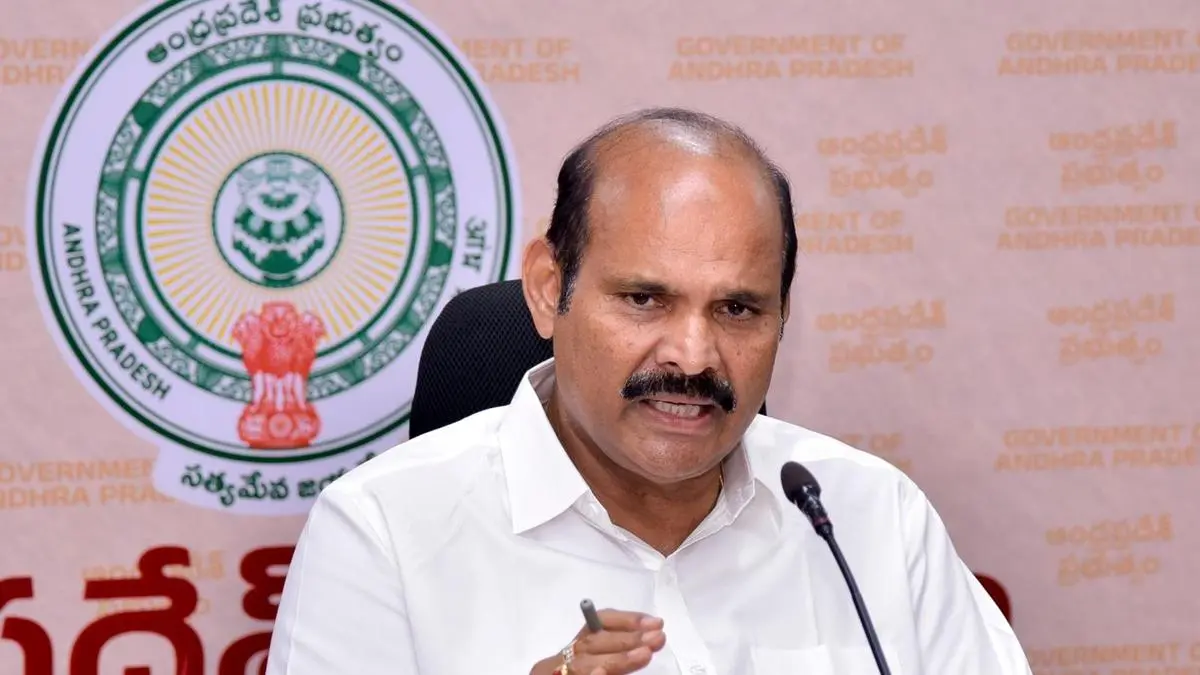
The EEPC India event also featured remarks from Pankaj Chadha, Chairman of EEPC India, who praised the resilience and adaptability of Indian engineering exporters. Chadha highlighted how the sector has navigated a range of external disruptions, including the ongoing West Asia conflict and significant trade disruptions on key global sea routes.
Despite these headwinds, India's total engineering goods exports reached an all-time high of $122.43 billion in FY26, reflecting a year-on-year growth of 4.86 per cent. This record-breaking performance underscores the strength of India's engineering sector and its growing stature in global trade, even amid a challenging and volatile international environment.
Explore the latest edition of Journal of Supply Chain Magazine and be part of the JOSC News Bulletin.
Discover all our upcoming events and secure your tickets today.
Journal of Supply Chain is a Hansi Bakis Media brand.
Subscribe to our Daily Newsletter
Subscribe For FreeBy continuing you agree to our Privacy Policy & Terms & Conditions