News

Samsung India Enters New Phase as Manufacturing, R&D and Exports Drive Electronics Growth

October 07, 2026 4 min read
author Hiral, Sub Editor

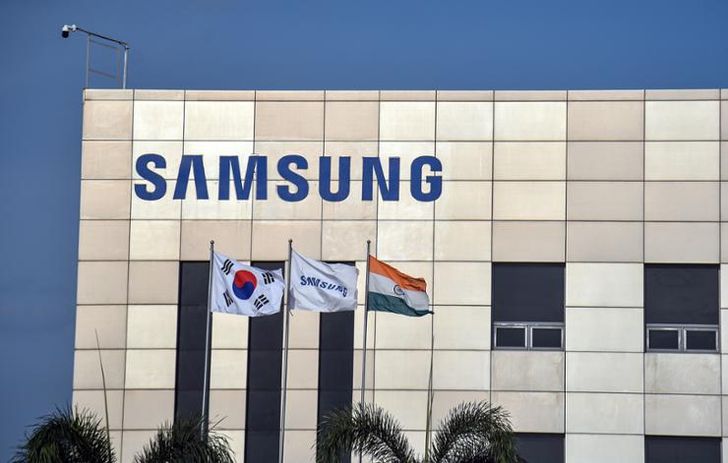
Samsung says its India operations have evolved over the past 30 years from a manufacturing base into a broader innovation and export hub. The company is increasingly relying on Indian engineers, R&D centres and a growing local patent portfolio while also exploring ways to deepen component localisation.

The shift comes as India works to build a stronger electronics ecosystem, bringing manufacturing, product design and supply chains closer together.
Samsung's India story is no longer limited to assembly lines. Three decades after entering the country, the South Korean electronics major says its local operations have grown into a wider innovation platform, with Indian engineers contributing to product development, a growing patent pipeline and an expanding manufacturing footprint.

The change comes at a time when India is seeking to move higher up the electronics value chain, evolving from a production destination into a design and technology hub. Samsung Southwest Asia president and chief executive officer JB Park said the company entered India in 1995 with a long-term perspective, arguing that the opportunity extended well beyond the country's large consumer market.

From market entry to technology creation

Park described Samsung's India journey as a shift from bringing products into the country to developing technology with local talent. The company now says Indian engineers are playing a role in global technology development, showing that India is increasingly being viewed not just as a sales market but also as a source of product and process innovation.

Samsung has also continued to invest in skilling and innovation programmes across India, reflecting a broader challenge for the electronics industry: manufacturing capacity by itself is no longer enough. For companies competing in smartphones and connected devices, the ability to develop, adapt and design products quickly is becoming as important as production scale.


Manufacturing footprint expands beyond the domestic market

Samsung entered India in 1995 and currently operates manufacturing facilities in Noida and Chennai, along with three research and development centres and a design hub. The company says it has filed more than 14,000 patents in India, highlighting the country's growing importance to its technology pipeline.

Its Noida facility, one of the world's largest smartphone manufacturing plants, has also emerged as a significant export base. This gives India a role in Samsung's global supply chain that extends beyond meeting domestic demand. The Chennai facility, meanwhile, supports wider production requirements and adds further strength to the company's manufacturing network in the country.

Why the component ecosystem matters now

The next stage of Samsung's India strategy appears to be focused not only on increasing production capacity but also on strengthening the supporting ecosystem. The company said it is exploring opportunities to expand its local component network, an important move as India seeks to reduce dependence on imported inputs and increase domestic value addition in electronics manufacturing.

The effort fits into a broader policy and industry push to localise supply chains, reduce import exposure and develop greater domestic capabilities across the electronics sector. For a manufacturer of Samsung's scale, a stronger component ecosystem could improve cost efficiency, reduce lead times and make its Indian operations more competitive as an export base.

The broader takeaway is that India is increasingly emerging as a strategic part of the global electronics industry rather than simply a production location. As Samsung expands its manufacturing, R&D and design capabilities, the country's role within the company's operations is moving closer to that of a technology and innovation partner.

For India, the bigger question is what follows the next wave of factory investment. Jobs, exports and manufacturing capacity remain important, but the real test will be whether multinational companies can help develop an ecosystem where design, engineering and component manufacturing grow together. Samsung's latest assessment indicates that at least one major global electronics company now sees this transition as a key part of its long-term India strategy.


Explore the latest edition of Journal of Supply Chain Magazine and be part of the JOSC News Bulletin.

Discover all our upcoming events and secure your tickets today.


Journal of Supply Chain is a Hansi Bakis Media brand.

Leave Comment

logo

Subscribe to Our Newsletter

The week’s best stories, handpicked by JOSC editors in your inbox every week.

Stay informed with exclusive content