News
India Expands Energy Import Network to 41 Countries, Strengthening Supply Chain Resilience
 Our Correspondent,
Our Correspondent,
Our Correspondent,
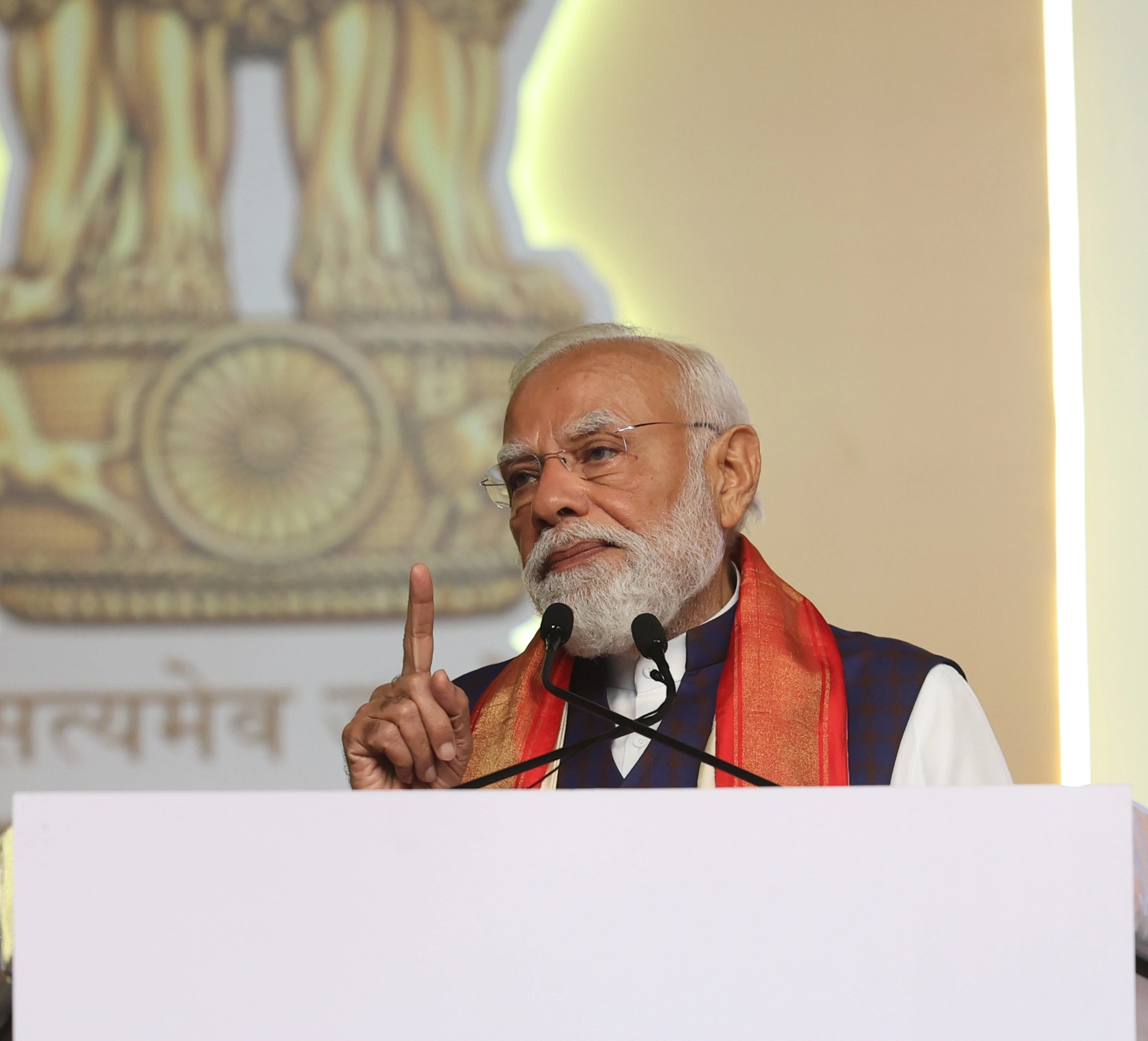
New Delhi, March 23, 2026: In a significant development for India's energy security framework, Prime Minister Narendra Modi announced on Monday that the country has substantially bolstered its energy infrastructure by diversifying import channels and expanding its procurement network from 27 to 41 nations.
Addressing members of the Lok Sabha during the current Budget Session, PM Modi highlighted how India's strategic approach to energy procurement has evolved to create a more robust and dependable supply chain. The expansion reflects years of sustained diplomatic and commercial efforts aimed at reducing vulnerability to supply disruptions from any single region or group of countries.
The Prime Minister detailed that India has strategically secured supplies of crude oil, liquefied petroleum gas (LPG), and natural gas to ensure continuous availability of these essential fuels throughout the nation. This diversification strategy is designed to protect India against potential supply shocks that could arise from geopolitical instability or concentration risk.
PM Modi emphasized that the government maintains vigilant oversight of evolving geopolitical situations, particularly the ongoing tensions in West Asia, which remains a critical region for global energy markets. He assured Parliament that India's approach is proactive rather than reactive, with comprehensive monitoring systems in place to anticipate and respond to potential threats to the country's energy and broader economic interests.
The Prime Minister also noted that Indian diplomatic missions stationed abroad are playing an active role in this security framework. These missions are tasked with ensuring the safety and well-being of Indian nationals living in or traveling through affected regions, while simultaneously maintaining open channels of diplomatic communication with governments in areas experiencing instability.
Government officials elaborated on the multi-pronged strategy being implemented to minimize supply chain vulnerabilities. Beyond diversifying source countries, India has also worked to diversify shipping routes and maritime corridors to reduce dependency on potentially volatile transit points. Additionally, the country has significantly strengthened its strategic petroleum reserves, creating substantial buffer capacity to weather short-term supply disruptions.
The Prime Minister outlined that India's energy planning framework is fundamentally oriented toward long-term stability rather than short-term fixes. This includes a renewed focus on boosting domestic energy production capabilities across various sectors, as well as accelerating investments in alternative and renewable energy sources to gradually reduce overall import dependency.
Addressing concerns about power availability, PM Modi provided reassurance that India maintains sufficient coal stockpiles across the country. He stated categorically that despite prevailing global uncertainties and market volatility, no disruptions to power supply are anticipated in the foreseeable future.
The Prime Minister issued a strong warning against the spread of misinformation regarding energy availability and pricing.
Conference
Conference
Conference
Conference
Conference
Conference
Summit
He also cautioned against black market activities and opportunistic hoarding that could artificially inflate prices or create artificial scarcity. PM Modi called upon state governments to take decisive and strict action against individuals and entities engaging in hoarding practices or implementing unfair pricing mechanisms that exploit consumer anxiety.
Reiterating the government's commitment to protecting key stakeholder groups, the Prime Minister assured that measures are in place to shield farmers, consumers, and industrial sectors from adverse impacts stemming from global energy market volatility. He emphasized that the government views energy security not merely as a supply issue but as a comprehensive challenge that affects agricultural productivity, household budgets, and industrial competitiveness.
This parliamentary address comes at a time when global energy markets continue to experience significant turbulence. Multiple factors, including geopolitical conflicts, production decisions by major oil-producing nations, and shifting demand patterns in the post-pandemic global economy, have created an environment of heightened uncertainty.
For India, which remains one of the world's largest energy importers and a rapidly growing economy, balancing multiple objectives has become increasingly complex. The government must simultaneously pursue economic growth targets, control inflationary pressures that disproportionately affect vulnerable populations, and ensure energy security—all within a challenging and unpredictable international landscape.
The expansion from 27 to 41 source countries represents a fundamental shift in India's energy procurement philosophy. Rather than relying heavily on traditional suppliers, India has actively cultivated relationships with a broader spectrum of energy-producing nations across different continents. This geographic and political diversification provides greater flexibility in negotiations and reduces the risk of supply leverage being exercised by any single country or regional bloc.
Energy security experts have noted that India's approach reflects best practices in supply chain risk management, where diversification serves as a primary mitigation strategy against concentration risk. By spreading procurement across a wider base, India reduces its exposure to region-specific disruptions while also creating competitive dynamics among suppliers that can potentially result in more favorable commercial terms.
The government's emphasis on strategic petroleum reserves also aligns with international norms, where major economies maintain substantial emergency stockpiles to bridge temporary supply gaps. These reserves provide critical time for diplomatic interventions and alternative sourcing arrangements to be activated in crisis situations.
As India continues its trajectory as one of the world's fastest-growing major economies, energy demand is projected to increase substantially in coming years. Meeting this demand while maintaining price stability and supply security will require continued innovation in procurement strategies, investment in domestic production capacity, and acceleration of the transition toward cleaner energy sources that reduce long-term import dependency.
Explore the latest edition of Journal of Supply Chain Magazine and be part of the JOSC News Bulletin.
Discover all our upcoming events and secure your tickets today.
Journal of Supply Chain is a Hansi Bakis Media brand.
Subscribe to our Daily Newsletter
Subscribe For FreeBy continuing you agree to our Privacy Policy & Terms & Conditions