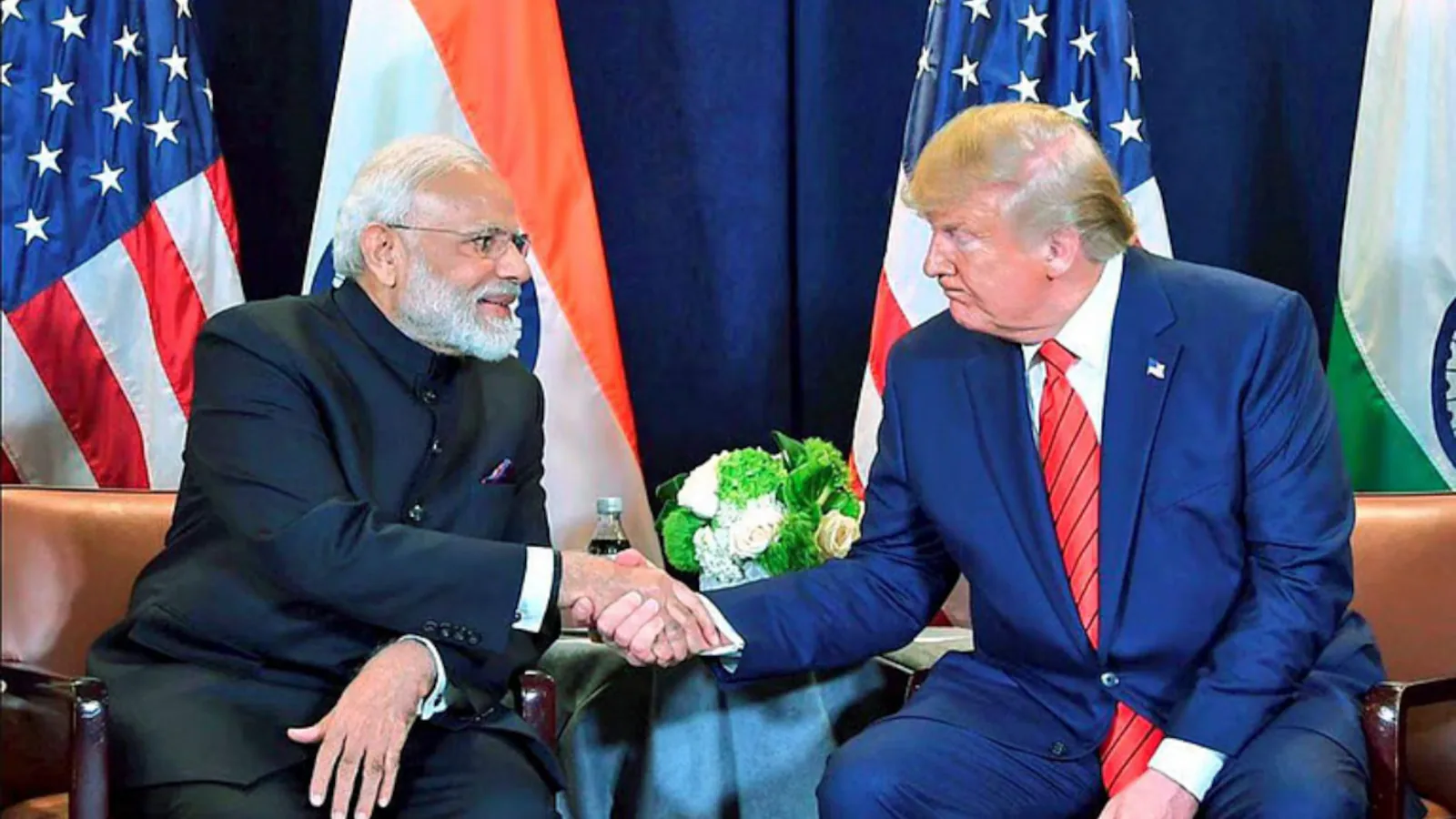
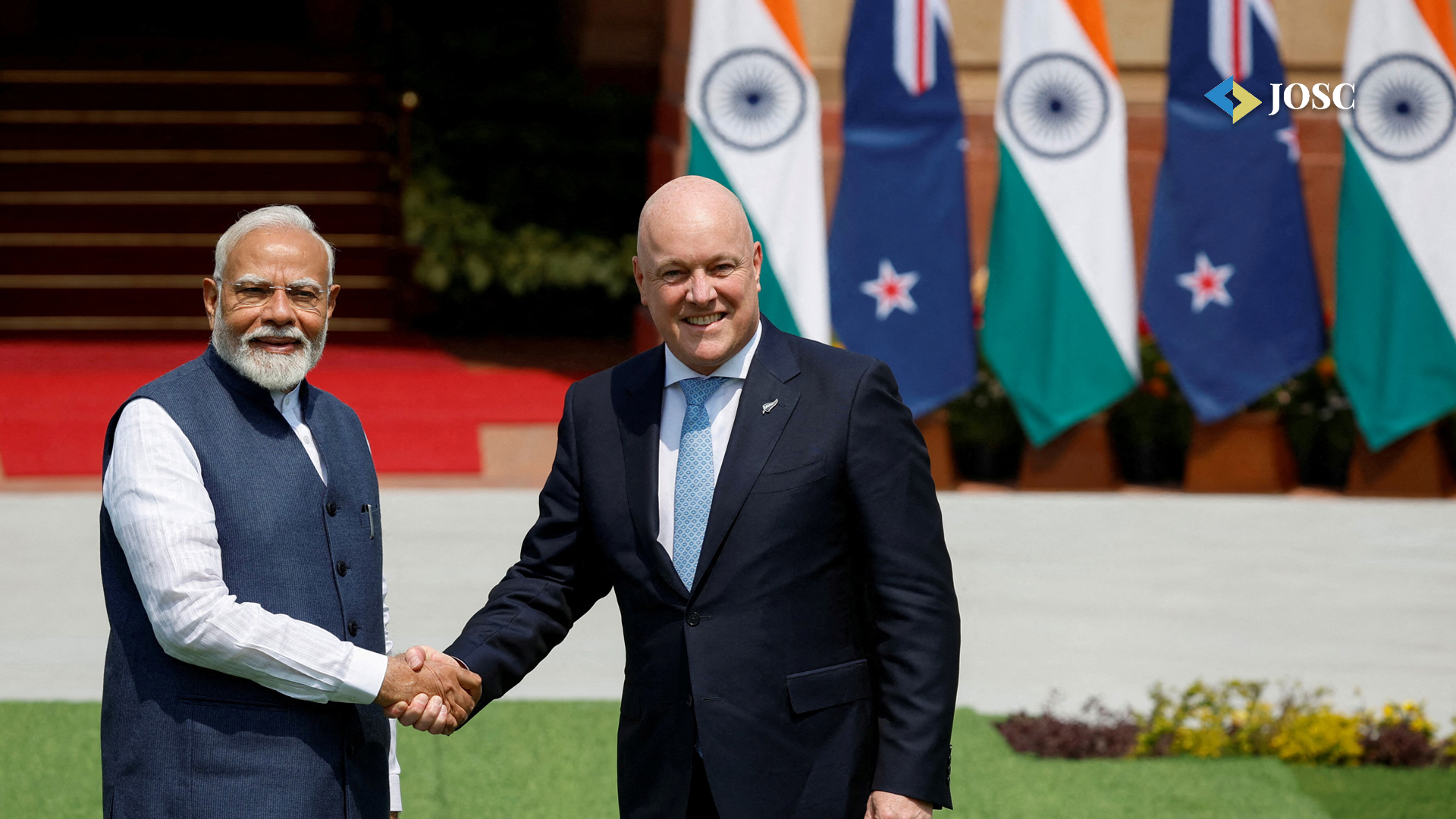
India is waiting for greater clarity on the US tariff framework, including proposed 100% tariffs on countries purchasing Russian oil and the findings of the Section 301 investigation into excess manufacturing capacity, before implementing the first phase of its bilateral trade agreement, Commerce Secretary Rajesh Agrawal said on Thursday.
Trade negotiations are moving in the right direction, and both countries are in a “very good zone”, with the aim of signing the agreement as soon as possible, he said.
“India will look at more tariff stability and trade stability as a part of the deal,” Agrawal said in response to a question about whether the issue of Russia-related sanctions would be covered under the agreement.
Commerce and Industry Minister Piyush Goyal had earlier said that the first phase of the agreement was in the final stages of defining its scope and completing legal drafting. India wants to put the arrangement into operation after securing a “comparable advantage or competitive advantage” over competing countries.
Agrawal said the agreement must provide Indian exporters with preferential access to the US market rather than simply opening the market to them. The signing will depend on Washington finalising its revised tariff structure, including the implications of the Section 301 investigations. “The deal has to be signed when the overall tariff structure is getting formalised,” he said.
Conference
Conference
India Supports US-Led Initiative on Excess Manufacturing Capacity
India has supported a US-led G20 initiative aimed at addressing structural excess manufacturing capacity. New Delhi believes that non-market policies that concentrate production in specific regions can distort international trade and create unfair competition. The development comes as Indian industries, including solar modules, steel and petrochemicals, face scrutiny under the US investigation.
“This is a G20 priority issue from the US,” Agrawal said, adding that India had consistently opposed excess capacity created by non-market forces.
“Excess capacity has to be there for trade. Trade is only about surplus, but when these capacities are driven by non-market functions, they become structural excess capacity,” he said.
India-Mexico PTA Terms of Reference Ready for Signing
Separately, the Terms of Reference (ToR) for expanding the India-Mexico Preferential Trade Agreement have been finalised and are awaiting internal approvals. Both countries aim to sign the framework by the end of October, Agrawal said, adding that the negotiations would focus on trade in goods.
“We are in the process of internal approval… hopefully, we will be signed within this month,” he said. The ToR will establish the framework for negotiations aimed at expanding the existing preferential trade arrangement between India and Mexico.
Explore the latest edition of Journal of Supply Chain Magazine and be part of the JOSC News Bulletin.
Discover all our upcoming events and secure your tickets today.
Journal of Supply Chain is a Hansi Bakis Media brand.
Subscribe to our Daily Newsletter
Subscribe For FreeBy continuing you agree to our Privacy Policy & Terms & Conditions