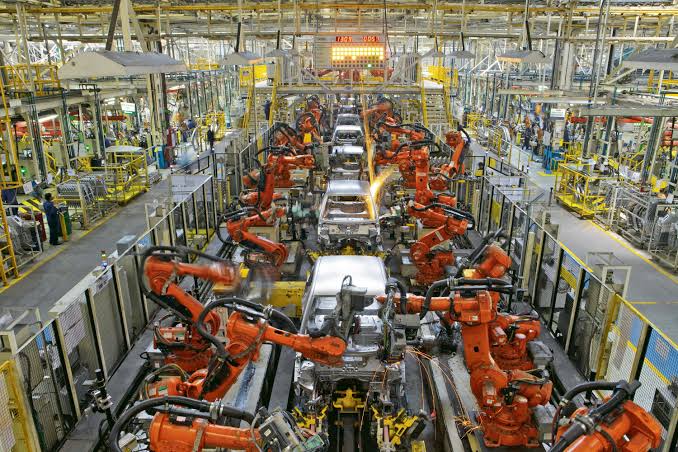
Toyota Kirloskar Auto Parts (TKAP) has invested around ₹460 crore in a new E-Drive manufacturing line at its Bidadi plant in Karnataka. The expansion will add an annual production capacity of 2,00,000 units, taking the company's total E-Drive manufacturing capacity to 3,60,000 units.
What the new E-Drive line adds at Bidadi
TKAP said the newly established production line will increase its annual E-Drive capacity by 2,00,000 units, bringing total output capacity to 3,60,000 units per year. The facility will operate alongside the existing 4th Generation E-Drive production line, which was commissioned in 2022. The latest investment marks another step in the company's efforts to expand its advanced automotive component manufacturing operations in India.
Why the E-Drive matters for Toyota's hybrid strategy
E-Drive technology plays an important role in Toyota's hybrid electric vehicle systems. According to TKAP, the new manufacturing line will produce next-generation products covered under the Advanced Automotive Technology category of the government's Production Linked Incentive scheme for automobiles and auto components.
In India, Toyota Kirloskar Motor (TKM) was among the early companies to introduce Self-Charging Hybrid Electric Vehicle technology, which combines a conventional petrol engine with an electric motor. The company claims that this technology can deliver 35 to 50 per cent better fuel efficiency while reducing carbon emissions. It also operates without requiring external charging or changes to regular driving habits.
Conference
Conference
Summit
The manufacturing and localisation case behind the investment
TKAP said the new investment will strengthen its domestic manufacturing capabilities, lower import dependence and support the increasing adoption of hybrid electric vehicles in India. Tabrez Ahmed, Managing Director, TKAP, said expanding local production would help develop the supplier ecosystem while creating opportunities for a skilled workforce.
He highlighted that manufacturing E-Drive systems involves advanced production processes, strict quality requirements, sophisticated automation and a reliable domestic supply chain. The company added that the project aligns with the Centre's Make in India initiative and its broader objective of building self-reliance in automotive technologies.
Toyota also emphasised that making electrification more accessible in India will require affordable xEV technologies, supported by globally competitive manufacturing capabilities for electric vehicle components.
How the project fits into Toyota's wider India and global push
The investment forms part of a ₹4,800 crore memorandum of understanding signed between Toyota Group companies and the Karnataka government. The agreement focuses on strengthening advanced manufacturing, increasing local production, generating employment and developing green mobility technologies.
Toyota has sold more than 36.8 million hybrid vehicles worldwide. Under its multi-pathway strategy, the company plans to continue expanding its range of electrified and alternative-energy vehicles to address changing mobility requirements across markets.
Explore the latest edition of Journal of Supply Chain Magazine and be part of the JOSC News Bulletin.
Discover all our upcoming events and secure your tickets today.
Journal of Supply Chain is a Hansi Bakis Media brand.
Subscribe to our Daily Newsletter
Subscribe For FreeBy continuing you agree to our Privacy Policy & Terms & Conditions