News
Madhya Pradesh Emerges as a Key Player in India's Logistics Sector
 Anamika Mishra,
Sub Editor
Anamika Mishra,
Sub Editor
Anamika Mishra,
Sub Editor
Anamika Mishra,
Sub Editor
Madhya Pradesh is enjoying unparalleled growth, thanks to a combination of smart investments, technological advancements, and government efforts. Logistics is critical to the state's economy since it facilitates trade and ensures effective supply chain operations. In this piece, we look at the dynamic terrain of MP's logistical expansion and its revolutionary impact on regional development. From expanding infrastructure developments to innovative logistics solutions, let's look at how MP is establishing itself as a key hub in India's logistics narrative.
Madhya Pradesh, known as the Heart of India, is India's second-largest state in terms of land area and fifth-largest in population. The state's strategic location, abundant resources, and expanding industrial base make it a key participant in the logistics industry, driving economic development.
Infrastructure development is crucial for improving connectivity, promoting corporate growth, and attracting investment. Madhya Pradesh will become a key hub for logistics and supply chain activity, due to improved highways, modern logistics parks, and strong transportation infrastructure.
The state's goal of contributing to India's economic growth relies on making significant progress. Madhya Pradesh leverages its strategic location to drive progress. Let us look at the state's current logistics capabilities.
Logistics Capabilities of Madhya Pradesh
Madhya Pradesh has the potential to become an attractive logistics hub in India. According to official government figures, between 2015-16 and 2021-22, the state's GSDP increased at a CAGR of 11.14% in rupee terms. The state government has allotted INR 1,237 crore (USD 168.83 million) for Madhya Pradesh's investment attraction strategy and Rs. 480 crore (USD 65.51 million) for industrial infrastructure development.
According to Madhya Pradesh's State Chief Minister, Dr. Mohan Yadav, the need for delivery services has increased due to the fast-paced nature of modern living. COVID-19 has helped us to modify our daily activities effectively. Madhya Pradesh is making considerable progress in several fields amid changing circumstances. Modern transportation has transformed both our daily lives and commercial operations. If we look at Madhya Pradesh, the state is constantly changing."
Road connectivity:
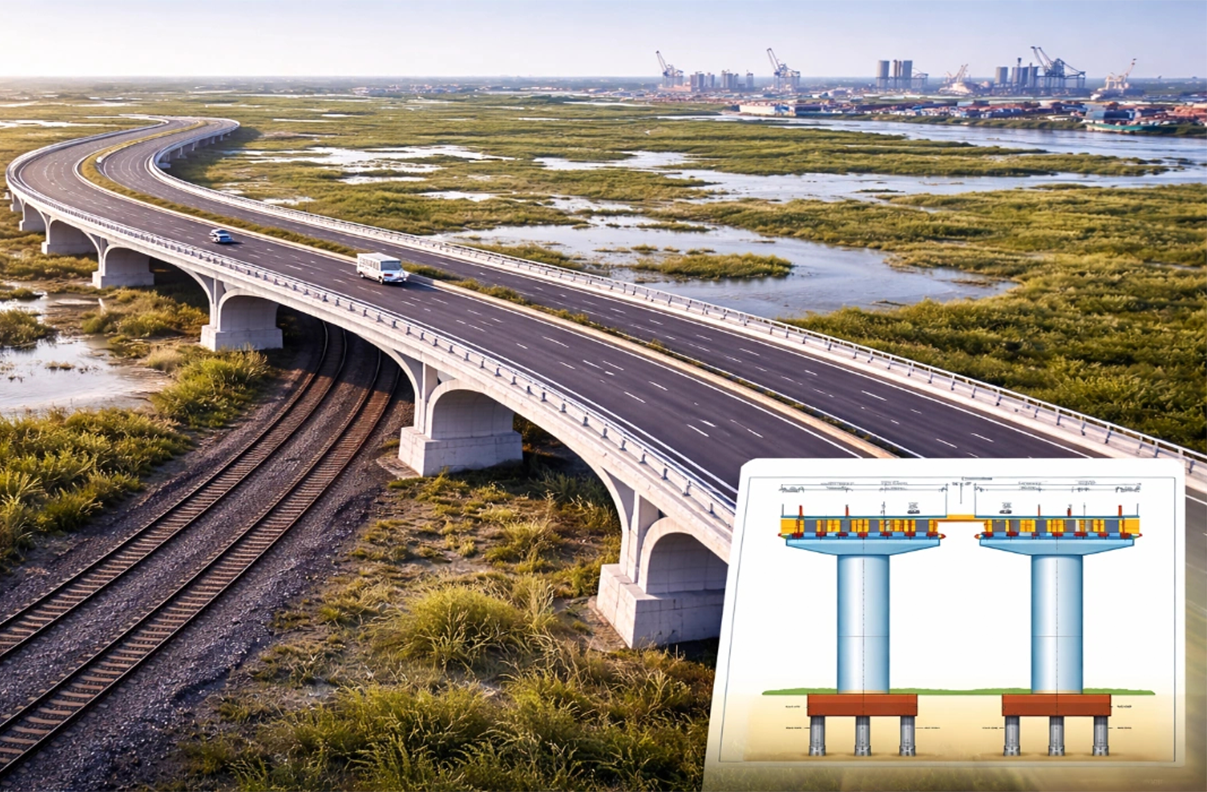
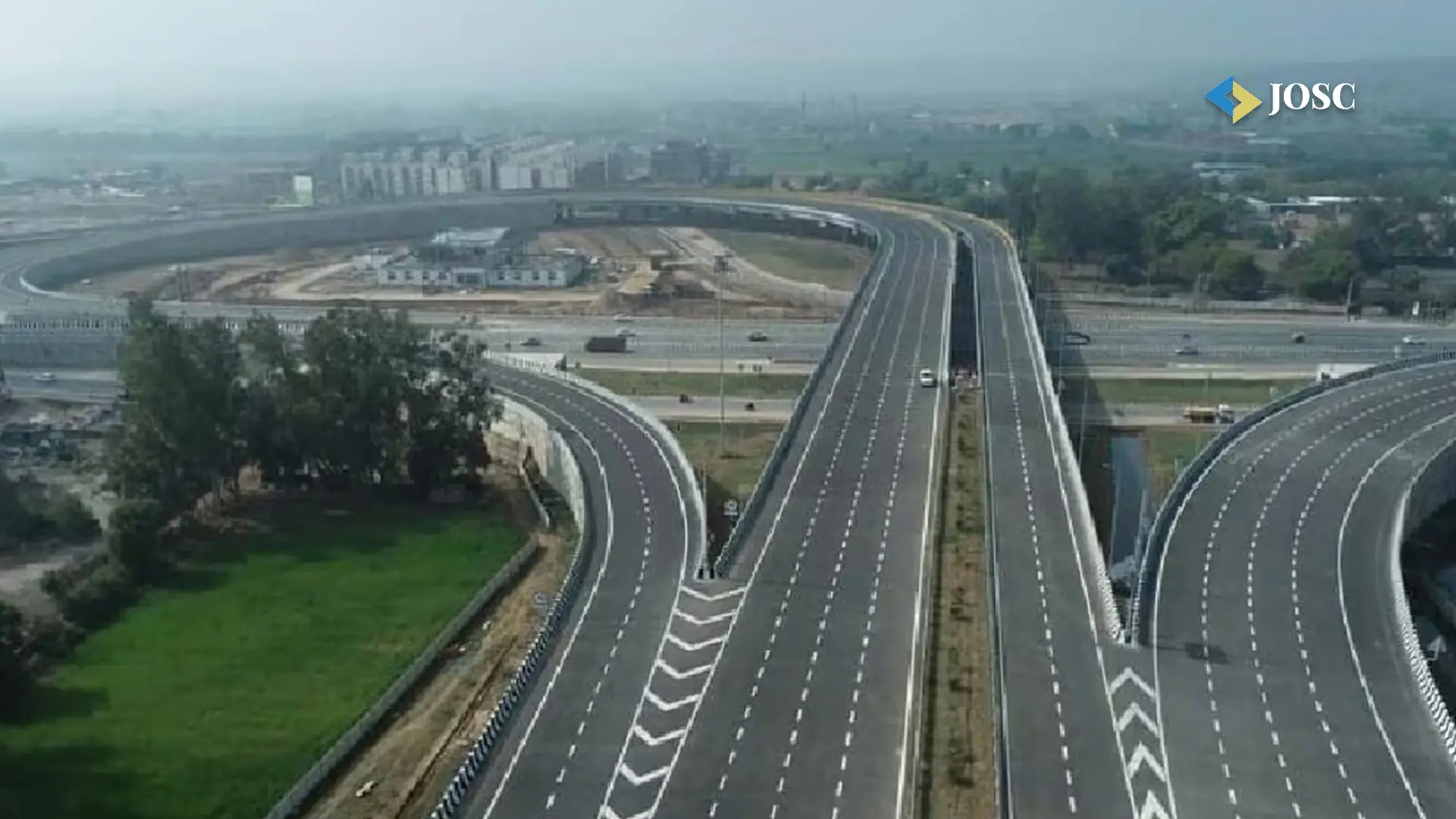
Madhya Pradesh has prioritized road building to improve connection with neighboring states. Projects such as the Chambal Expressway, Indore-Jhabua (NH-53), and bypass highways in key towns like Indore and Bhopal aim to improve transportation speed both within and beyond the state.
Improvements are being done to the Gwalior-Jhansi (NH 75), Mangawan (Rewa)- Uttar Pradesh border (NH 27), and Seoni-Maharashtra border (NH 7) roads to promote connectivity and market access in adjacent states.
The state identified five clusters based on freight movements:
The Northern Cluster comprises upcoming projects such as the Delhi-Nagpur Industrial Corridor, North-South State Road Corridor, North-South Freight Corridor, and Chambal Expressway.
The Central Cluster includes the dedicated freight corridor, Delhi-Nagpur industrial corridor, Indore-Visakhapatnam industrial corridor, and certain state investment corridors.
The Western Cluster includes projects including industrial hubs with port access, the projected Delhi-Mumbai Industrial Corridor, and state investment corridors.
The Eastern Cluster includes cities like Jabalpur and Katni, with potential for industrial and consumption logistics.
The North-South Dedicated Freight Corridor will significantly effect the Southern Cluster, with the first phase projected to be finished by 2031. This will assist neighboring areas such as Itarsi.
Railway Connectivity:
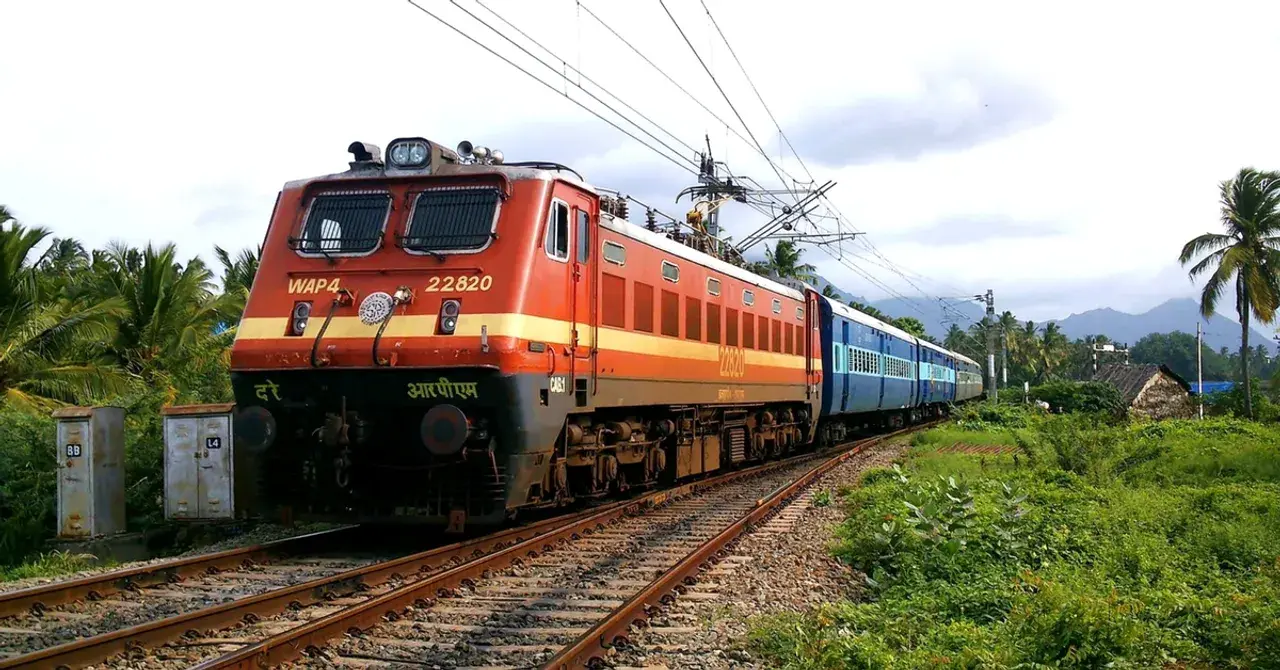
Madhya Pradesh is implementing several significant projects to increase rail connectivity. The Western Central Railways has implemented several projects to improve railway connectivity in the state.
Electrification of the Itarsi-Manikpur sector (510 kilometers)
· New lines in Lalitpur-KhajurahoPanna-Satna (283 km), RewaSidhi-Singrauli (165 km), and Ramganjmandi-Bhopal (262 km).
· Double the Katni-Singrauli (261 km), Bina-Kota (282 km), and SatnaRewa (50 km) sections.
The Bina-Habibganj-Barkheda-Budni-Itarsi segment would be tripled (242 km total).
These enhancements will increase the circulation of commodities and facilitate transportation within the state and across the country.
Air Connectivity:
Madhya Pradesh is modernizing and constructing airports to improve its air logistics capabilities. Airports at Indore, Bhopal, and Jabalpur are being modernized to accommodate growing freight and passenger traffic.
Currently, our air cargo services are booming, processing over $6 trillion in merchandise and handling over 35% of worldwide air freight operations. Dr. Yadav stated that Madhya Pradesh has seven airports that can handle air cargo. The state plans to develop its own air cargo hub, similar to Delhi, to position itself as a future hub of opportunities. The air cargo industry is rapidly growing and must be sustained.
Madhya Pradesh's strategic location positions it as an ideal hub for air cargo movement, significantly boosting its logistics potential. The state is making substantial strides in enhancing its logistics capabilities, primarily through the development of Multi-Modal Logistics Parks (MMLPs) and Inland Container Depots (ICDs).
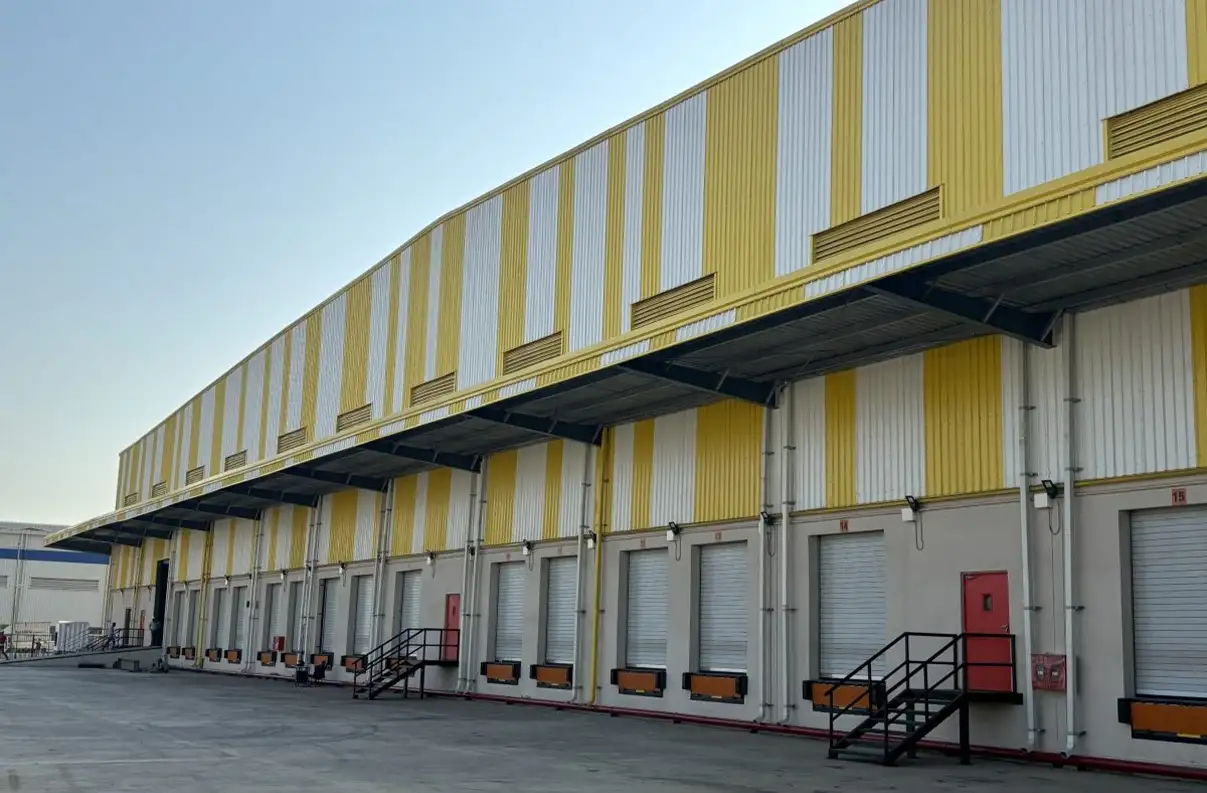
Multi-Modal Logistics Parks (MMLPs): To further strengthen its logistics infrastructure, Madhya Pradesh is developing MMLPs. These parks are designed to offer integrated logistics services, including warehousing, transportation, and distribution. The goal is to reduce logistics costs and improve efficiency, making Madhya Pradesh a competitive logistics hub in India.
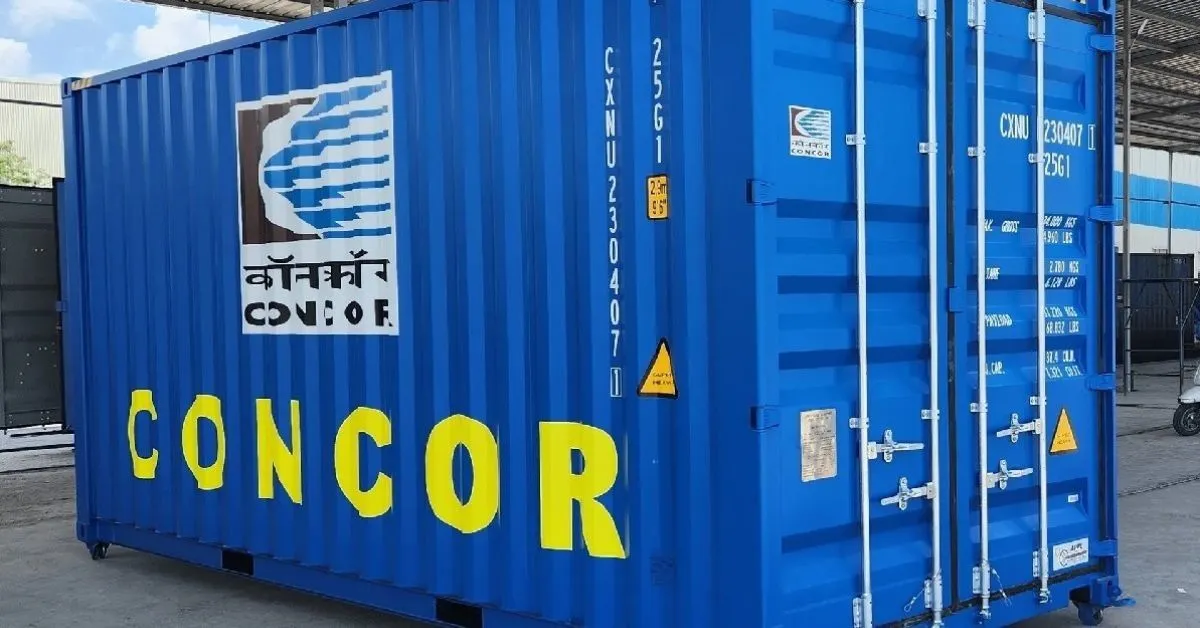
Inland Container Depots (ICDs): Currently, Madhya Pradesh boasts six ICDs located near key cities such as Indore, Ratlam, Gwalior, and Bhopal. These ICDs, ranging from 7 to 15 acres in size, have an operational capacity of handling 1,29,628 TEUs. They play a vital role in the state's export sector by functioning as self-contained custom stations that provide customer-centric support, shipping bills, and related services.
The share of exports from ICDs like Malanpur, Mandideep, and Pithampur has increased from 13% in 2014-15 to 18% of Madhya Pradesh's total exports in 2020-21, with a total value of $1163 million. However, there is a need to establish more ICDs in the eastern part of the state, where many industrial areas are located.
Addressing Challenges: Despite its progress, Madhya Pradesh's logistics ecosystem still faces several challenges. To support the state's development as a logistics hub, the government must address these critical issues:
High Cost of Movement and Repositioning: The significant expenses associated with container movement and repositioning inflate overall logistics costs, requiring immediate attention.
Improving Transportation Infrastructure: Enhancing road, rail, and air cargo networks is essential for better connectivity with neighboring states. This includes constructing more expressways, improving road conditions, and developing supportive warehouses for the air cargo industry.
Addressing Infrastructure Gaps: The logistics landscape is hindered by small, unorganized warehouses, insufficient cold storage facilities, and inadequate value-added services. There is an urgent need to address these gaps, including the lack of dedicated truck terminals and resting places for drivers, which impacts logistics efficiency and driver safety.
Simplifying Tax Structures: Simplifying the tax structure and reducing checkpoints at state borders can improve road transport efficiency, significantly lowering costs and enhancing service delivery.
Madhya Pradesh is on the path to becoming a key logistics hub in India. However, addressing the existing challenges and adopting best practices from other states, along with leveraging national schemes and projects, will be crucial for sustaining its growth in the logistics sector.
Explore the latest edition of Journal of Supply Chain Magazine and be part of the JOSC News Bulletin.
Discover all our upcoming events and secure your tickets today.
Journal of Supply Chain is a Hansi Bakis Media brand.
Subscribe to our Daily Newsletter
Subscribe For FreeBy continuing you agree to our Privacy Policy & Terms & Conditions