News
Jaipur Warehousing Sees 24% Growth in 2025, Strengthens Position as Emerging Logistics Hub
 Our Correspondent,
Our Correspondent,
Our Correspondent,
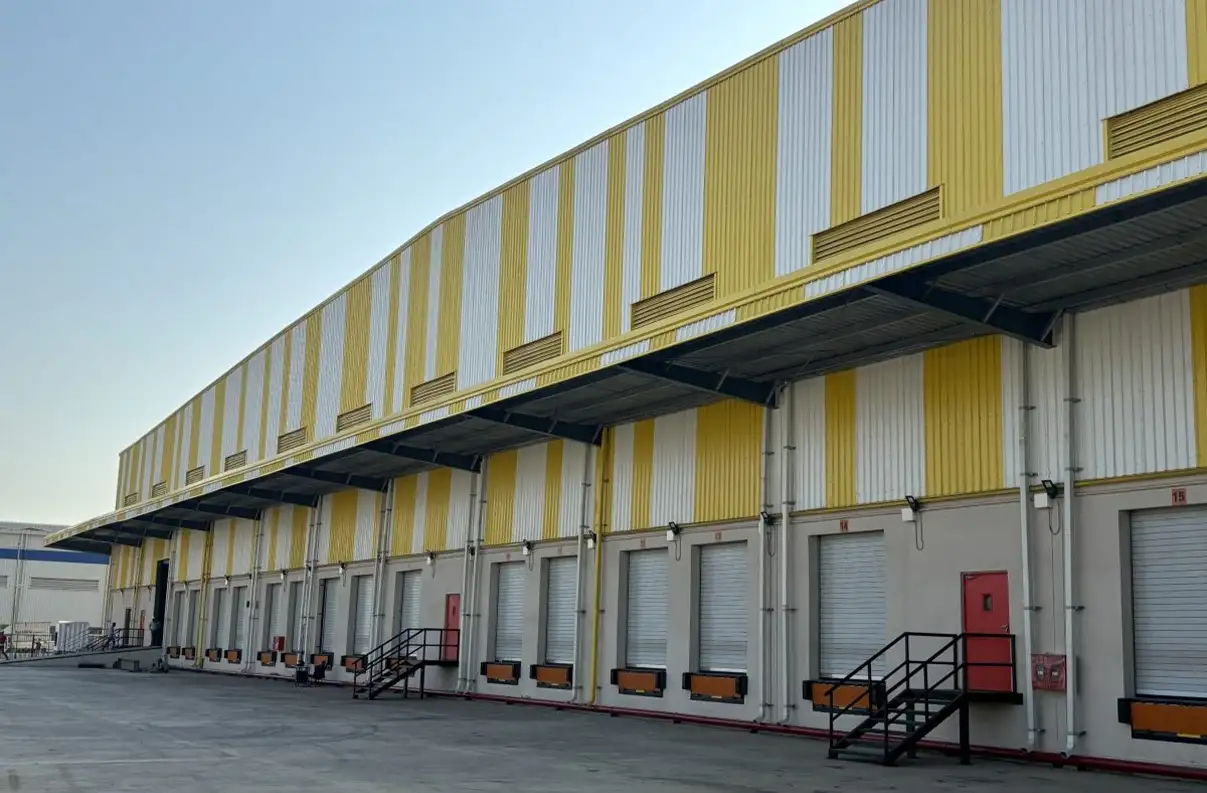
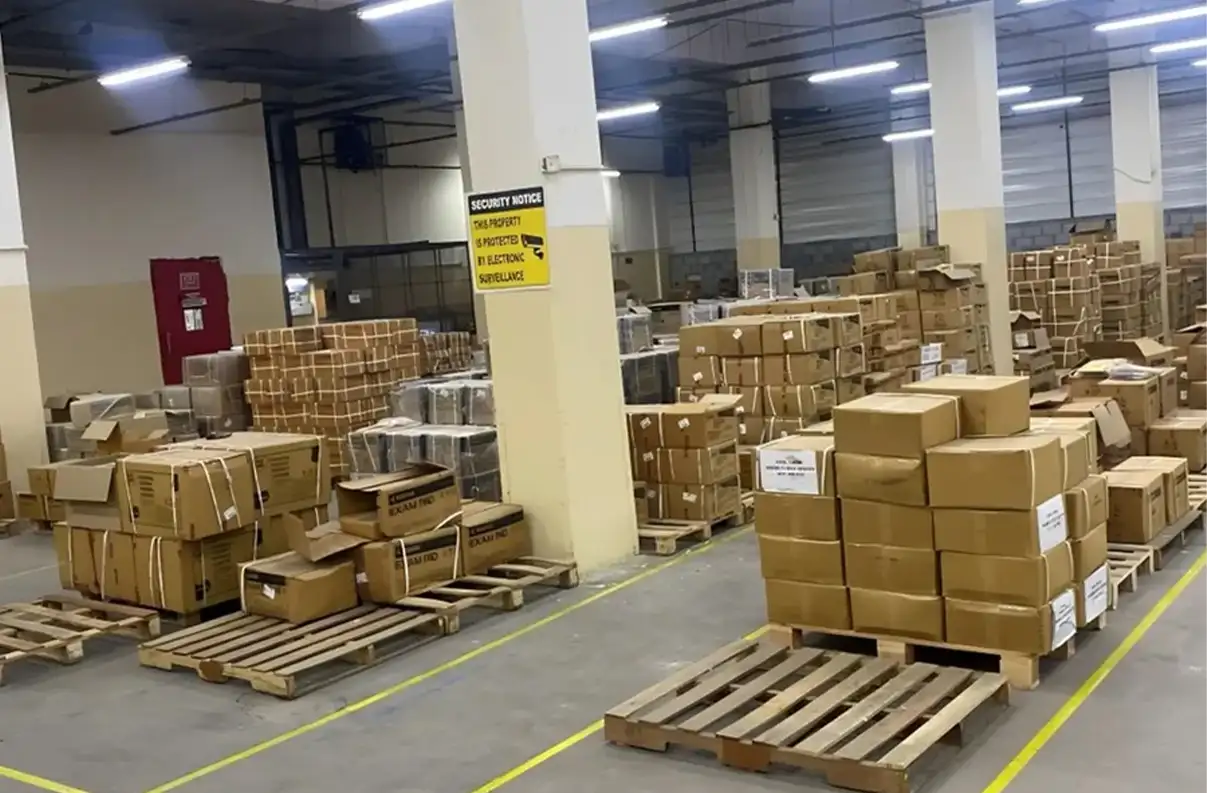
Jaipur: The warehousing market in the Pink City recorded robust activity in 2025, with total warehouse transactions touching 1.31 million square feet, reflecting a 24% year-on-year rise from 1.06 million square feet in 2024, as per a report by Knight Frank India.
This growth has positioned Jaipur as the third-highest transacting Tier-II warehousing market in the country, following Lucknow and Surat.
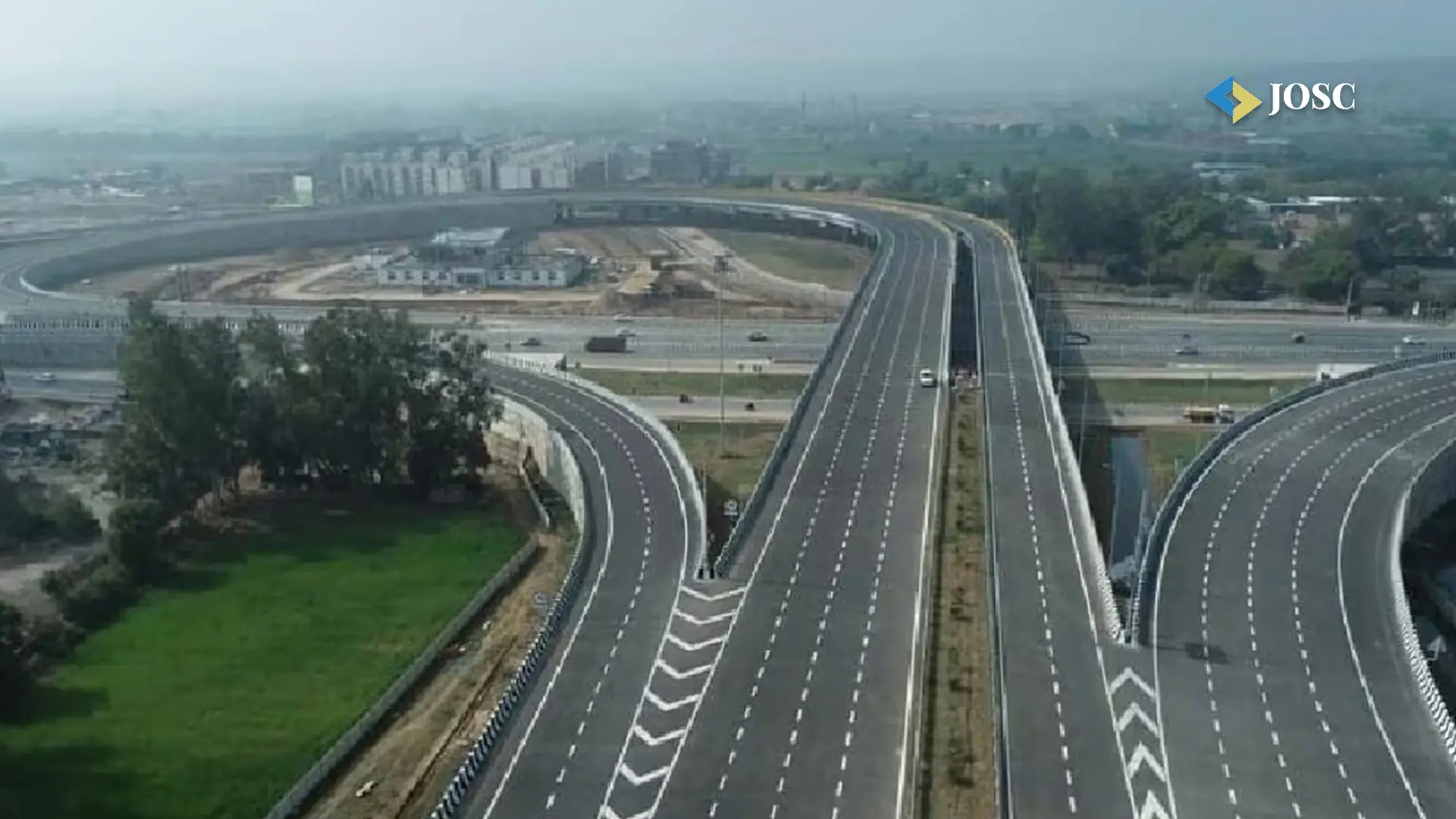
The report underlined that Jaipur is gradually establishing itself as a key regional logistics and distribution hub, backed by its strategic location within a 300-kilometre radius of the national capital and well-developed highway connectivity.
The city benefits from its link to National Highway 48, which facilitates smooth movement of goods across Rajasthan and nearby consumption markets.
Manufacturing firms continued to lead warehousing demand, contributing 35% of the total leasing activity during the year.
This was followed by third-party logistics (3PL) operators and retail players, each accounting for 19% of overall transactions.
Conference
Conference
The report observed that companies across industries are increasingly expanding their distribution networks beyond Tier-I cities to strengthen regional reach and cater to growing consumer expectations for faster deliveries.
Although the share of e-commerce transactions declined from 27% in 2024 to 15% in 2025, the fast-moving consumer goods (FMCG) segment gained traction, with its share rising from 4% to 11%. Several large-format leasing deals were also witnessed during the year, with major occupiers securing spaces ranging between 0.1–0.2 million square feet.
In terms of clusters, the southern peripheral NH-48 corridor remained the dominant warehousing zone in Jaipur, accounting for 89% of total annual transactions in 2025, largely in line with the 87% share recorded a year earlier.
Locations such as Mahindra World City and Bagru continued to attract interest due to their proximity to key highways and industrial hubs.
The study further highlighted that occupiers in Jaipur largely prefer Grade B warehousing facilities, which made up 92% of total transactions in 2025. This trend is mainly driven by the availability of such spaces from local developers and the cost-conscious approach of companies expanding in Tier-II cities.
Rental values across the city remained mostly stable during the year, though select pockets along the NH-48 corridor witnessed moderate rental growth of 5–15% year-on-year, supported by rising demand and limited availability of quality warehouse space.
Explore the latest edition of Journal of Supply Chain Magazine and be part of the JOSC News Bulletin.
Discover all our upcoming events and secure your tickets today.
Journal of Supply Chain is a Hansi Bakis Media brand.
Subscribe to our Daily Newsletter
Subscribe For FreeBy continuing you agree to our Privacy Policy & Terms & Conditions