News
India–US Interim Trade Framework Set to Boost US Aerospace OEMs and Indian Supply Chains
 Anamika Mishra,
Sub Editor
Anamika Mishra,
Sub Editor
Anamika Mishra,
Sub Editor
Anamika Mishra,
Sub Editor
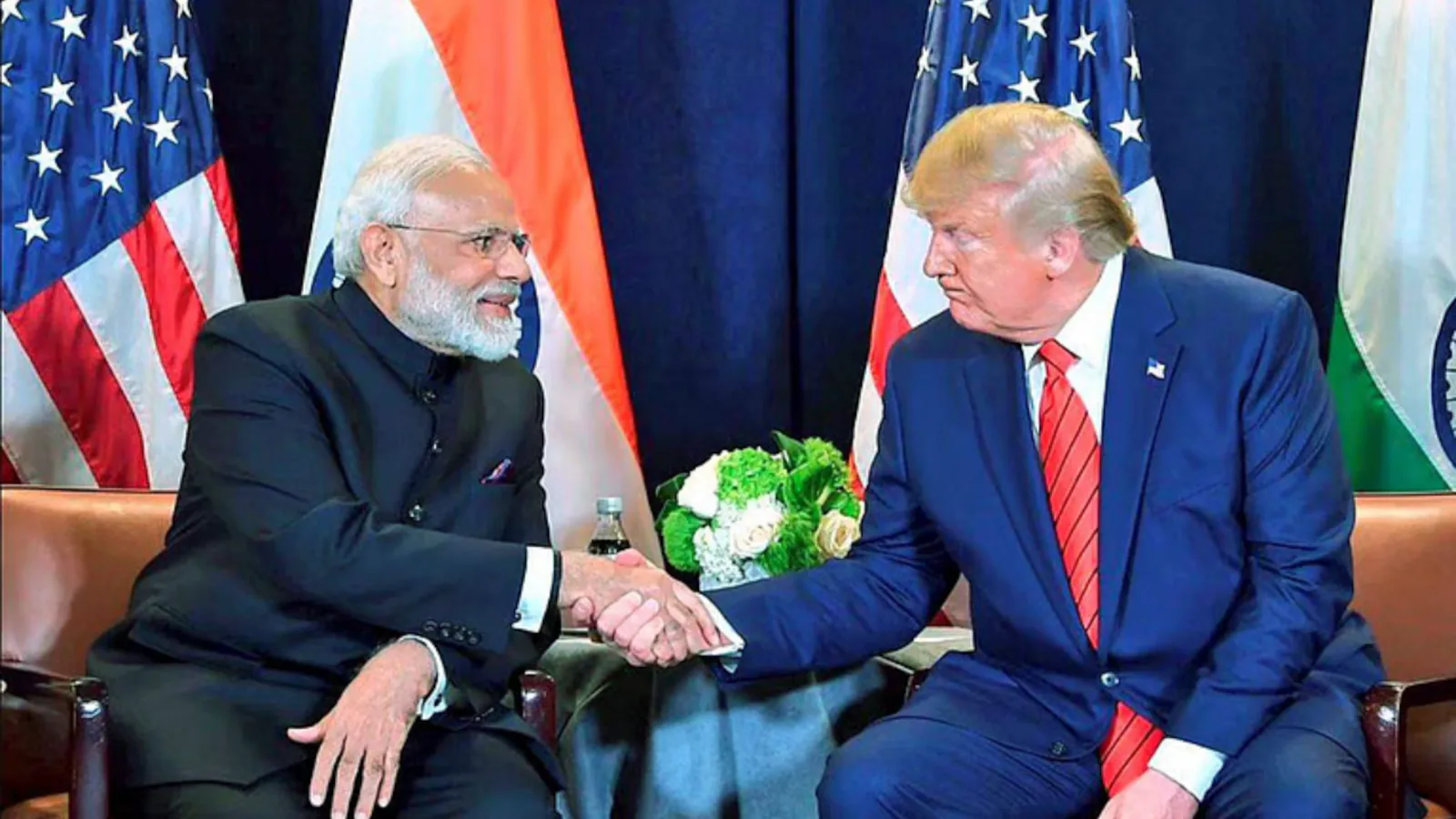
Under the interim trade framework, India has indicated its intention to purchase goods worth $500 billion from the United States over the next five years, spanning energy products, aircraft and aircraft components, precious metals, technology products and coking coal.
The India–US interim trade framework agreement is expected to provide a significant boost to US aerospace original equipment manufacturers (OEMs) and their supply chain partners operating in India.
As outlined in the framework announced on Saturday, India has committed to sourcing $500 billion worth of US-origin energy products, aircraft and aircraft parts, precious metals, technology equipment and coking coal over a five-year period.
In recent years, Indian airlines including Air India and Akasa Air have placed orders for more than 400 Boeing aircraft. Last week, Air India further expanded its fleet plans by placing an additional order for 30 Boeing 737 Max aircraft. The airline has also entered into a multi-year agreement with Boeing for maintenance support of its Boeing 787 fleet.
As part of the trade framework, the US will also remove tariffs on select aircraft and aircraft components exported from India, which had earlier been imposed to protect its domestic aluminium and steel industries.
Conference
Conference
“The US–India trade agreement sends a strong signal of the two countries’ commitment to a deeper economic partnership. In aerospace and defence, Boeing has long advocated a zero-for-zero tariff regime, and this agreement creates momentum to expand that approach. A tariff-free framework would accelerate industrial growth, strengthen national security and create win-win outcomes for both nations,” said Salil Gupte, president of Boeing India and South Asia.
Over the past few years, Indian manufacturers have emerged as critical suppliers to global aerospace OEMs, delivering not only precision-machined parts and components but also complex assemblies such as aircraft doors.
“The interim trade framework is a positive development for India’s aerospace manufacturing ecosystem, with the potential to improve cash flows and enhance cost competitiveness across the supply chain. It strengthens the operating environment for Indian suppliers and supports deeper integration with US aerospace supply chains,” said Aravind Melligeri, executive chairman and CEO of Aequs Limited. The company supplies engine components and structural assemblies, including wing parts and nacelles, to OEMs such as Boeing and Collins Aerospace.
The Karnataka-based firm derives nearly 90 per cent of its revenue from aerospace manufacturing and has been expanding capacity to meet higher delivery schedules and secure new contracts. “In the last quarter, our aerospace business grew 38 per cent year-on-year. That growth would not have been possible without sustained capital expenditure. Our current utilisation stands at 70 per cent and can go up to 75 per cent, leaving room for further expansion,” Melligeri said.
Explore the latest edition of Journal of Supply Chain Magazine and be part of the JOSC News Bulletin.
Discover all our upcoming events and secure your tickets today.
Journal of Supply Chain is a Hansi Bakis Media brand.
Subscribe to our Daily Newsletter
Subscribe For FreeBy continuing you agree to our Privacy Policy & Terms & Conditions