India and Brazil have signed a Memorandum of Understanding (MoU) aimed at deepening cooperation in mining and minerals essential to the steel sector, marking a significant step forward in bilateral ties between the two nations.
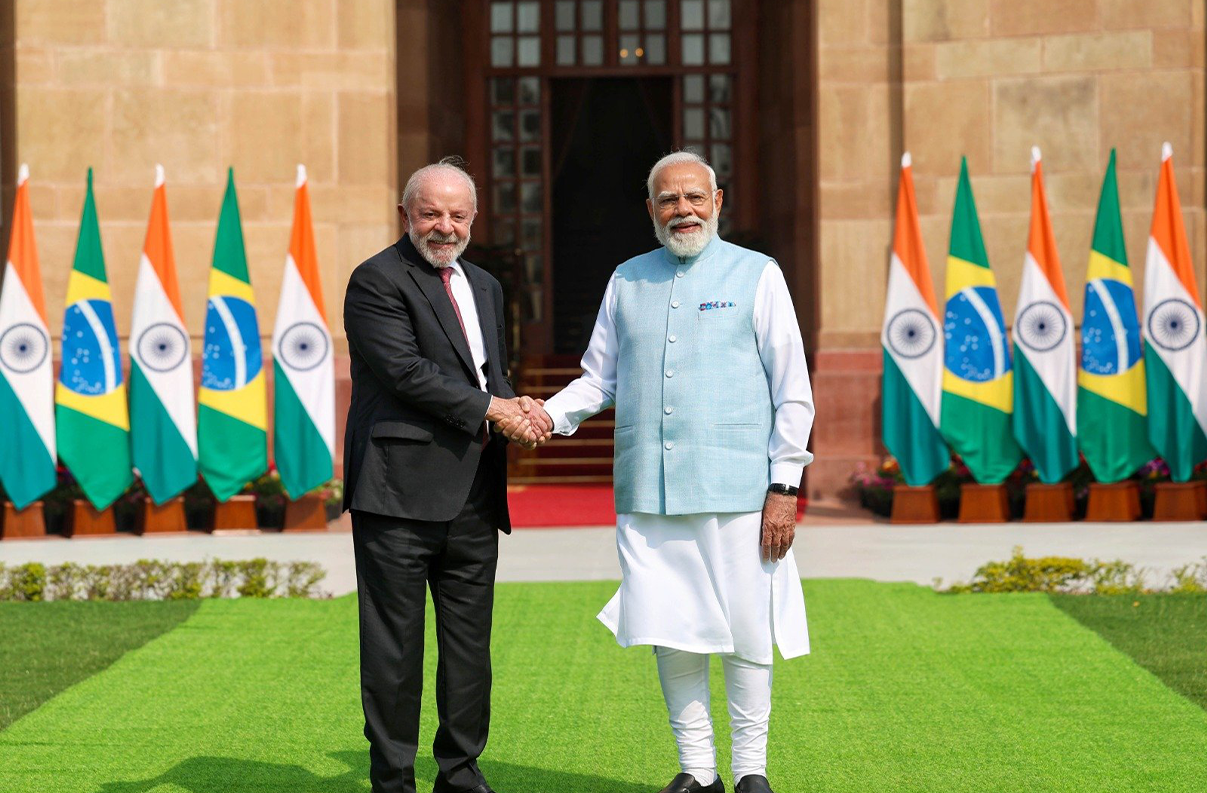
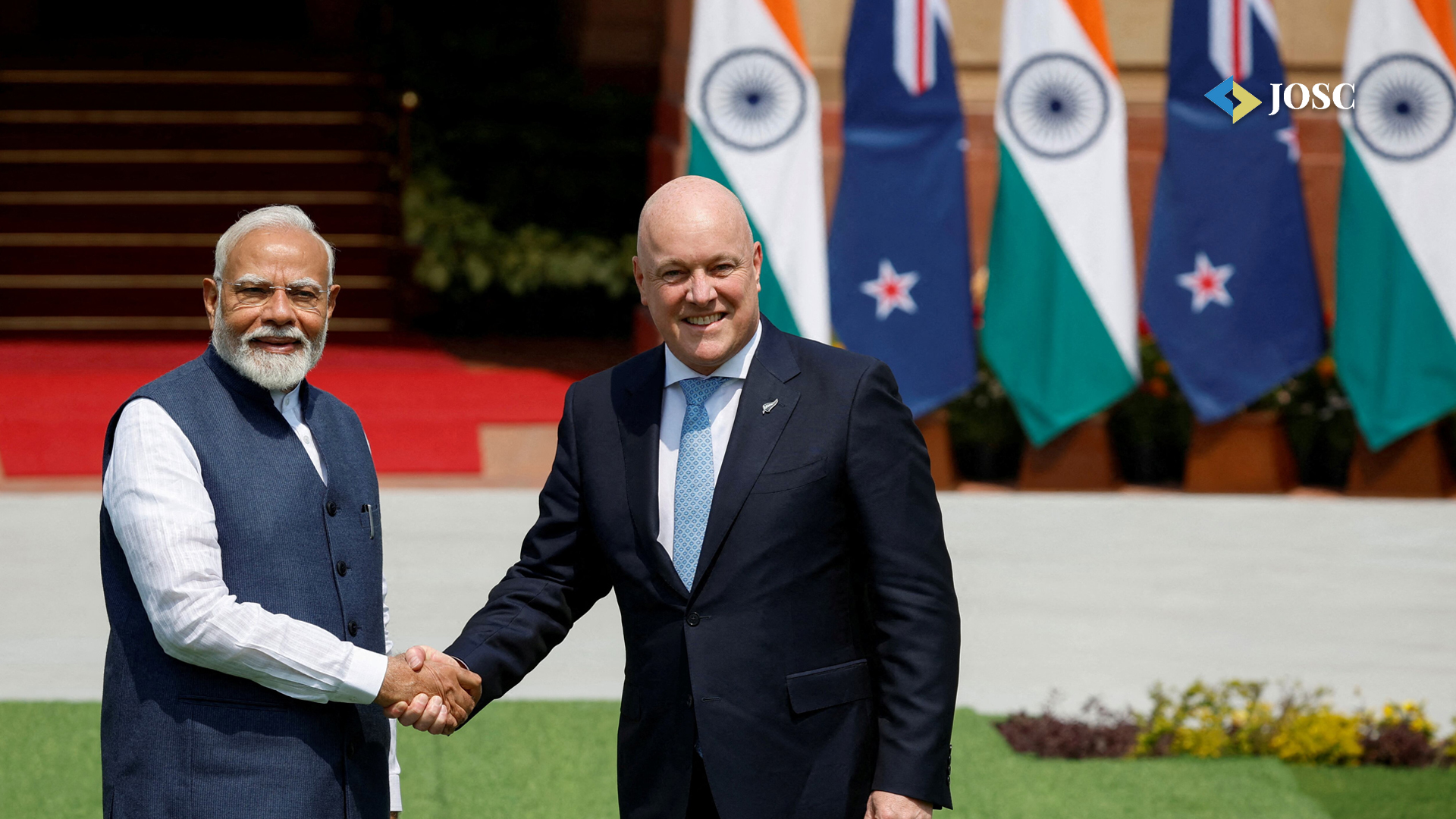
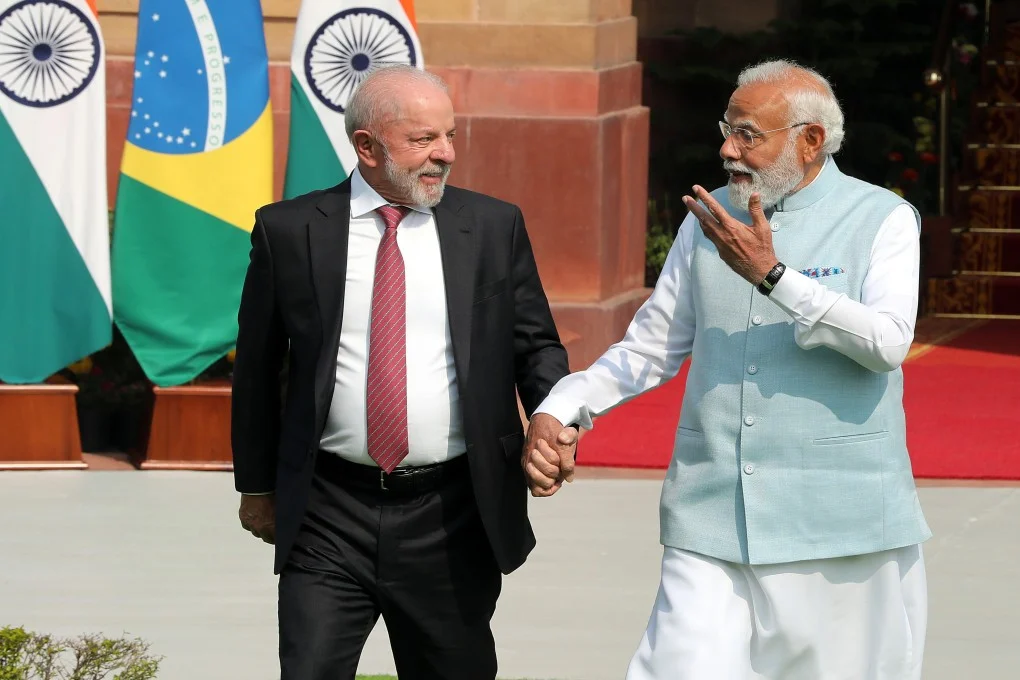
The agreement was formally exchanged on Saturday in the presence of Prime Minister Narendra Modi and Brazilian President Luiz Inácio Lula da Silva at Hyderabad House in New Delhi. The signing signals both countries' commitment to building a more structured and sustained partnership across the steel value chain.
At its core, the MoU establishes an institutional framework designed to reinforce bilateral cooperation along the full length of the steel value chain. A central emphasis is placed on promoting the reliable and sustainable development of raw materials that are critical to steel production — materials that India increasingly needs as its domestic demand continues to climb.
The areas of cooperation outlined in the agreement are wide-ranging. They include attracting investment in exploration, mining, and infrastructure development within the steel sector; advancing processing and recycling technologies for minerals; integrating automation and advanced technologies into exploration and mining operations; leveraging artificial intelligence in geoscientific data analysis to improve exploration efficiency; and adopting best practices in mineral extraction, processing, and environmental management.
Brazil brings considerable strategic value to this partnership.
The South American nation ranks among the world's leading producers of iron ore and holds substantial reserves of minerals that are vital to steelmaking, including manganese, nickel, and niobium. Through stronger ties with Brazil, India expects to improve its access to these key raw materials as well as to cutting-edge technologies that can support the long-term growth of its steel industry.
India's steel sector is already operating at an impressive scale, with a current steelmaking capacity of 218 million tonnes. However, that capacity is being stretched by surging domestic demand — fueled by large-scale infrastructure development and rapid industrialization across the country. In response, Indian companies are actively pursuing significant expansions in their steelmaking capacity, making reliable access to raw materials and advanced processing technologies more critical than ever.
In this context, the MoU takes on considerable strategic importance. Beyond simply securing raw material supply, it is designed to facilitate access to advanced technologies in mineral processing, beneficiation, recycling, and data-driven exploration. The partnership is also expected to support more efficient preparation of steelmaking inputs, enable technology-led improvements at every stage of the steel value chain, and strengthen the overall resilience and sustainability of the India–Brazil steel supply chain.
The agreement comes at a time when global supply chains are under growing pressure to become more diversified and less dependent on single-source suppliers. For India, building a robust partnership with Brazil — one of the world's most resource-rich nations — represents a forward-looking move to secure the raw material base needed to sustain its industrial ambitions well into the future.
Explore the latest edition of Journal of Supply Chain Magazine and be part of the JOSC News Bulletin.
Discover all our upcoming events and secure your tickets today.
Journal of Supply Chain is a Hansi Bakis Media brand.
Subscribe to our Daily Newsletter
Subscribe For FreeBy continuing you agree to our Privacy Policy & Terms & Conditions