News
India Addresses Logistical Disruptions Amid West Asia Crisis, Trade Flows Under Pressure
 Our Correspondent,
Our Correspondent,
Our Correspondent,
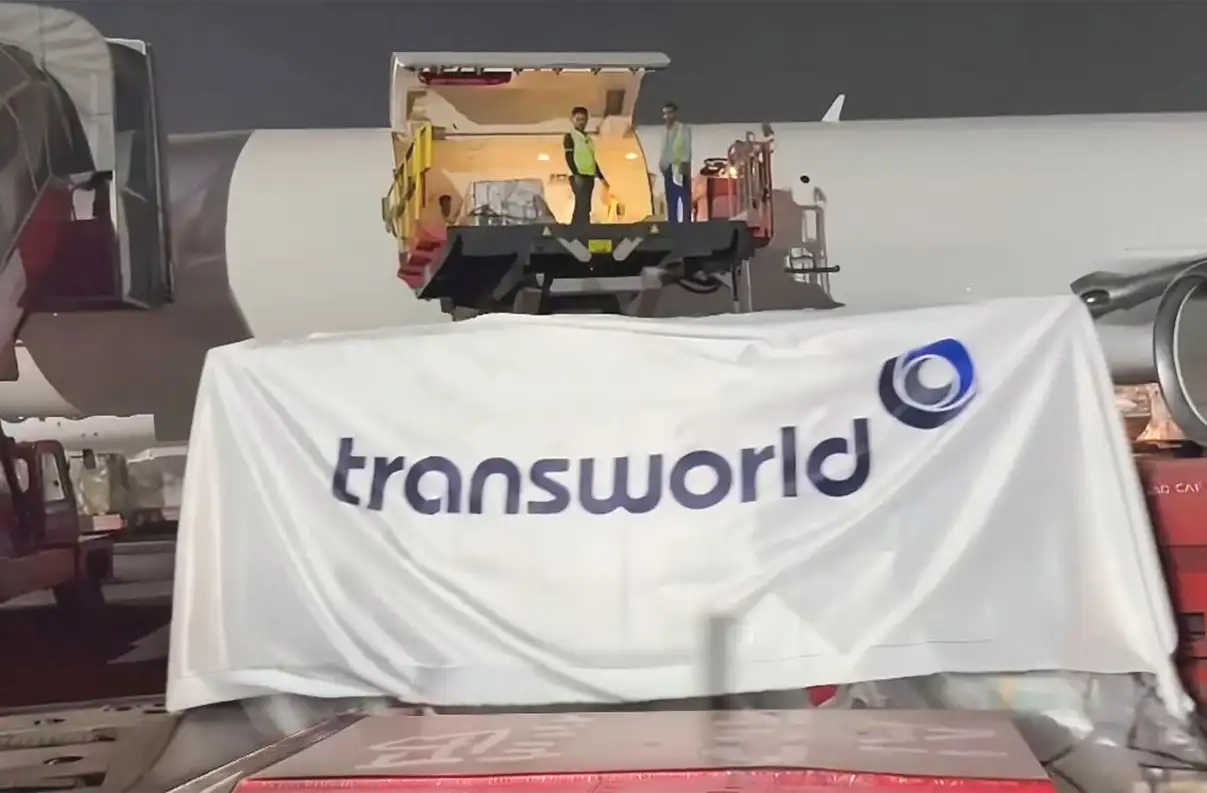
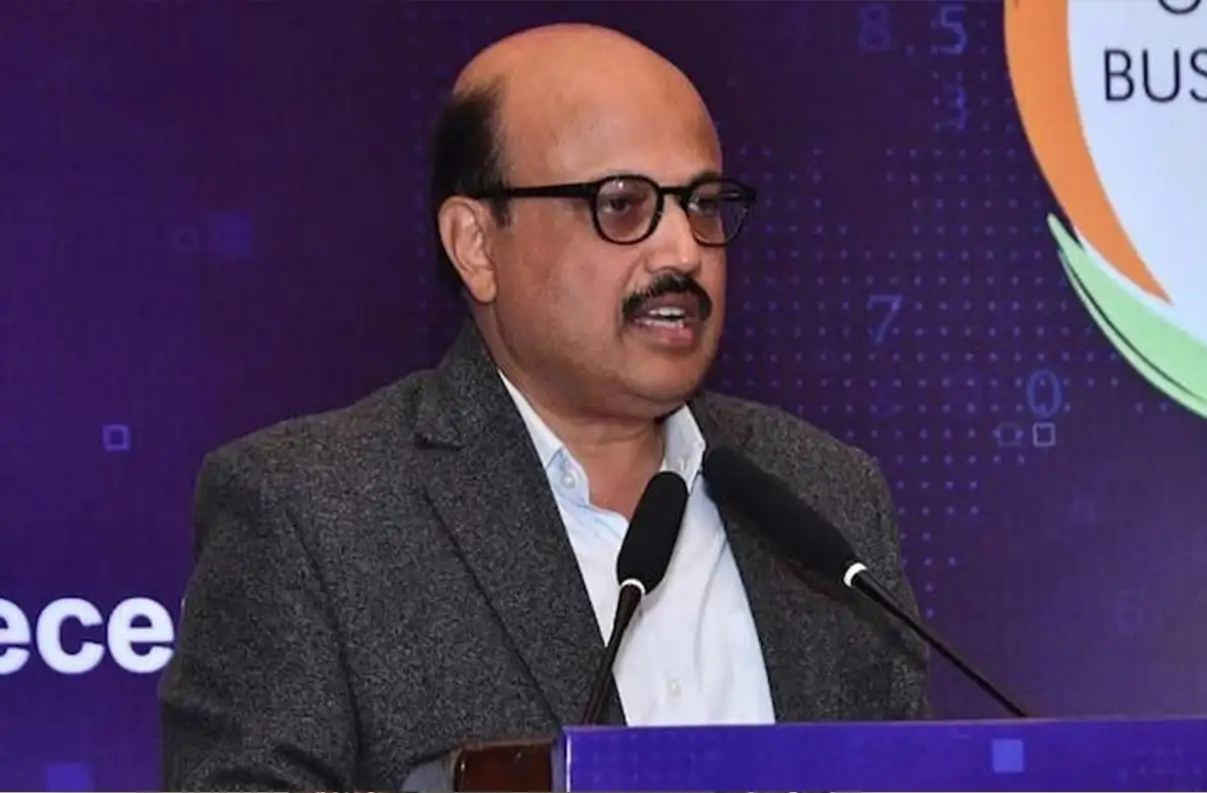
The Commerce Secretary has acknowledged significant logistical challenges currently impacting trade operations, with air cargo facing particular difficulties due to disruptions in flight schedules and routes.
"There are logistical challenges that are being faced. Air cargo is also facing certain challenges because of some destruction in flights," the Commerce Secretary stated while addressing the ongoing situation.
The official warned that these disruptions are likely to have ramifications for trade flows between India and the affected region. The bilateral nature of the trade relationship means both sides will experience the impact of these operational challenges.
"It will have some impact. Their imports from India will also suffer because they are also dependent on India for multiple categories," Agrawal explained, highlighting the interdependence between India and its trading partners in the region.
Despite these challenges, the Commerce Secretary struck an optimistic note, emphasizing that authorities on both sides remain actively engaged in finding practical solutions to maintain trade continuity. The government's approach appears focused on minimizing disruption rather than accepting complete cessation of trade activities.
"Both sides are very engaged in finding solutions which can address some of these challenges. It may have some impact, but it will not be completely wiped out," he assured stakeholders.
To ensure rapid response to evolving situations, the government has established a dedicated monitoring mechanism. An interministerial group has been constituted under the Directorate General of Foreign Trade (DGFT) that convenes daily to assess developments and coordinate responses.
"There are certain collaborations, certain work that we are doing by forming an interministerial group under DGFT, which meets everyday morning," Agrawal added, underscoring the government's commitment to proactive management of the crisis.
Conference
Conference
Conference
Conference
Conference
Conference
Summit
In parallel with these crisis management efforts, official government trade data released for February revealed continued activity in trade remedies and facilitation measures. The Directorate General of Trade Remedies (DGTR) has launched a countervailing duty investigation focused on imports of PVC Suspension originating from China.
According to the data, "DGTR has initiated one Countervailing duty investigation concerning imports of 'PVC Suspension' from China PR."
The DGTR has also been active in concluding pending investigations. The agency issued two final findings during February 2026, both related to anti-dumping investigations. These concerned imports of Monoisopropylamine (MIPA) and Methyl Acetoacetate from China. However, no preliminary findings were issued during the same period.
The data specifically indicated that "DGTR has issued two final findings in the month of February, 2026" concerning anti-dumping investigations related to "Monoisopropylamine (MIPA)" and "Methyl Acetoacetate" imports from China PR, while "DGTR has not issued any Preliminary findings in the month of February, 2026."
During the press conference, the Commerce Secretary also highlighted various measures being implemented to improve the ease of doing business in the foreign trade sector. These initiatives are designed to streamline processes and reduce compliance burdens on exporters and importers.
A significant technological advancement mentioned involves the automatic verification of exporter bank accounts through the National Payments Corporation of India (NPCI). According to the information provided, "Exporter bank accounts are automatically verified via NPCI, linked with PAN and matched with IEC details." This digital integration represents a substantial step forward in trade facilitation, as it "reduces manual intervention, improves compliance speed, and enhances trade facilitation."
Recognizing the specific challenges posed by the West Asia crisis, the government has extended critical support to exporters through reforms in duty exemption schemes. Most notably, the "export obligation fulfilment period extended till 31 Aug 2026 to address disruptions due to the West Asia crisis." This extension provides exporters with additional time to meet their obligations despite the challenging operational environment.
Furthermore, the government conducted a nationwide drive from March 2 to March 12, 2026, specifically aimed at clearing long-pending cases. This intensive effort resulted in the issuance of 3,796 Export Obligation Discharge Certificates (EODCs), directly benefiting thousands of exporters.
The clearance of these pending cases delivers multiple benefits to the export community. It helps "release bank guarantees/bonds, reduce compliance burden, improve liquidity, and strengthen trade facilitation." By freeing up capital previously locked in guarantees and bonds, exporters gain improved access to working capital, which is particularly valuable during periods of operational uncertainty.
The comprehensive approach adopted by the government—combining crisis monitoring, trade remedy actions, digital facilitation measures, and targeted relief for exporters—reflects an understanding of the complex challenges facing India's foreign trade sector. While the Commerce Secretary acknowledged that disruptions would have some impact, the multifaceted response strategy aims to ensure that trade channels remain functional and that Indian exporters receive the support needed to navigate this challenging period.
Explore the latest edition of Journal of Supply Chain Magazine and be part of the JOSC News Bulletin.
Discover all our upcoming events and secure your tickets today.
Journal of Supply Chain is a Hansi Bakis Media brand.
Subscribe to our Daily Newsletter
Subscribe For FreeBy continuing you agree to our Privacy Policy & Terms & Conditions