Article
India's Gateway to Prosperity: Vizhinjam Port Set to Anchor Kerala’s Economic Future
 Anamika Mishra,
Sub Editor
Anamika Mishra,
Sub Editor
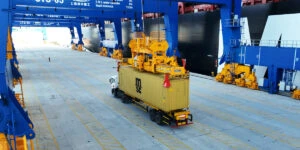
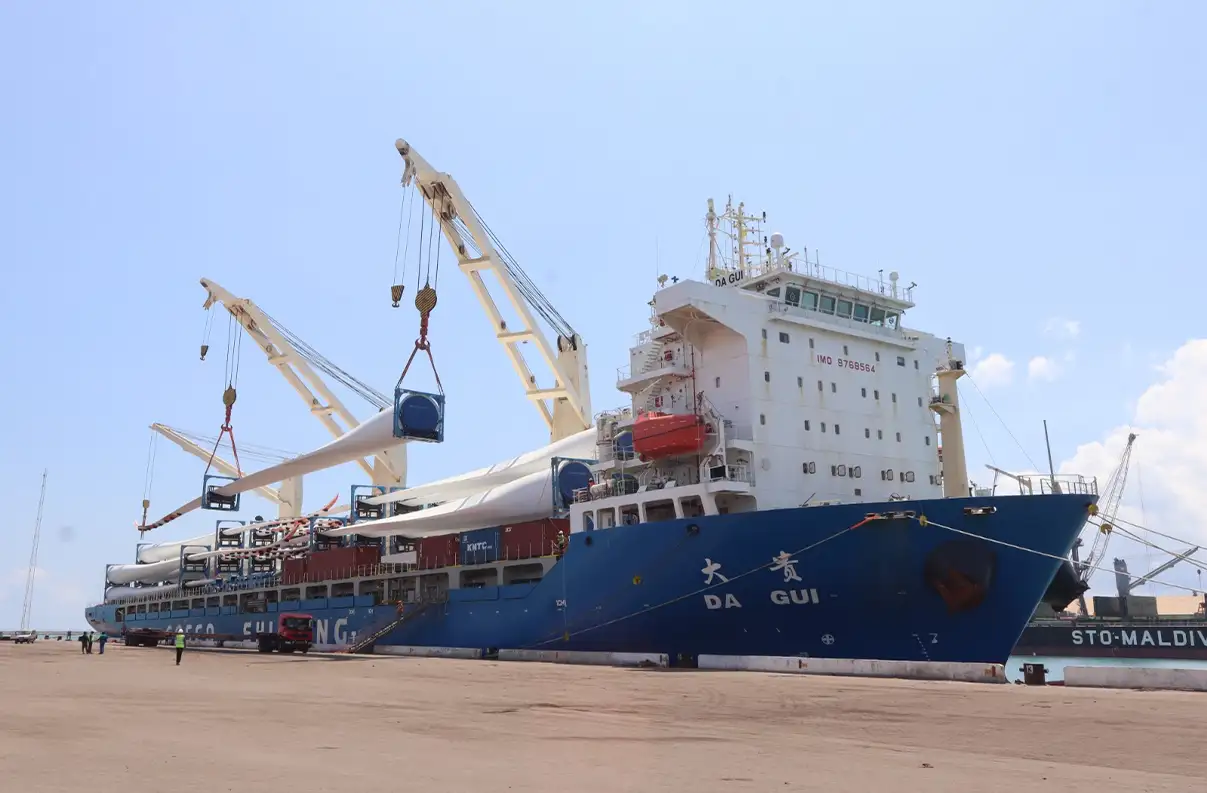
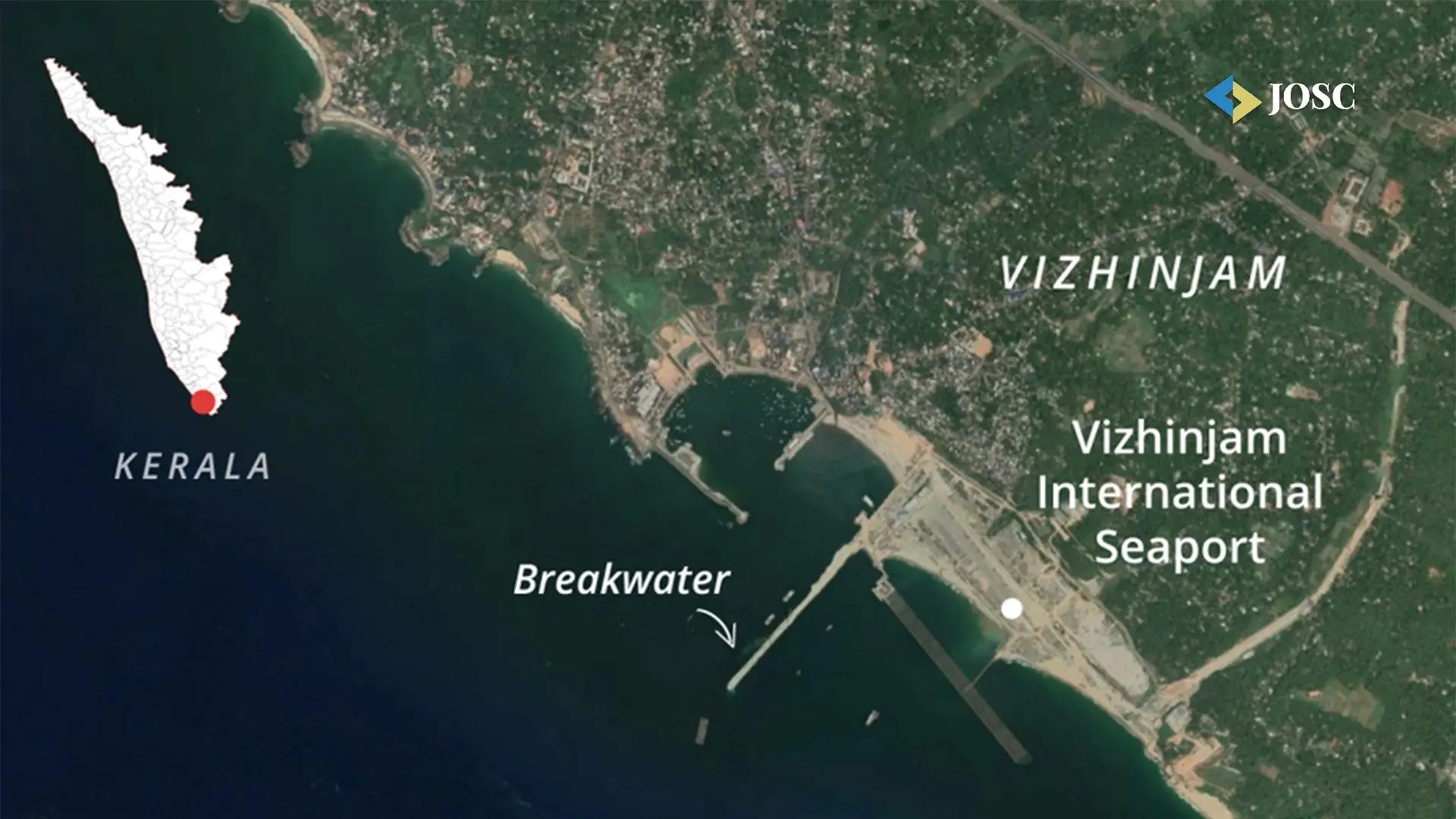
The Vizhinjam International Transhipment Deepwater Multipurpose Seaport in Kerala is set to change the state's economy by becoming an important port for sea trade. This big project by Adani Ports and Logistics is India’s first new port built from scratch. The investment of over ₹20,000 crore is made through a partnership between the government and private companies. Because the port is located close to major shipping routes, it can handle large cargo ships, making trade faster and more efficient.
Strategic Location and Connectivity
Vizhinjam Port is strategically positioned just 10 nautical miles from critical international shipping lanes joining Europe, the Persian Gulf, Southeast Asia, and the Far East. The strategic location enhances India's maritime capabilities and infers that smoother trade flows will be possible. Its natural draft of 20-24 meters can host ultra-large container vessels up these massive ships that are becoming increasingly common worldwide. This depth is one of the reasons why this place holds an edge against many Indian ports that require an extension to accommodate vessels of such sizes.
Infrastructure and Technological Advancement
The Vizhinjam infrastructure is nothing short of state-of-the-art. It boasts deep-water capabilities where ultra-large container ships can dock without considerable dredging. The longest and deepest breakwater in India assures safety and shelter for vessels incoming, and advanced container handling technology, such as STS Super Post-Panamax cranes, promises efficiency in loading and unloading processes. Automation will be crucial to a minimum turnaround time and maximum operational efficiency.
According to Karan Adani, Managing Director of Adani Ports & SEZ, "What we have already installed here is South Asia's most advanced container handling technology. Once we complete the automation and the Vessel Traffic Management System, Vizhinjam will be in a class of its own as one of the most technologically sophisticated transshipment ports in the world".
Conference

Conference

Economic Importance
The economic importance of the Vizhinjam Port is mind-boggling. It could propel India's share in international trade, given the substantial reduction in logistics costs and cargo handling efficiency improvements. It was conceptualized to handle 1 million TEUs per annum, while plans are on for an additional 6.2 million TEUs by 2028-29 [1]. This will probably make Vizhinjam a leader in global maritime logistics and bring large industrial growth along Kerala's coast.
Additionally, it is also expected that the port will create over 5,500 direct and indirect jobs by 2028-29. With more direct jobs for the local people, such a scenario will experience a positive knock-on effect in the rest of Kerala as a whole, with sector changes in terms of retail, hospitality, and so on that boost local economic activity.
Environmental Considerations
Being a greenfield project, Vizhinjam highlights sustainability by promising to be a global bunkering hub providing clean fuels such as hydrogen and ammonia. This aim will go in tremendous harmony with broader, environmental objectives and facilitate the transition to a more environmentally friendly approach to shipping practices. The project shall provide equal scope for benefits of the economy with a minimal ecological footprint.
Future Prospects
Vizhinjam Port will soon be instituted with commercial operations, which would change the Kerala economy. This port may create rising opportunities for export and import, which will have an increase in industrial development to the coast. The government believes that the state will invest ₹10,000 crore when the port is constructed along the coast. It is quite evident that the port has a transformational scope.
Challenges Ahead
Even with all these promising promises, there are a few concerns in which Kerala cannot take full leverage of this strategic advantage. The main concern here will be the sustenance of investment in infrastructure and technology. At the same time, the continuous development of infrastructure related to roads, railways, and logistics facilities around the port will be of great importance in reaping maximum benefit from its value in operations in terms of trade.
Effective governance will also prove pivotal in ensuring that port benefits go beyond immediate economic gains for longer-term sustainable development. To be able to achieve success similar to Gujarat, one of the economic paradigms, Kerala should focus on creating a business-friendly environment that encourages investment with favorable policies and incentives.
In addition, skill development would become one of the most important aspects of employing an appropriate workforce in newly emerging jobs resulting from increased maritime activities. The public-private partnership will be of high importance; contact with private entities like Adani Ports will help leverage innovation and efficiency for port activity.
Comparison with Gujarat's Economic Model
Kerala, colloquially known as "God's Own Country," also has the opportunity to exercise Vizhinjam Port to the same end as Gujarat does with its ports in the region for economic development. Gujarat has become a manufacturing center partly due to the strategic maritime infrastructure it has put in place. For Kerala to take the same steps, it needs to advance on the following points:
- Encouraging investment through effective policies and incentives.
- Preparing the workforce for jobs that will arise with increased maritime activity.
- Private operators like Adani Ports utilize innovative and efficient port operations.
Vizhinjam International Transhipment Deepwater Multipurpose Seaport is the hope for Kerala's bright future as a thriving maritime trade hub. With this strategic location and investment in both infrastructure and technology, Vizhinjam shall be ably to prop up India's position in global trade networks. To realize that potential, the ease of sustainability must be accompanied by strong investment practices and the propensity for good governance.
As Chief Minister Pinarayi Vijayan said at the latest ceremony to receive the first mothership in Vizhinjam, "This marks the entry of India into global transshipment. It will catapult our global importance". If the management goes right, Vizhinjam should tell a tale similar to that of Gujarat's victory while opening doors to a developed Kerala, a place that would flourish based on its maritime strength and where "God's Own Country" would live up to its name.
Explore the latest edition of Journal of Supply Chain Magazine and be part of the JOSC News Bulletin.
Discover all our upcoming events and secure your tickets today.
Journal of Supply Chain is a Hansi Bakis Media brand.
Leave Comment
Join the community of 150,000+ industry professionals
Subscribe to our Daily Newsletter
Subscribe For FreeBy continuing you agree to our Privacy Policy & Terms & Conditions
Latest





Feature Articles



Related