Article
India Plans To Produce Rare Earth Magnets Domestically In 3-4 Months Amid China's Weaponisation Of Supply Chain Dominance
 Anamika Mishra,
Sub Editor
Anamika Mishra,
Sub Editor
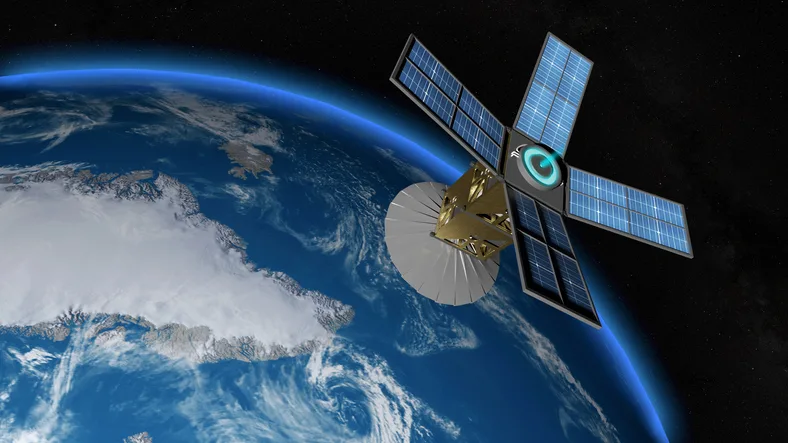
India is racing against time to dismantle China’s near-total dominance over the global rare earth supply chain. In a decisive and urgent shift, Union Minister G. Kishan Reddy announced that India will begin domestic production of rare-earth permanent magnets within the next three to four months, a move that could significantly curb the country’s dependence on Chinese imports, which have historically accounted for almost 100% of its demand.
This announcement signals more than just industrial progress, it marks a calculated strategic pivot in India’s geopolitical and economic approach. China currently controls over 90% of global rare earth magnet production and its recent decision to improve export restrictions has sent shockwaves through industries worldwide from electric vehicles and renewable energy to electronics and defence manufacturing. For India, the message is clear: relying on a single foreign supplier, especially on increasingly using critical resources as tools of economic statecraft, is no longer viable.
India’s response is swift, structured and national in scope. The Non-Ferrous Materials Technology Development Centre in Hyderabad has already set up a pilot facility for magnet processing and the government is preparing to transfer this technology to domestic manufacturers by the end of 2025. Backed by a Rs.1,345 Cr production-linked incentive scheme under the Ministry of Heavy Industries, India plans to build an end-to-end ecosystem right from mining and refining rare earth elements to producing high-grade magnets for electric motors, wind turbines and defence equipment.
This initiative is not just about replacing imports. It’s about building technological sovereignty, creating high-skilled jobs and securing critical inputs for sectors vital to India’s long-term growth and national security. With industries like Mahindra & Mahindra, UNO Minda and Sona Comstar already exploring participation, the private sector is aligning quickly with the government’s vision.
As the world shifts toward electrification and green energy, demand for rare earth magnets is expected to soar. For India, developing domestic capabilities in this domain is both an economic necessity and a geopolitical imperative. With the clock ticking and global supply chains under stress, India’s rare earth mission is not just timely, it’s historic.
China’s Strategic Choke on Rare-Earths
China isn’t just leading the rare earth game, it’s controlling it. With a staggering 90% hold on global rare earth permanent magnet processing and up to 95% of metal production, Beijing has turned dominance into leverage. And in April 2025, it pulled the trigger.
Conference

Conference

Conference

Conference

Conference

Conference

Summit

By imposing strict licensing rules and fresh export restrictions on critical elements like neodymium, terbium, scandium and yttrium essential ingredients in high-performance magnets, China sent shockwaves through global supply chains. Within just two months, Chinese magnet exports plummeted by a jaw-dropping 75%, leaving key manufacturing economies scrambling for alternatives.
India was among the hardest hit. Having relied on China for over 80% of its rare earth magnet imports in FY 2024-25, the sudden curbs left the country with a razor-thin buffer barely two to three weeks of stock. For sectors like electric vehicles, defence systems and renewable energy, this was not just a wake-up call, it was a five-alarm fire.
The message is loud and clear: when on nation controls the materials that power your future, you don’t just have a supply chain issue, you have a national vulnerability.
A Race Against Time for Self-Reliance
India is moving at breakneck speed to secure its place in the global rare earths supply chain. In Hyderabad, the Non-Ferrous Materials Technology Development Centre has already established a magnet-processing unit and is set to transfer this cutting-edge technology to private players within just 3-4 months. Backing this technological leap is a Rs.1,345 Cr incentive scheme rolled out by Heavy Industries Minister HD Kumaraswamy, aimed at jumpstarting two fully integrated magnet production facilities. In a strategic public-private partnership, India Rare Earths Ltd will provide refined rare earth oxides to the selected firms, ensuring seamless integration from mining to magnet manufacturing. Production is set to begin at 500-1500 tonnes per year, scaling up to 4,000 tonnes annually within seven years with domestic mineral sourcing ramping up from 50% to 80%. The message is clear: India is done waiting and ready to lead.
Industry Ready to Mobilise
India’s auto sector isn’t waiting on the sidelines, it’s diving headfirst into the rare earth magnet race. Mahindra & Mahindra is actively scouting for partnerships or joint ventures to secure magnets for its growing EV lineup. Uno Minda, a heavyweight in automotive components, is eyeing domestic production as well. Sona Comstar, a critical EV drivetrain supplier, has already imported 120 tonnes in 2024 but is now shifting focus to local manufacturing. The urgency is real, industry giants like Maruti Suzuki and Bajaj Auto have raised red flags, warning of possible production halts if magnet supply chains aren’t quickly stabilized. The message from India Inc. is loud and clear: the clock is ticking and self-reliance can’t wait.
Strengthening the Entire Value Chain
India is executing a bold, multi-pronged strategy to secure its rare earth future. Domestically, Indian Rare Earths Ltd produced around 2,900 tonnes of rare earth ores in 2024 and is now shifting gears halting exports and intensifying mining operations withing the country. At the same time, India is looking outward, exploring reserves in Myanmar and Central Asia to diversify supply sources. On the global front, strategic alliances are gaining momentum. India is partnering with Australia under the Critical Minerals Investment Partnership and collaborating with paving the way amendments to Mines & Minerals Act have opened the doors to private players, dismantling the long-standing public-sector monopoly. It’s a full spectrum push for independence in a resource that powers the future.
Permanent Magnets: The Invisible Backbone of Modern Industry
Permanent magnets are at the heart of critical technologies powering traction motors in electric vehicles, driving efficiency in wind turbines and enabling precision in defence systems, aerospace electronics and advanced manufacturing. Their role is silent but essential. Any disruption in their supply doesn’t just threaten production lines, it risks stalling entire sectors. From green energy to national security, the staked are too high to ignore. Ensuring a steady, self-reliant supply of these strategic materials is no longer optional, it’s a national imperative.
India’s Resource Reality Vs China
On paper, India holds a strong hand in the global rare earth game ranking third in reserves with an estimated 6.9 million tonnes, according to USGS 2024 data. But reality tells a different story. While China boasts 44 million tonnes in reserves and churns out around 255,000 tonnes annually, India’s output lags far behind at just 2,900 tonnes. The real gap, however, lies in processing capacity where China dominates with a staggering 90-95% global share. Chinese exporters frequently undercut global prices to preserve this dominance, making it difficult and expensive for emerging players like India to scale up. Despite its geological wealth, India faces a steep climb building processing muscle is now the real challenge in its race for rare earth self-sufficiency.
What Lies Ahead: Challenges & Opportunities
India’s rare earth ambition isn’t just about digging minerals; it’s about mastering the entire value chain. To get there, the country must urgently build technical expertise in two critical areas where it lags: separation technologies and advanced alloy production. These are the backbone of magnet manufacturing and without them, reserves alone mean little.
But the road isn’t smooth. Monazite mining, India’s key source comes with radiation risk due to thorium content, drawing heavy regulatory scrutiny and environmental oversight. Add to that the economic challenge: Chinese magnets, backed by massive scale and state subsidies are hard to beat on price. For India, the path to viability requires strategic investment, not just market play.
Yet the stakes couldn’t be higher. A robust domestic rare earth magnet industry would reduce dependence on China, secure critical supply chains for EVs, wind energy, defence and electronics and spark high-value creating in metallurgy and materials science. More than a policy shift, it’s a strategic necessity.
Minister G. Kishan Reddy has made it clear, this is a full-spectrum, whole of government push, personally backed by Prime Minister Modi and coordinated across key ministries from Mines to Heavy Industries. The message is unmistakable: India isn’t just playing catch-up, it’s aiming to lead.
Final Word
India’s fast-paced drive to built a domestic rare earth magnet industry is more than just an industrial push, it reflects a deeper strategic shift. In an age where critical materials are becoming the new oil, India’s decision to localise the production of rare earth magnets marks a significant moment of awakening. It is a direct response to China’s dominance in this space and a determined move to secure the future of our key industries electric vehicles, renewable energy, defence, electronics and aerospace. Despite being blessed with the third-largest rare earth reserves in the world estimated at 6.9 million tonnes, India has long lagged in procession and value addition. In 2024, India’s rare earth output stood at just 2,900 tonnes, a minuscule figure compared to China’s 255,000 tonnes. The real challenge lies not in resource availability but in processing capacity. China controls 90-95% of global magnet processing and uses aggressive pricing to maintain its grip. Competing with such scale and subsidy-backed production makes India’s task both urgent and formidable.
But things are changing and fast. The Non-Ferrous Materials Technology Development Centre in Hyderabad has set up a magnet-processing unit and will soon transfer the technology to private manufacturers. A 1,345 Cr. Incentive scheme announced by the Ministry of Heavy Industries aims to establish end-to-end domestic production facilities. IREL Lt, a public sector entity, will supply refined rare earth oxides to kick-start the ecosystem. The entire value chain from mining and refining to magnet making is finally being pieced together.
Industry participation is picking up pace. Mahindra & Mahindra is exploring joint ventures for securing magnets for its EVs. Uno Minda is eyeing production, while Sona Comstar, a key EV drivetrain supplier is preparing to shift from imports to local manufacturing. Auto giants like Maruti Suzuki and Bajaj Auto have already warned of production slowdowns if magnet supply isn’t secured, underlining how critical this move is.
However, the journey is not without challenges. India must quickly build technical expertise in magnet separation and alloy-making areas where we currently lag. Monazite mining, which involves radioactive thorium, brings regulatory and environmental scrutiny. And Indian-made magnets must be cost-competitive with Chinese imports to be viable in the long run.
On the global front, India is forging vital partnerships collaborating with Australia under the Critical Minerals Investment Partnership and aligning with the Quad to build secure supply chains. The recent reforms in the Mines & Minerals Act, allowing private sector participation, signal the government’s serious intent.
This mission, as emphasised by Union Minister G. Kishan Reddy, is a whole-of-government effort, personally backed by Prime Minister Narendra Modi and coordinated across key ministries. It’s a bold, strategic plan to reduce dependency on a geopolitical rival, create high-value jobs, and ensure India is not left behind in the global high-tech race.
If successful, this could mark the beginning of a new chapter where India not only harnesses its resource wealth but also becomes a serious player in the global technology landscape, powered by true self-reliance.
Explore the latest edition of Journal of Supply Chain Magazine and be part of the JOSC News Bulletin.
Discover all our upcoming events and secure your tickets today.
Journal of Supply Chain is a Hansi Bakis Media brand.
Leave Comment
Join the community of 150,000+ industry professionals
Subscribe to our Daily Newsletter
Subscribe For FreeBy continuing you agree to our Privacy Policy & Terms & Conditions
Latest




Feature Articles


Related