Article
India’s Maritime Amrit Kaal Vision 2047: A Transformational Blueprint
 Anamika Mishra,
Sub Editor
Anamika Mishra,
Sub Editor
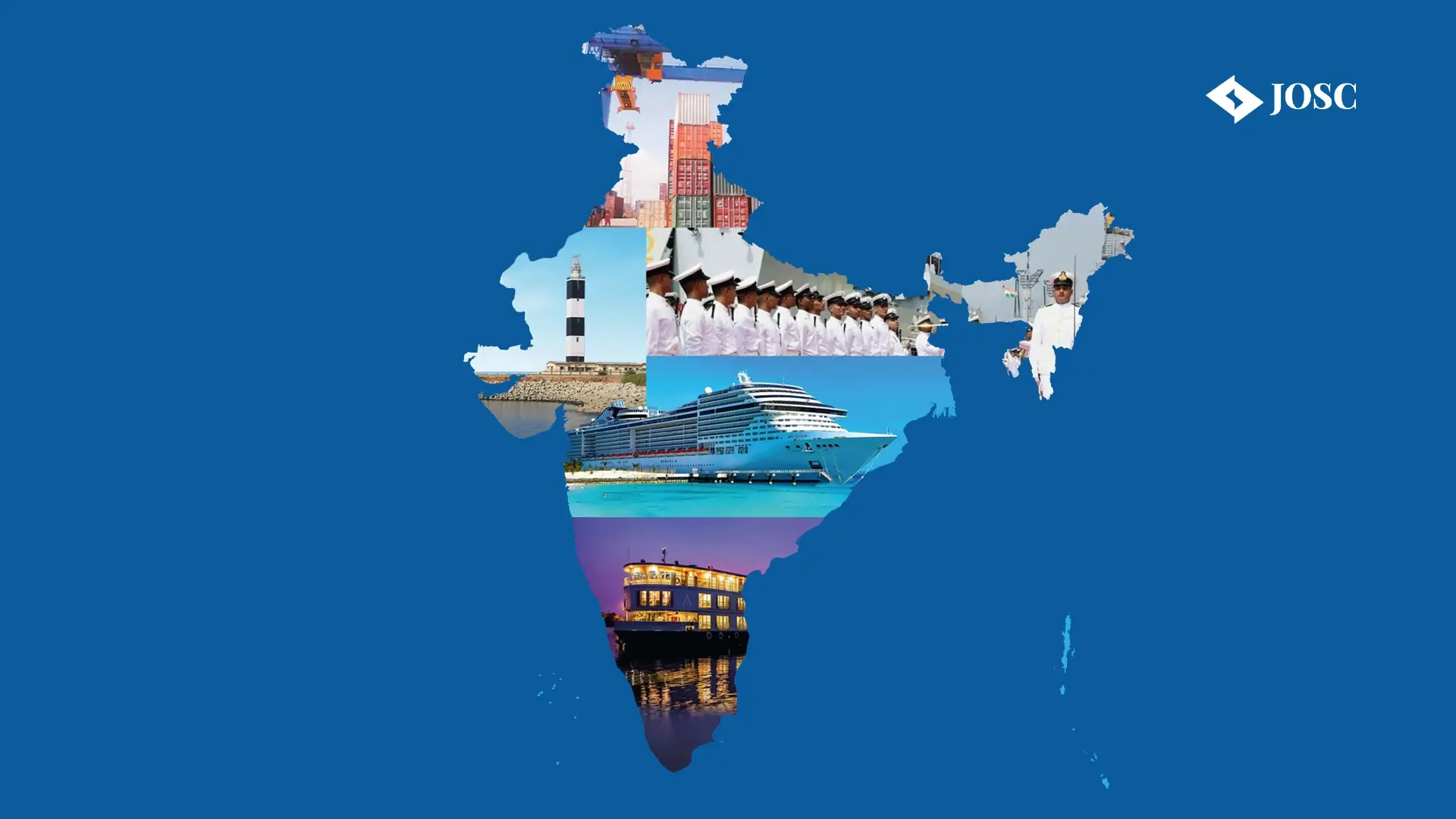
India has set sail on a bold and visionary path with the unveiling of the Maritime Amrit Kaal Vision 2047, a transformative roadmap launched by Hon’ble Prime Minister Shri Narendra Modi during the Global Maritime India Summit in October 2023. Rooted in the larger national aspiration of Amrit Kaal, this forward-looking maritime vision lays out a comprehensive strategy to elevate India into a global maritime powerhouse over the next 25 years.
With an estimated investment outlays of Rs 75-80 lakh Cr, the vision focuses on strengthening port infrastructure, enhancing shipbuilding capabilities, promoting sustainable and green practices, revitalizing inland and coastal waterways and reinforcing maritime security all while fostering international partnership and positioning India as a leader in the global maritime arena.
Port Modernisation & Capacity Expansion
At the heart of Maritime Amrit Kaal Vision 2047 lies a strong emphasis on port-led development, a critical pillar of India’s maritime resurgence. Blessed with a vast coastline stretching over 7,500 kilometres, India currently manages 12 major ports and around 187 non-major ports, forming the backbone of the country’s maritime logistics and trade.
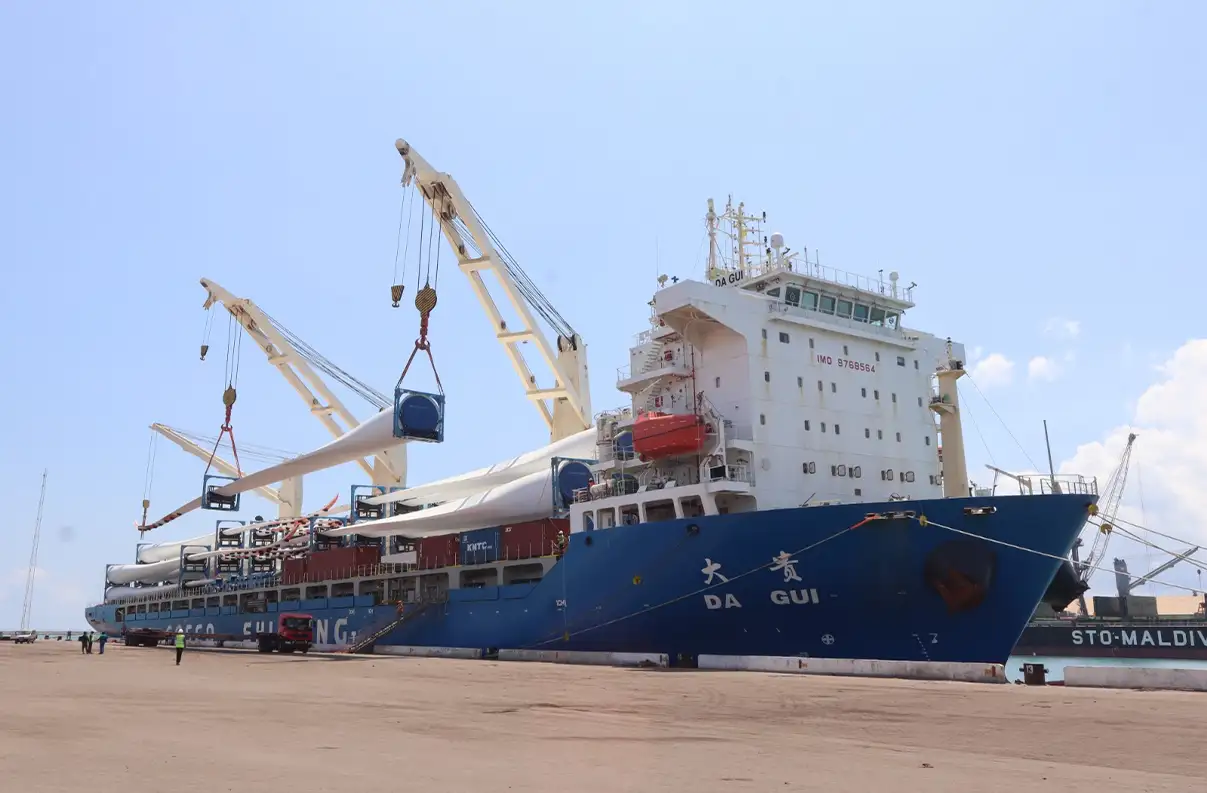
In just the past decade, there has been a remarkable upswing in port performance. Cargo traffic at major ports has more than doubled, rising from 745 million tonnes in 2013 to over 1,600 million tonnes per annum (MTPA) by 2023. Operational efficiency has also improved significantly, with the average turnaround time for ships at major ports coming down sharply from 127 hours to nearly 53 hours, showcasing the strides made in digitalisation, mechanisation, and procedural reforms.
Looking ahead to 2047, the Vision sets an ambitious target to ramp up India’s port handling capacity to 10,000 MTPA. To realise this, several mega port development projects are being undertaken. Among the flagship initiatives is the Vadhavan Port in Maharashtra a deep-draft, all-weather greenfield port being jointly developed by Jawaharlal Nehru Port Authority (JNPA) and the Maharashtra Maritime Board, with a planned investment of ₹76,220 crore. Once operational, it is expected to handle over 23 million TEUs (Twenty-foot Equivalent Units) annually by 2040, making it one of the top container ports globally.
Another strategically important project is at Galathea Bay in the Andaman & Nicobar Islands, envisaged to serve as a transshipment hub and bolster India’s presence in the Indo-Pacific maritime space. Besides these, major capacity augmentation efforts are underway at key ports including Deendayal (Kandla), Paradip, Tuticorin (VOC Port), Chennai, and Visakhapatnam, all aimed at transforming India into a global maritime and logistics hub by 2047.
Conference

Conference

Sustainable Shipping & Green Ports
Environmental sustainability forms a central pillar of the Maritime Amrit Kaal Vision 2047, reflecting India’s firm commitment to building a green and future-ready maritime sector. Recognising the urgent need to reduce the environmental footprint of ports and shipping, the Government of India has introduced the Harit Sagar Green Port Guidelines, aimed at cutting down carbon emissions, boosting energy efficiency, and encouraging the adoption of clean technologies at major ports.
Leading the green transformation, ports such as Deendayal (Kandla), Paradip, and V.O. Chidambaranar (Tuticorin) are being developed into green hydrogen and ammonia hubs under the ambit of the National Hydrogen Mission, positioning India at the forefront of the global shift towards clean fuels.
In line with these green ambitions, the Green Tug Transition Programme has been launched to phase out conventional diesel-powered tugs and replace them with eco-friendly alternatives, reducing port-side emissions significantly. Further, the recently unveiled Harit Nauka Guidelines aim to put over 1,000 green vessels into service by 2029, revolutionising inland and coastal shipping with cleaner, sustainable craft that align with international environmental standards.
Cruise Tourism & the Blue Economy
Complementing its sustainable port and shipping goals, India is also charting a bold course in cruise tourism, seeking to harness its vast coastline and strategic maritime geography. Under the Cruise Bharat Mission, launched in September 2024, the government envisions doubling cruise passenger numbers by 2029, supported by the development of six international cruise terminals across key coastal cities.
This growth in cruise tourism is part of a wider push to unlock the potential of the Blue Economy a holistic strategy that leverages India’s rich marine resources for sustainable economic development, job creation in coastal regions, marine biotechnology innovation, and the conservation of marine ecosystems.
Together, these initiatives aim to not only modernise India’s maritime sector but also to ensure that the growth is inclusive, sustainable, and globally competitive, firmly anchoring India’s emergence as a maritime power during the Amrit Kaal.
Shipbuilding, Ship Repair & Tonnage Growth
India’s shipbuilding and ship repair sector, though strategically important, currently accounts for less than 1% of global fleet tonnage, placing it well behind maritime powerhouses such as China, South Korea, and Singapore. Recognising this gap and the immense potential for domestic growth, the Government of India is taking decisive steps to revitalise this sector through a comprehensive Shipbuilding & Ship Repair Policy under the Maritime Amrit Kaal Vision 2047.
The roadmap includes the development of four dedicated shipyard clusters strategically located to leverage existing infrastructure and coastal connectivity. To make Indian shipyards globally competitive, the government is rolling out financial support schemes offering subsidies in the range of 15% to 20% on shipbuilding contracts. In addition, the existing shipbuilding incentives and fiscal support mechanisms will be extended till at least 2036, ensuring long-term policy stability for investors and shipbuilders.
The ultimate vision is to position India among the top five nations globally in both shipbuilding and ship recycling by the year 2047. With a burgeoning demand for new vessels particularly green and smart ships and increasing global focus on sustainable maritime logistics, the sector holds an estimated economic potential of over ₹20 lakh crore.
This focused push is not only aimed at boosting indigenous manufacturing and reducing reliance on foreign yards but also at creating high-value jobs, promoting technological innovation, and strengthening India’s maritime self-reliance as envisioned under the Atmanirbhar Bharat initiative.
Digitalisation & Smart Maritime Infrastructure
At the core of the Maritime Amrit Kaal Vision 2047 lies a strong thrust on technological innovation, aimed at transforming India’s maritime ecosystem into a modern, efficient, and digitally integrated network. Recognising the role of technology as a key enabler of growth and competitiveness, the government is spearheading the adoption of next-generation solutions across ports, shipping, and logistics.
Smart port management systems are being deployed to optimise operations and reduce human intervention. Cutting-edge technologies such as AI-driven berth allocation, digital twins for port infrastructure simulation, drone-based inventory control, and computer vision-powered e-Gates are already being introduced across major ports to improve turnaround time, enhance safety, and boost overall efficiency.
To streamline trade and improve transparency, the National Logistics Portal – Marine 2.0 is set to be launched by 2026, offering a single digital interface for all maritime stakeholders. Complementing this will be the Maritime Single Window System, which will integrate customs, cargo movement, documentation, and port operations into one unified digital platform. This integrated approach is expected to drastically reduce dwell times, cut operational bottlenecks, and significantly enhance the ease of doing business for domestic and international players.
Through these forward-looking digital interventions, India is laying the foundation for a smart, secure, and future-ready maritime sector, aligned with global best practices and the broader goals of the Digital India and Make in India missions.
Island Development & Coastal Community Upliftment
The development of island territories is a strategic priority. As highlighted in the Economic Survey 2023–24, projects in the Andaman & Nicobar and Lakshadweep Islands include eco-tourism hubs, ship repair yards, maritime training academies, and seaplane manufacturing facilities. Free Trade Zones are also being considered in Gujarat and island regions to unlock local economic potential and reinforce India’s maritime positioning in the IOR.
Employment Generation, Investments & Global Partnerships
The development of India’s island territories has emerged as a key strategic priority under the Maritime Amrit Kaal Vision 2047, with a dual focus on economic growth and national security. As underscored in the Economic Survey 2023–24, the Andaman & Nicobar Islands and the Lakshadweep Islands are being positioned as crucial nodes in India’s maritime strategy, especially in the context of the Indo-Pacific and Indian Ocean Region (IOR).
Several transformative initiatives are underway in these island regions. Projects include the creation of eco-tourism hubs that promote sustainable development, the establishment of ship repair yards to reduce dependence on mainland facilities, and the setting up of maritime training academies to build skilled human capital. Additionally, plans for seaplane manufacturing and operations facilities are being advanced to improve regional connectivity and bolster tourism.
To further catalyse economic activity, Free Trade Zones (FTZs) are under active consideration both in strategic coastal states like Gujarat and in island territories to harness their geographic advantage, attract global investment, and unlock local entrepreneurial potential.
These efforts aim to not only integrate island economies into the national growth story but also to reinforce India’s maritime dominance in the IOR, strengthen its logistics and security footprint, and support the broader vision of Viksit Bharat by 2047.
Addressing Challenges: The Path Forward
While the Maritime Amrit Kaal Vision 2047 marks a bold and progressive roadmap, the journey toward transforming India into a leading maritime nation is not without its challenges. Several systemic bottlenecks continue to hinder the sector’s full potential.
Key issues include last-mile connectivity gaps between ports and hinterland, especially for multimodal logistics; inadequate dredging infrastructure affecting draft availability at several ports limited access to affordable vessel financing, particularly for private and small-scale players; and a shortage of skilled maritime professionals to meet the growing demands of a modernised shipping and port ecosystem. To address these concerns, the government is implementing a series of targeted reforms, including Tax incentives for Indian shipowners and seafarers to improve global competitiveness and encourage fleet expansion under the Indian flag, GST rationalisation for shipbuilding, ship repair, and coastal shipping to streamline tax compliance and reduce operational costs, granting “Infrastructure status” to the shipping sector, which would facilitate easier access to long-term financing and enable large-scale investment, strengthening MSMEs involved in ship components, marine equipment, and logistics services through policy support, easier credit access, and digital enablement, boosting maritime skilling and training institutions, with renewed focus on emerging areas such as green shipping, port automation, maritime law, and cyber-security.
These reforms aim to build a robust, inclusive, and future-ready maritime workforce and industry ecosystem, ensuring that India can confidently navigate the global maritime landscape and realise the full promise of its Vision 2047.
Steering Toward a Maritime Renaissance
India’s Maritime Amrit Kaal Vision 2047 is far more than a policy document, it is a national commitment to transformation, resilience, and resurgence. Rooted in the ethos of Atmanirbhar Bharat, the Vision represents a holistic blueprint to revitalise India's maritime sector and position it as a key engine of growth in the Amrit Kaal.
By harmonising efforts across port infrastructure development, green shipping, technological innovation, maritime security, employment generation, and global cooperation, the Vision seeks to firmly establish India as a leading maritime and blue economy power over the next two decades.
From building world-class ports and green hydrogen hubs to nurturing skilled professionals and integrating advanced digital platforms, the Vision is designed to unlock the vast potential of India's maritime geography and heritage.
With strong political will, active stakeholder participation, and an unwavering focus on self-reliance and sustainability, India is poised to reclaim its historic maritime legacy and emerge as a decisive global force by 2047, an era where the Indian Ocean truly becomes India’s ocean.
Explore the latest edition of Journal of Supply Chain Magazine and be part of the JOSC News Bulletin.
Discover all our upcoming events and secure your tickets today.
Journal of Supply Chain is a Hansi Bakis Media brand.
Leave Comment
Join the community of 150,000+ industry professionals
Subscribe to our Daily Newsletter
Subscribe For FreeBy continuing you agree to our Privacy Policy & Terms & Conditions
Latest



Feature Articles






Related