Article
Bihar's First Dry Port: State's Export Potential Sees a Game Changer
 Anamika Mishra,
Sub Editor
Anamika Mishra,
Sub Editor
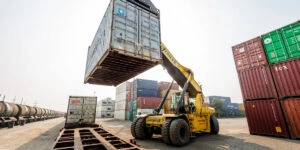
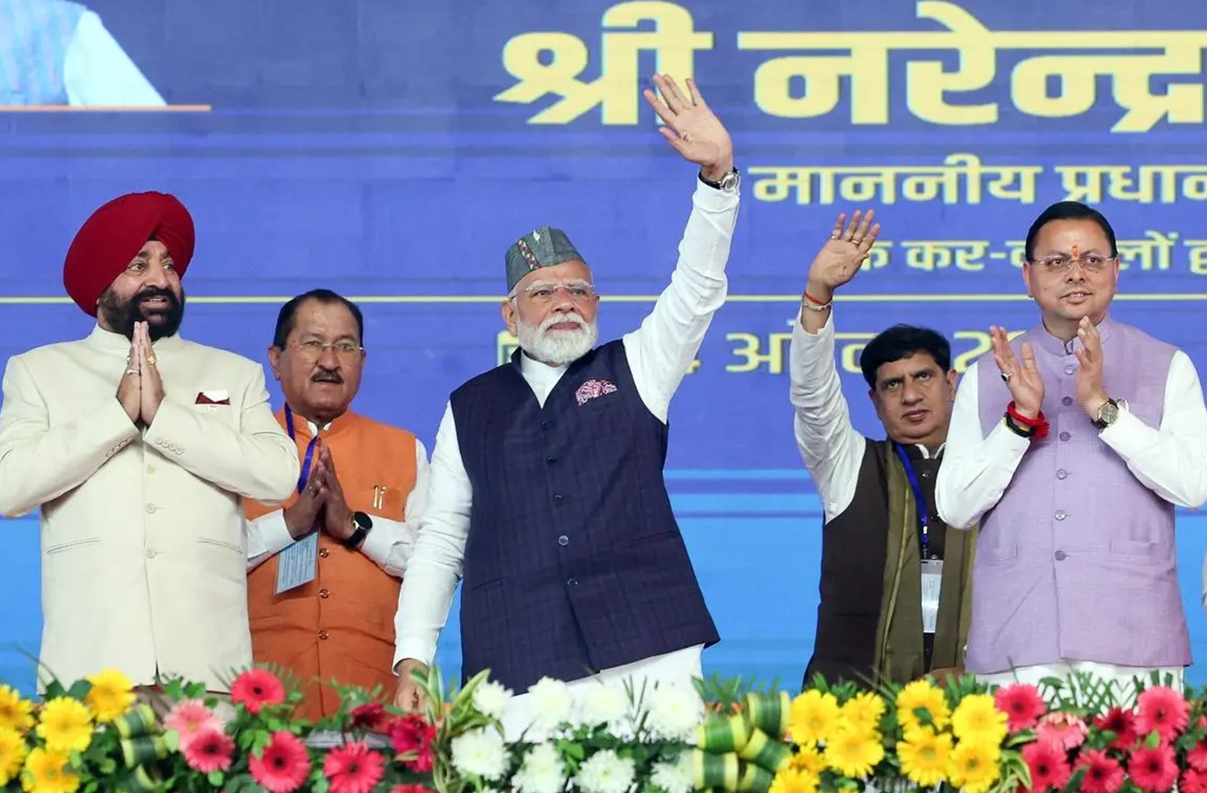
October 21, 2023, was a day to celebrate Bihar's march towards this economic development journey by holding out its first dry port ever for inauguration at Bihta. The new dry port is situated just a few kilometers from the state capital, Patna. The state's Industry Minister, Nitish Mishra, inaugurated the dry port, indicating that this development is crucial for augmenting Bihar's export capabilities, especially in areas where it enjoys a competitive edge. This article explains what a dry port is, why Bihar requires it, and how this new venture is going to transform Bihar's economic geography.
Understanding Dry Ports
A dry port, also known as an inland container depot or a customs station, is a place in a country from where export-import activities are to be carried out. It is essentially a multidimensional hub that connects the hinterland of that country with the seaport or the hub of the export/import destination.
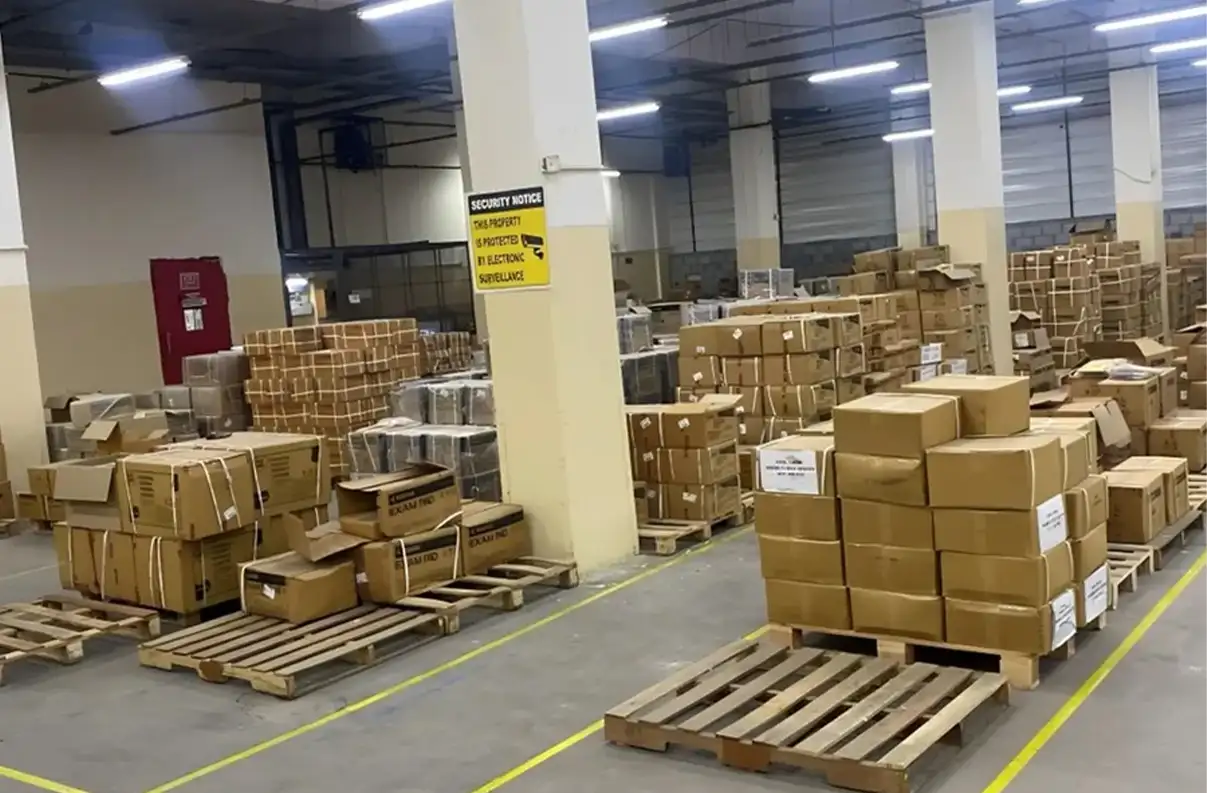
A dry port is also known as an inland container depot (ICD), referring to any facility running within a distance from the sea or airport that aids in cargo handling, storage, and movement. In this regard, the dry port plays a very crucial link between the sea or airports and the interior. Therefore, it enables efficient movement of goods. Dry ports allow consolidation of cargo coming from various shippers; hence, a large number of shipments can be collected in one place, which automatically streamlines the logistics process.
The main advantage of a dry port is handling customs clearance procedures, thus improving congestion at seaports and airports and hastening the entire supply chain. Establishing a dry port would more or less ease the dispersion of goods to their destinations as proximity to major transportation networks is improved. Dry ports also maximize cargo movement, eliminate delays, reduce logistics costs, and ensure local products are more competitive at worldwide levels.
Why Bihar Needs a Dry Port
Geographic location has been one major drawback that Bihar faces in trying to build a strong export infrastructure. Also, the manufacturing locations are spread out in diverse locations across the state. Therefore, there are many reasons why Bihar needs a dry port.
First, the state accommodates diverse agro-based products, garments, and leather items originating from diverse places. A centralized facility of logistics and export can organize the overall process and facilitate producers to reach global markets easily.
Second, Bihar has faced problems with good export facilities in the past. The Bihta dry port is an important move to eradicate the deficiency.
Third, the state is highly fertile in agricultural production and is hugely having rising industrial sectors. Bihar has immense unrealized export potential. A dry port will extensively enhance this potential.
Last but not least, by enhancing exports, a dry port facilitates the local and medium industries, which have relatively small businesses, to expand their business and stretch up to the international level.
Conference

Conference

Conference

Conference

Conference

Conference

Summit

The Bihta Dry Port: A Strategic Plan
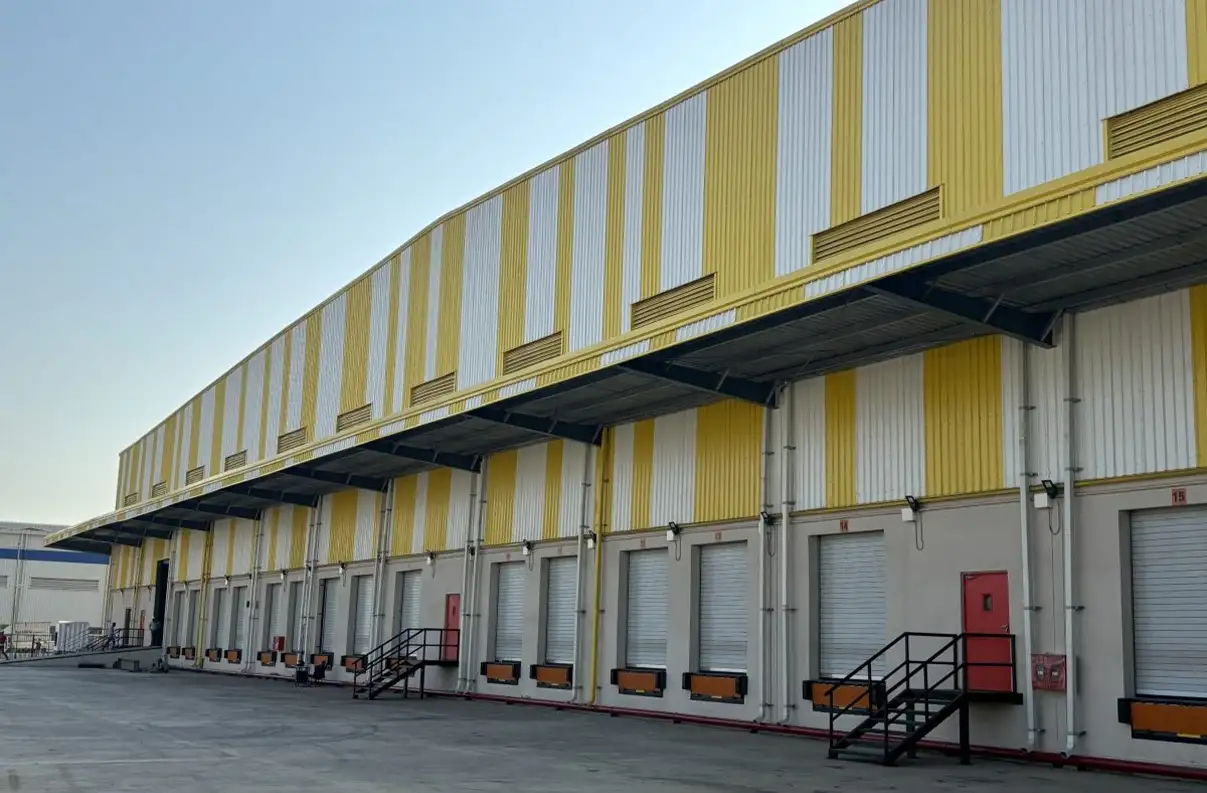
The seven-acre Bihta dry port is the first one in the country to follow the model of public-private partnership (PPP). Pristine Magadh Infrastructure Private Limited leads the venture in collaboration with the state industry department. It looks at the use of private sector efficiency and expertise to optimize the operations of the dry port.
A consignment of shoes made of leather that was exported from the Bihta dry port includes an export shipment sent to Russia. This early success shines a light on the port's potential for furthering international trade and supporting local manufacturers. Industry Minister Nitish Mishra said he believes the dry port could help place Bihar on the top of the export market players' list. Ever more, the state government is securing more land in building up its land bank to attract more investments from various partners, particularly in the leather and garment sectors. In the last couple of years, many investors have ventured to invest in leather manufacturing units in the state, reflecting greater interest in Bihar's industrial potential.
Exporting Bihar: Export Landscape of Bihar
As per the government statistics, Bihar exported commodities worth ₹20,000 crore in fiscal year 2022-23. Some of the major export items from Bihar are agro-based products like fruits and vegetables. Bihar is among one of the major producers of potatoes, tomatoes, bananas, litchis, and makhana. Maize is also a considerable exportable item from the state since 11 out of the 38 districts of Bihar engage in maize cultivation.
Another important development is the setting up of leather and garment units in districts like Muzaffarpur, East Champaran, and West Champaran. Regions like Vaishali, Nalanda, Patna, and Begusarai also have a sizable exportable surplus in food processing that could be further leveraged with better logistics and infrastructure. Among the other products exported from Bihar are sponge iron, packed food, waste paper, newsprint, rice, and meat, thereby making the production capability of the state rather diverse.
Challenges in Bihar's Exporting Sector
Given that these are the strengths, exporting from Bihar has had several challenges over the years. Infrastructure has been one such deficiency. Poor and slow connectivity by roads and rail affects the efficient movement of goods toward and away from production centers. Local producers frequently do not have the resources or capability to reach international markets, nor do they possess the capital to amplify operations. Complex customs and regulatory procedures create regulatory barriers that discourage some potential exporters from exporting. There has also been a lack of information among the producers on export opportunities and procedures leading to them.
Bihar Economy Impact of the Dry Port
Export potential at Bihar is expected to increase multifold with the setting up of the Bihta dry port. With better logistics and customs facilities, local producers can get access to the global market more efficiently and increase their competitiveness. This initiative is likely to attract more investments in Bihar's industrial sector. As the state government continues to promote investments in manufacturing, more specifically in leather and garments, a dry port will make this competition stronger for businesses to establish operations in Bihar. More export activity coupled with a new manufacturing unit will create local jobs. It will also strengthen the local economy and reduce the level of unemployment at the state level. This dry port will also be a much-needed succor to the local industries, especially the small and medium enterprises, where easier access to the market through them would allow the businesses to take up larger operations, increase productivity, and gain more presence in the market.
The dry port, geared toward agro-based exports, will provide farmers and producers with better access way into the markets and therefore assist them in selling their products more efficiently. This is likely to increase farmers' incomes as well as investment in farm practices.
The opening of Bihar's first dry port at Bihta will mark a revolutionary step in changing the state's economic scenario.
It addresses long-standing deficiencies in infrastructure, enhances export capacities, and contributes importantly to local industries. Bihar's future steps in developing its logistics and export infrastructure are sure to place the dry port right at the very center of development for a brighter future for the economy of the state. With the right kind of support and strategic investment, Bihar can be placed on the world export map with a massive production capability that is so far untapped. In this regard, Bihar's initiative is not just another chapter of economic development but a part of a much wider vision for the integration of the state into national and international trade networks. The future promises well, and Bihar will realize its role as an exporting and manufacturing hub in the next few years if proper efforts are made toward that end.
Explore the latest edition of Journal of Supply Chain Magazine and be part of the JOSC News Bulletin.
Discover all our upcoming events and secure your tickets today.
Journal of Supply Chain is a Hansi Bakis Media brand.
Leave Comment
Join the community of 150,000+ industry professionals
Subscribe to our Daily Newsletter
Subscribe For FreeBy continuing you agree to our Privacy Policy & Terms & Conditions
Latest



Feature Articles


Related