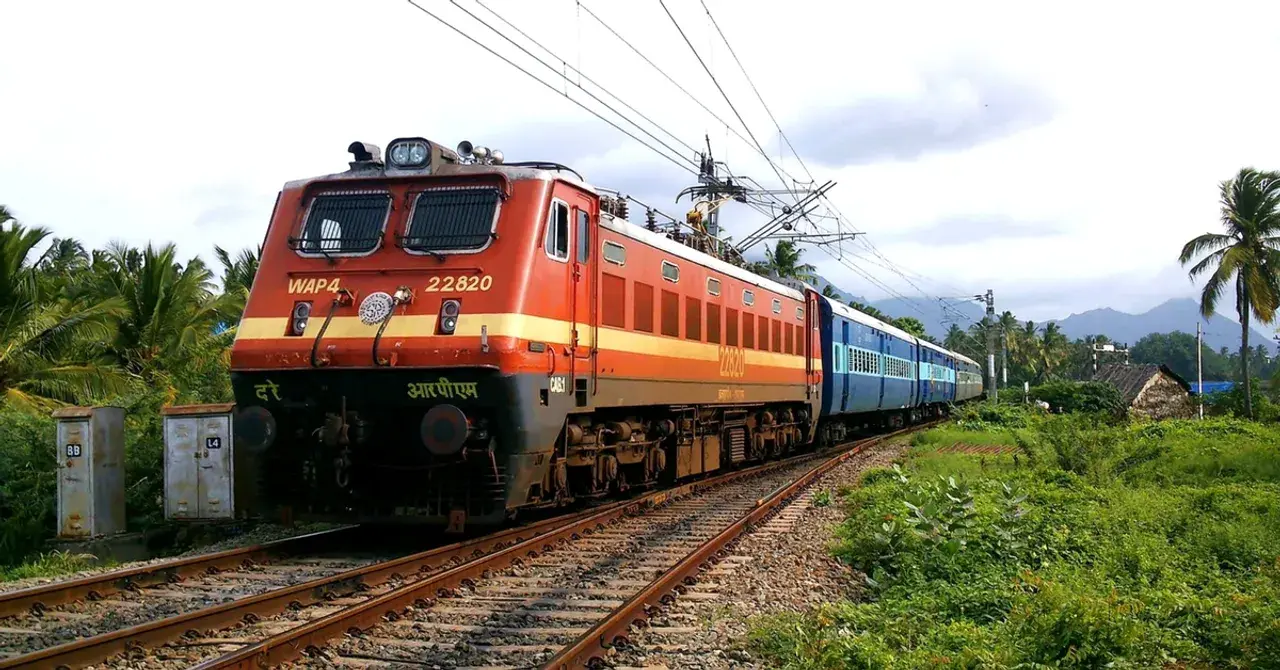
Once the lifeline of India's freight forwarding sector, the Indian Railways is witnessing a steady decline in its share of goods transport. In the 1990s, the rhythmic passage of coal-laden trains defined the nation’s industrial momentum, serving sectors like coal, steel, cement, and iron. But three decades later, the story has shifted dramatically. Despite mega infrastructure projects like the Dedicated Freight Corridor (DFC) and heavy investment in freight systems supply chain solutions, industries are increasingly choosing trucks over trains.
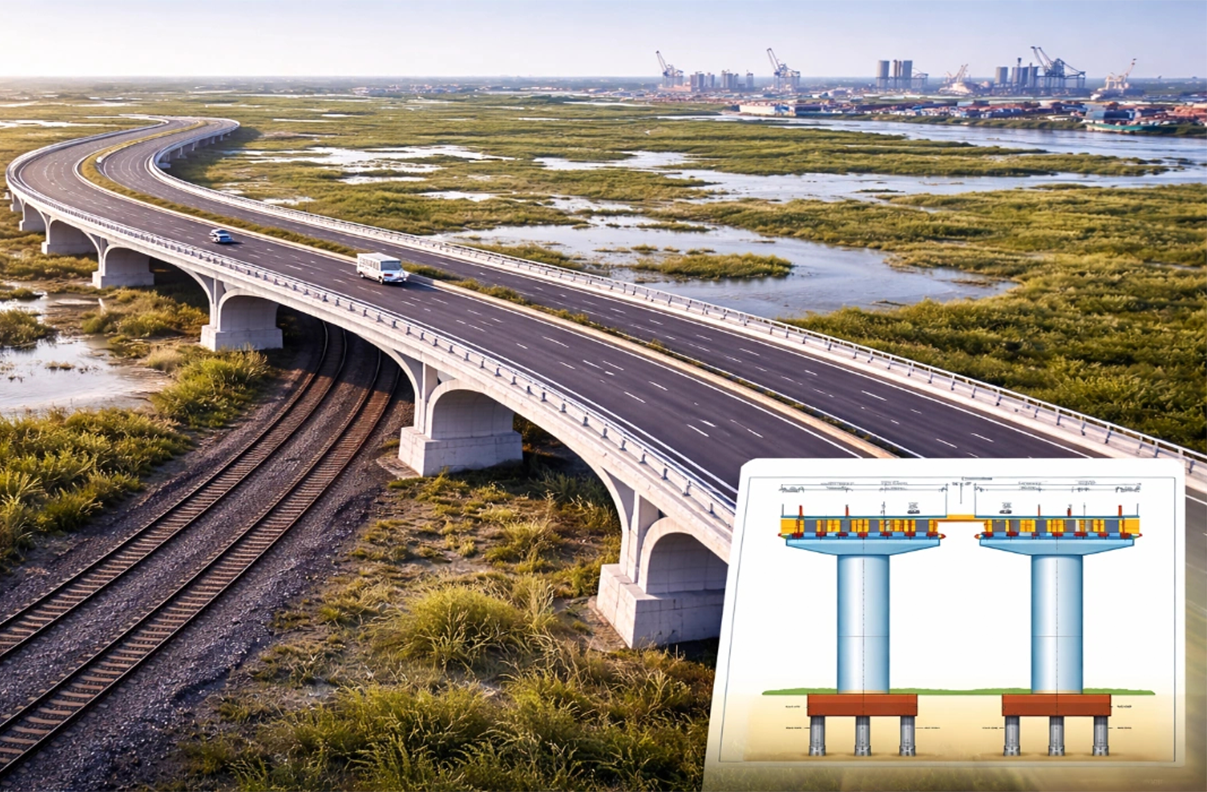
This transition is reshaping India's supply chain and freight forwarding dynamics. Freight forwarding in logistics, especially for high-value and time-sensitive cargo, is now being dominated by road transport. Faster turnaround times, door-to-door delivery, and flexibility have made trucks the preferred choice—even for bulk materials traditionally moved by rail.
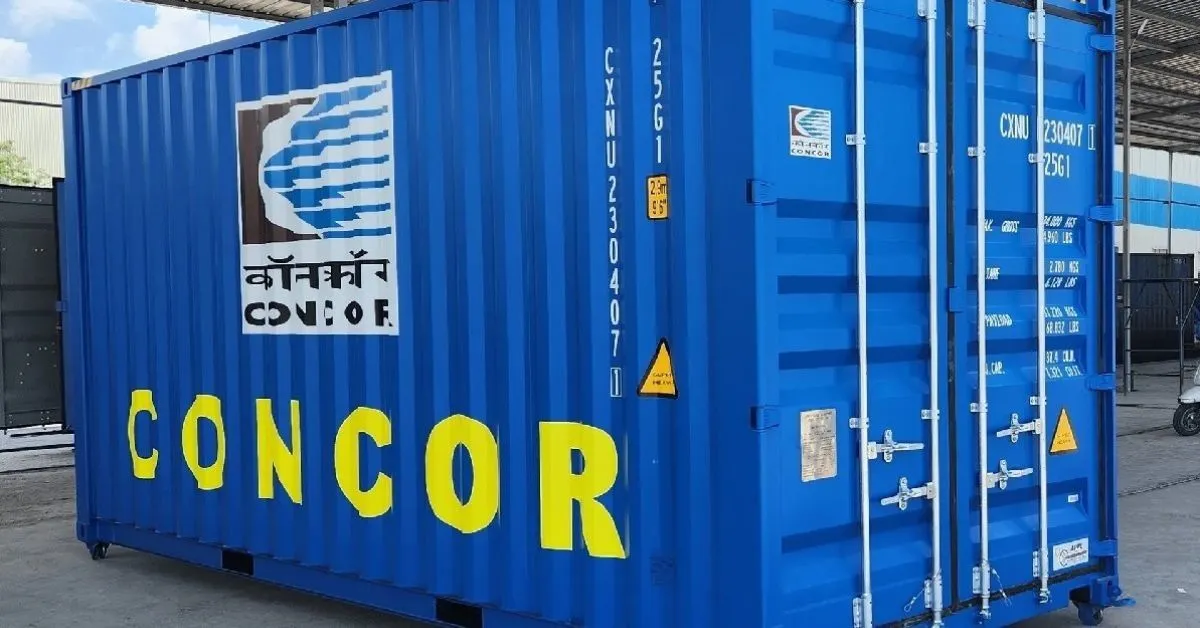
Even ocean freight forwarding companies are reporting declining container volumes arriving by train to ports, as roadways take precedence in the freight handling process at Indian ports. The railways' share in supply chain management freight forwarding has stagnated, raising concerns about return on investments in rail infrastructure.
As the logistics sector evolves, the future may hinge on integrating supply chain and freight forwarding strategies that balance speed, cost, and sustainability across road, rail, and sea. For now, the road seems to be winning the race.
Explore the latest edition of Journal of Supply Chain Magazine and be part of the JOSC News Bulletin.
Discover all our upcoming events and secure your tickets today.
Journal of Supply Chain is a Hansi Bakis Media brand.
Subscribe to our Daily Newsletter
Subscribe For FreeBy continuing you agree to our Privacy Policy & Terms & Conditions