News

VLCC insurance jumps as freight rates escalate due to tensions

June 19, 2025 3 min read
author Anamika Mishra, Sub Editor

A sudden Israeli airstrike on June 13 has sharply escalated tensions with Iran, pulling the long-simmering standoff into open conflict and shaking global oil and shipping markets. The immediate aftermath saw Brent crude spike nearly 10% intraday to $76 per barrel, but the more telling impact was seen in freight rates and maritime insurance costs. Charterers and shipowners reacted quickly, pricing in heightened risk across the Strait of Hormuz, a key artery for global energy flows, despite its remaining technically open.

War-risk insurance premiums surged overnight. For instance, the cost to insure a Very Large Crude Carrier (VLCC) on the Ras Tanura–Ningbo route jumped from $0.25 to $0.70–$0.80 per barrel. Standard contract terms have changed, with 96-hour cancellation clauses now common. Freight markets also tightened, with TD3C rates for July crude shipments rising by eight World scale points to WS 65. Meanwhile, long-range product tankers (LR2s) departing from the Arabian Gulf to the UK now face a $600,000 premium if charterers opt to reroute via the Cape of Good Hope. Several super tanker deals have already been repriced mid-voyage due to risk surcharges, and owners are demanding partial pre-payments.

The liquefied natural gas (LNG) market has shown even greater sensitivity. While physical flows continue from Qatar and the UAE, which together supply nearly 18% of global LNG, risk premiums are rising fast. China, which imports 26.9 million tonnes of LNG per year from the Gulf, faces potential disruption. The Japan-Korea Marker (JKM) price is already near $12.8/MMBtu and could reach the mid-teens if shipments are delayed. In parallel, charter rates for modern dual-fuel LNG carriers capable of diverting via East Africa have risen to about $110,000 per day, reflecting deep uncertainty.


Although Iran has stated that pipelines remain operational and satellite imagery shows no major disruptions, global markets are factoring in possible shutdown scenarios. Analysts estimate that a two-week closure of the Strait of Hormuz could remove up to 6 million barrels per day of crude and refined products from global supply. Such a supply shock would likely drag OECD inventories below the five-year average within six weeks and push Brent prices toward the mid-$90 range. Freight rates across crude, product, and LNG segments would likely remain elevated in this scenario.

Compounding concerns, the security threat is spreading beyond the Gulf. Mitsui O.S.K. Lines has issued a fleet-wide safety advisory, while the UK Maritime Trade Operations (UKMTO) has warned of drone activity and fast-boat sightings in the Red Sea raising the specter of renewed threats to commercial vessels in that region. Each layer of precaution is lengthening voyages, delaying cargo discharge, and effectively tightening global tanker supply. This is inflating rates not only for VLCCs and LR2s but also for MR tankers scrambling to adjust to disrupted global routing patterns.

In summary, the Israel-Iran escalation has sent shockwaves through global energy and shipping markets. Even in the absence of direct infrastructure damage, the perceived threat to key maritime corridors is driving up oil prices, insurance premiums, and charter rates, while exposing the fragility of global supply chains in the face of geopolitical volatility.


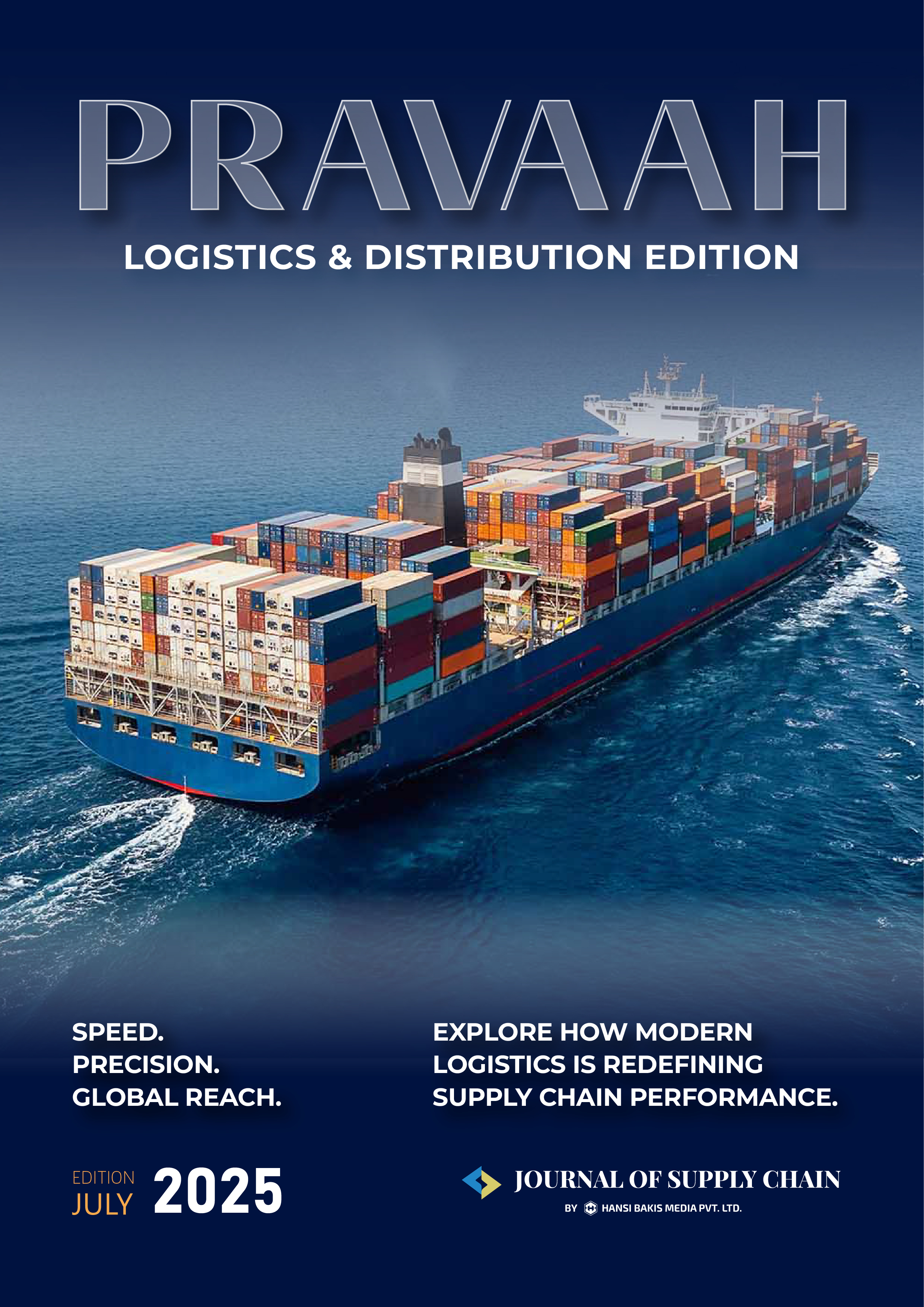
Explore the latest edition of Journal of Supply Chain Magazine and be part of the JOSC News Bulletin.

Discover all our upcoming events and secure your tickets today.


Journal of Supply Chain is a Hansi Bakis Media brand.

Leave Comment

logo

Subscribe to Our Newsletter

The week’s best stories, handpicked by JOSC editors in your inbox every week.

Stay informed with exclusive content