News
Vadhavan Port’s land survey commences
 Anamika Mishra,
Sub Editor
Anamika Mishra,
Sub Editor
Anamika Mishra,
Sub Editor
Anamika Mishra,
Sub Editor
The process to acquire 574-hectare land to connect the proposed offshore Vadhavan Port, near Dahanu in Palghar district, began on Monday with the National Highways Authority of India (NHAI), Indian Railways, and district officials visiting the area to measure the area.
“The survey will continue until Wednesday, December 18. Following the initial phase of commencement of the project on ground, land acquisition process will continue through correspondence and payment of compensation,” said Unmesh Sharad Wagh, chairman, Jawaharlal Nehru Port Authority (JNPA). Touted to be one of the largest ports in the world when ready, the first phase of the project is scheduled to be completed in 2029 and the second in 2039. However, local residents and environmentalists have been opposing the project for the last 25 years, ever since it was mooted in 1997.
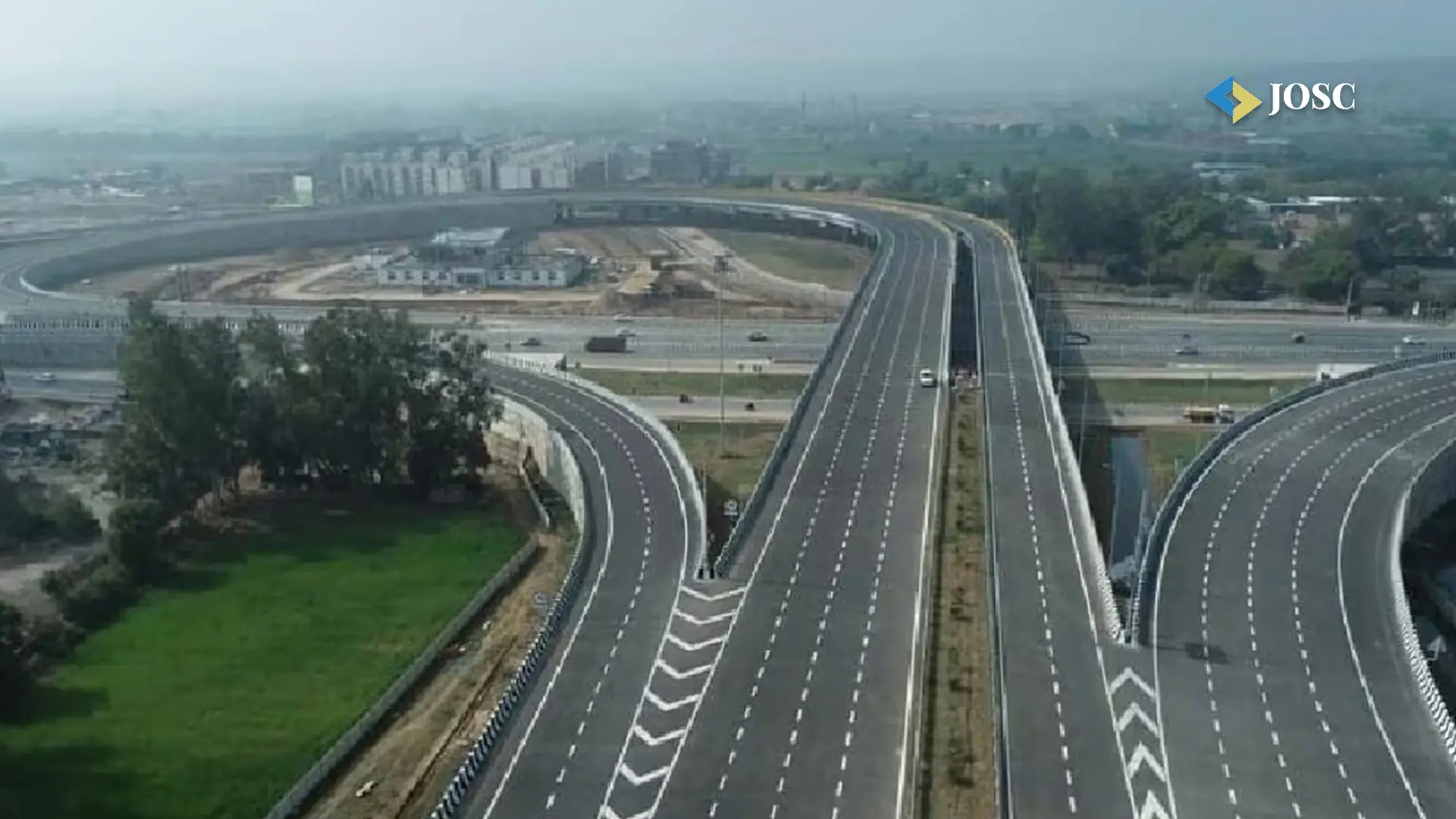
Of the 574 hectares, 50% land falls under forest while the remaining is owned by various private players. NHAI has applied for forest clearance to pave eight lanes of access-controlled highway to connect to the port. A total of 10,179 trees will be hacked to pave this route. Notices to the individual owners as well as commercial establishments were served earlier this year.
The port, when completed, will handle 23.2 million TEUs. TEUs (Twenty-foot Equivalent Unit) is a term used in shipping industry to measure cargo handling capacity.
The Vadhavan Port Project Limited, which is constructing the port, is a special purpose vehicle (SPV) with 74% stake with JNPA and 26% stake with the Maharashtra Maritime Board. The all-weather greenfield deep draft port is being built at an estimated cost of ₹76,220 crore and will be the 13th major port in India, and Maharashtra’s third.
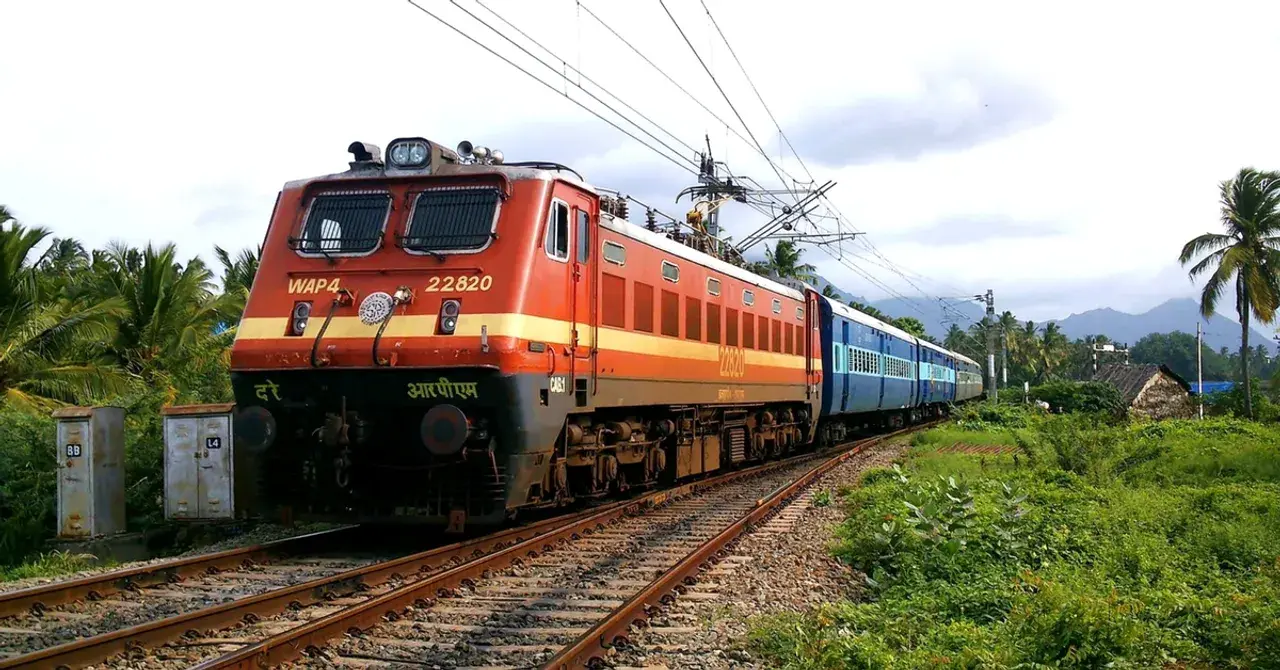
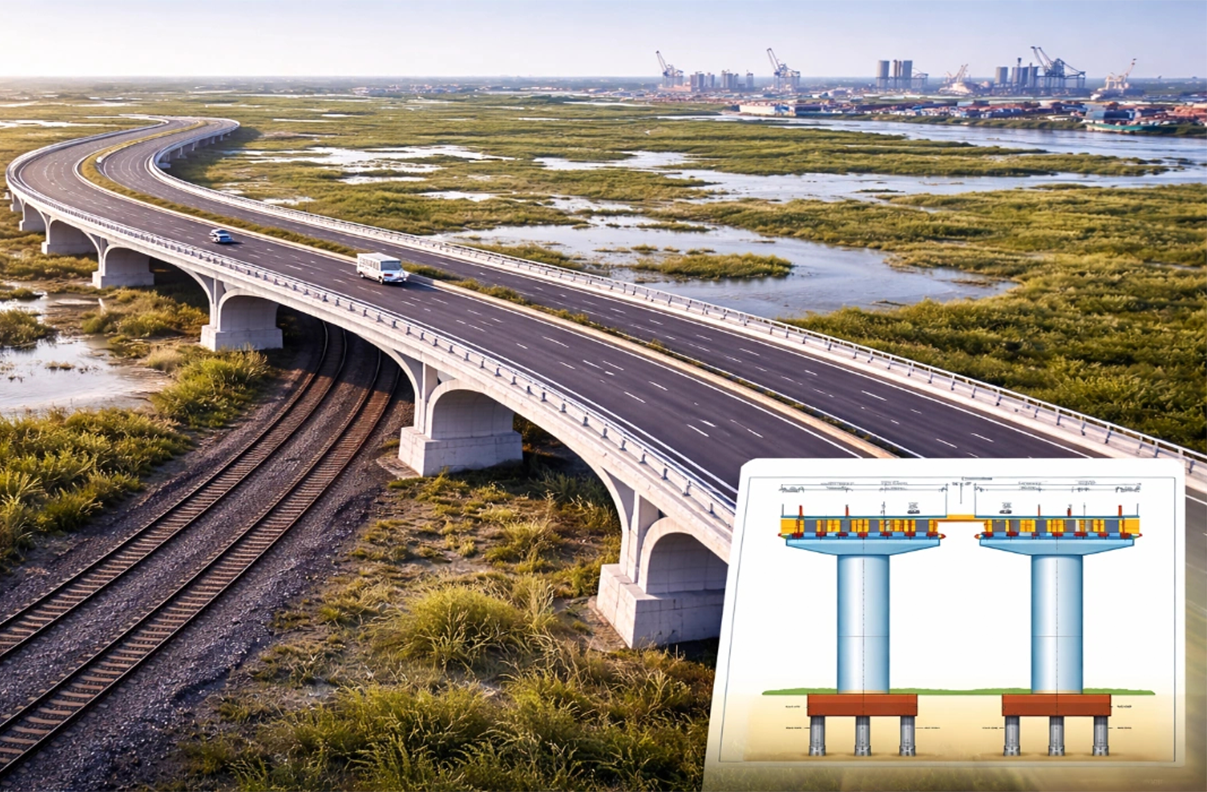
An arm of the dedicated freight corridor, Mumbai-Vadodara Highway and the under-construction Mumbai-Vadodara Expressway will be linked to the port. The road arm will be 32km and rail 12km long.
The offshore port project has three components - 15,363.5 hectare of waterfront, 1,488 hectare of intertidal zone that will be reclaimed, and 63.5 hectares berth zone.
The port will have nine container terminals, each of them 1km long, four liquid cargo berths, four multipurpose berths, a Ro-Ro berth and a coast guard berth. These will be developed and operated on a public-private partnership mode.su
Explore the latest edition of Journal of Supply Chain Magazine and be part of the JOSC News Bulletin.
Discover all our upcoming events and secure your tickets today.
Journal of Supply Chain is a Hansi Bakis Media brand.
Subscribe to our Daily Newsletter
Subscribe For FreeBy continuing you agree to our Privacy Policy & Terms & Conditions