News

Union Budget 2026-27 Measures to Strengthen India’s Export Ecosystem: Commerce Secretary

February 05, 2026 3 min read
author Anamika Mishra, Sub Editor
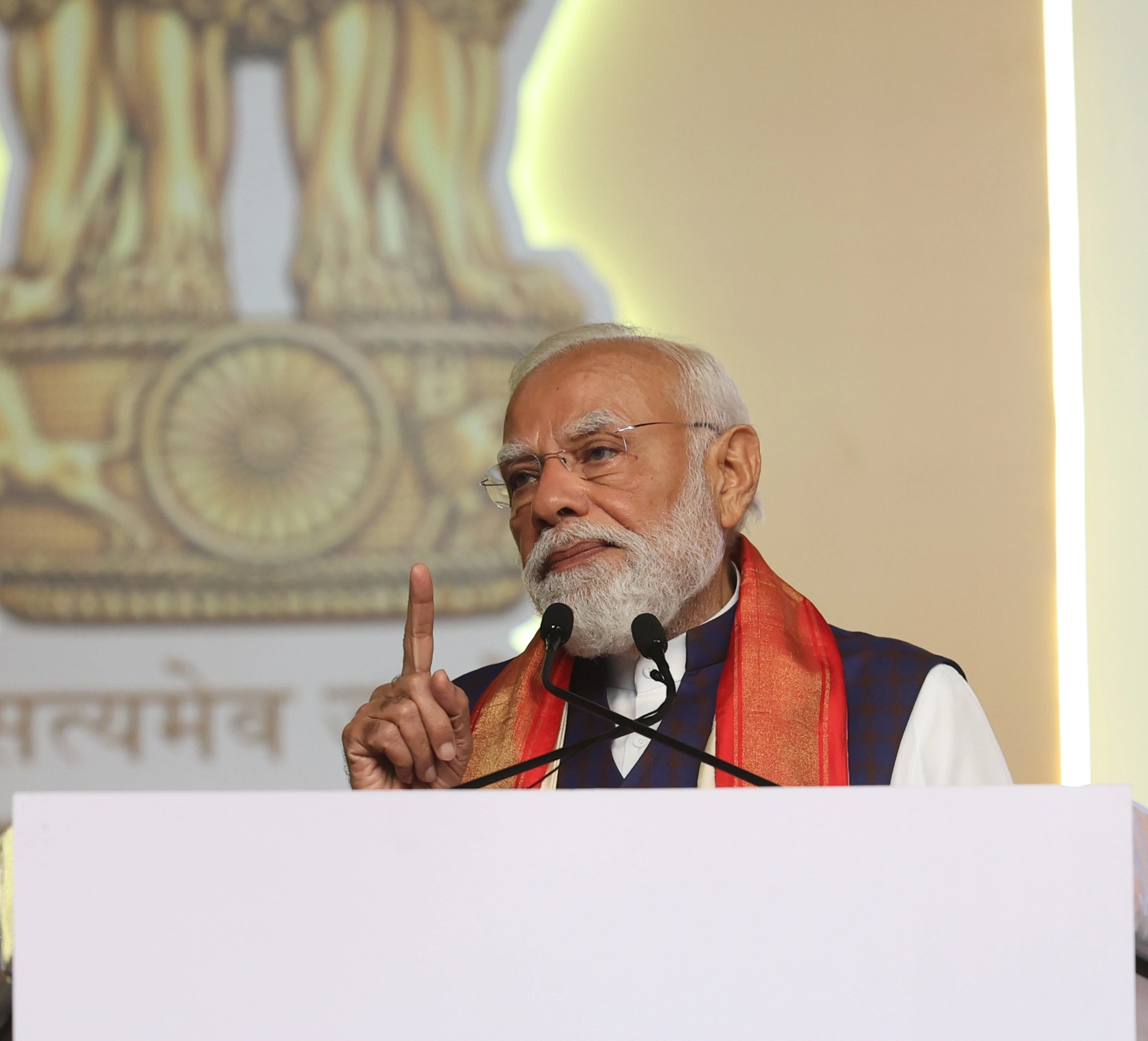
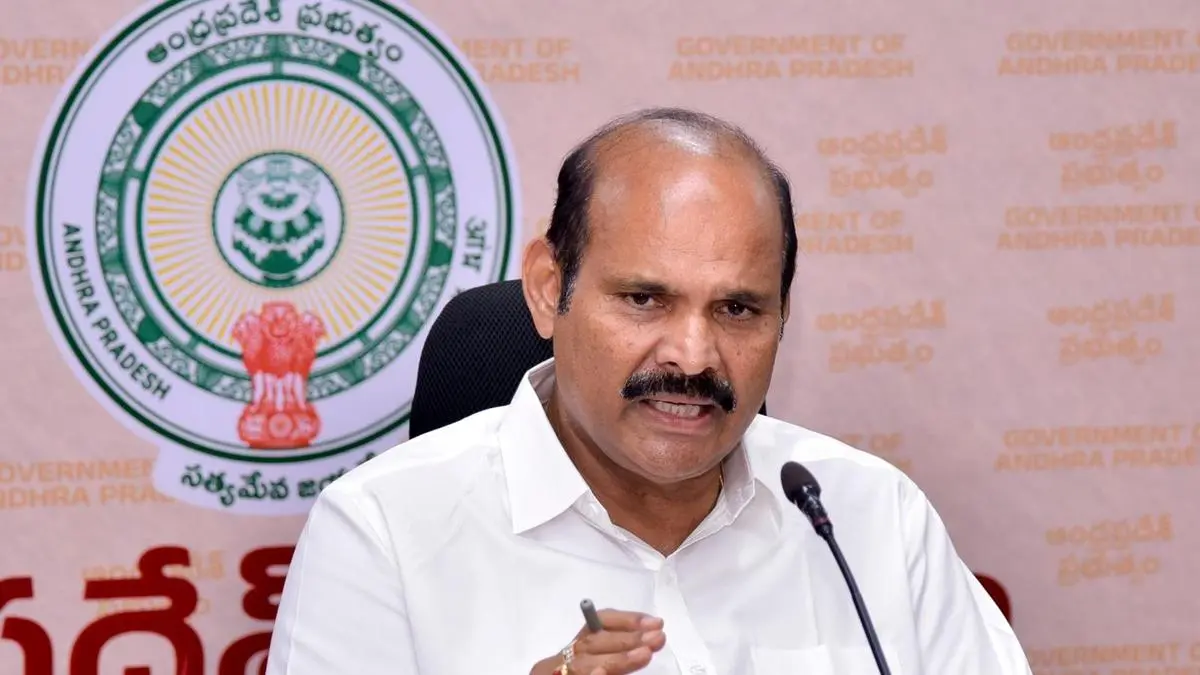
The Union Budget 2026-27 has outlined a series of measures aimed at strengthening India’s export ecosystem, with a focus on expanding manufacturing capacity and improving trade facilitation, Commerce Secretary Rajesh Agrawal said on Sunday, PTI reported.

He said the Budget provides targeted support for both labour-intensive industries and high-technology sectors, while policy initiatives on logistics and trade facilitation are expected to lower compliance burdens and help enhance India’s share in global trade. “It is an excellent Budget which provides strong systemic support to the trade ecosystem by focusing on manufacturing, trade facilitation and by opening up new areas. It will also help in trade diversification,” Agrawal told PTI.

The secretary said sector-specific announcements covering electronics, information technology, pharmaceuticals, marine products, leather, textiles and semiconductors are expected to further boost export competitiveness.

In a sector-focused move, Finance Minister Nirmala Sitharaman proposed duty-free imports of certain specified inputs to support leather exports. The step is aimed at providing relief to leather exporters who are facing steep US tariffs of around 50 per cent.

India’s leather and leather products exports slipped marginally by 0.23 per cent to $3.3 billion during April–December 2025-26, according to official data.

The commerce ministry said the proposed revival of 200 legacy industrial clusters through infrastructure development and technology upgradation is expected to bring down production costs, improve productivity and enhance the competitiveness of traditional export hubs.

It added that reforms in Special Economic Zones are intended to improve capacity utilisation, achieve economies of scale and strengthen the overall resilience of the SEZ ecosystem, while maintaining their export orientation.


“One-time facilitation for limited Domestic Tariff Area sales at concessional duties and extended tax incentives for cloud and data-centre operations are expected to attract global manufacturers and technology players to SEZs,” the ministry said.

The ministry also said the removal of the Rs 10 lakh value cap on courier exports will benefit small exporters and boost e-commerce-led shipments, while improved procedures for handling returned consignments will help reduce friction in global business-to-consumer trade.

Further, extensions of concessional customs duty regimes for gold and silver dore bars as well as lab-grown diamond inputs are expected to support domestic refining and value addition.

The government has also proposed targeted tax and regulatory reforms for IT and IT-enabled services, including unified classification of IT services, higher safe-harbour thresholds, automated approvals, faster Advance Pricing Agreements and long-term policy certainty, measures that are expected to enhance India’s appeal for Global Capability Centres and international service providers.


Explore the latest edition of Journal of Supply Chain Magazine and be part of the JOSC News Bulletin.

Discover all our upcoming events and secure your tickets today.


Journal of Supply Chain is a Hansi Bakis Media brand.

Leave Comment

logo

Subscribe to Our Newsletter

The week’s best stories, handpicked by JOSC editors in your inbox every week.

Stay informed with exclusive content