News
Unilever Accelerates Supply Chain Efficiency with Direct Dispatch Strategy
 Anamika Mishra,
Sub Editor
Anamika Mishra,
Sub Editor
Anamika Mishra,
Sub Editor
Anamika Mishra,
Sub Editor
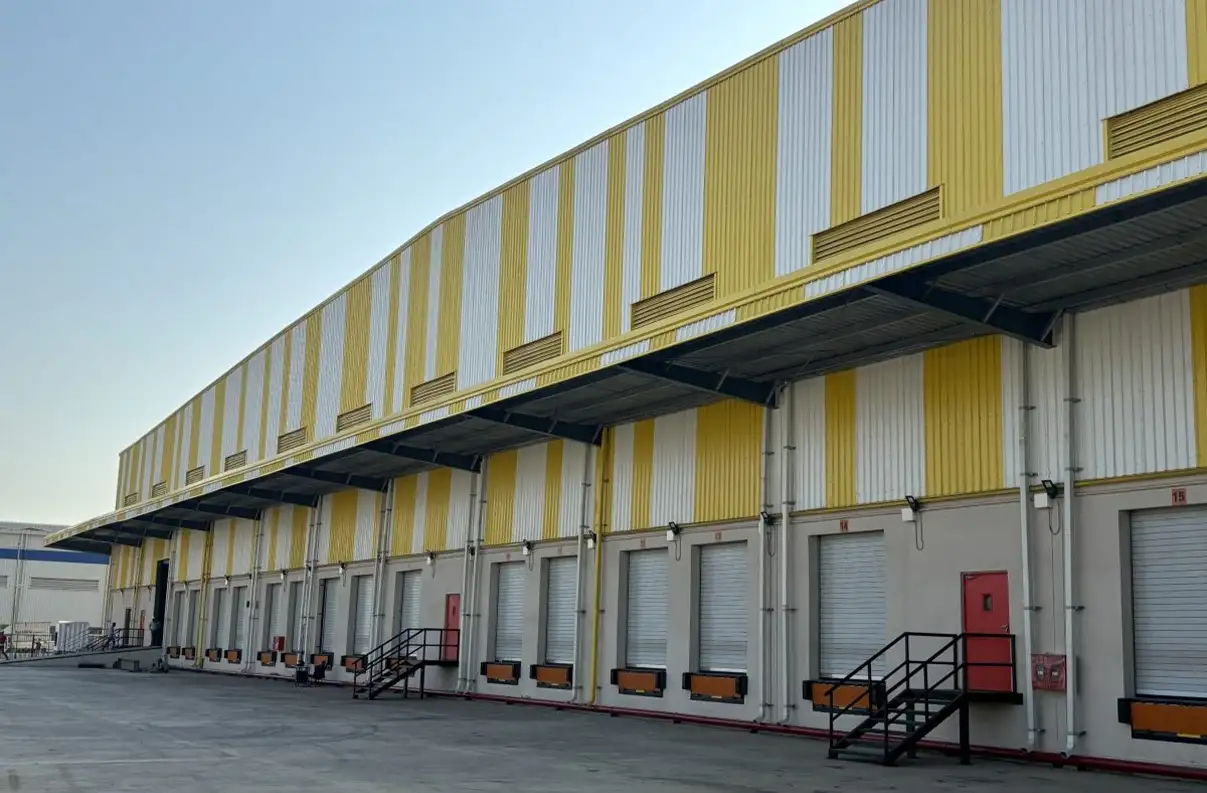
In a strategic move to enhance the efficiency of its logistics network, FMCG giant Unilever is increasingly adopting a 'direct dispatch' approach, which streamlines the journey of products from factory to customer. Traditionally, Unilever’s products move from the factory to a distribution center before being dispatched to retailers. However, by utilizing direct dispatch, Unilever aims to deliver products directly from the factory to the customer, bypassing distribution centers.
The advantages of this approach are clear: it speeds up the delivery process by reducing the need for intermediate storage and handling. Additionally, direct dispatch supports Unilever's sustainability goals by reducing the travel distance for trucks, thereby lowering fuel consumption and greenhouse gas emissions.
Michael O’Connor, Home Care Global Supply Chain Strategy & Long-Term Planning Manager at Unilever, highlights the dual benefits of this approach: "Direct dispatch allows us to increase efficiencies in our end-to-end supply chain, delivering cost savings and advancing our sustainability goals as part of our Growth Action Plan. It shortens travel time and reduces our carbon footprint, while also ensuring excellent service for our customers—a win-win for Unilever and our retail partners."
Unilever’s commitment to direct dispatch is evident in its growing adoption of the method. In 2018, only 8% of deliveries were made through direct dispatch; this figure has since doubled to 16%, with plans to exceed 25% by 2026.
The practice is particularly effective for Unilever's largest customers, especially in the Home Care division, where bulkier products like laundry detergents are often shipped in large quantities directly from factories. Unilever is implementing direct dispatch globally, with the highest adoption rates in Latin America and South Asia. Major infrastructure projects are underway in regions including Europe, North Asia, Indonesia, and Southeast Asia to further support this model.
"We’re continuously evaluating sites and routes worldwide to determine the best logistics solutions for each customer, whether through direct dispatch or traditional methods," adds O’Connor. "Each new implementation strengthens our logistics operations, making them more efficient, productive, and sustainable."
Explore the latest edition of Journal of Supply Chain Magazine and be part of the JOSC News Bulletin.
Discover all our upcoming events and secure your tickets today.
Journal of Supply Chain is a Hansi Bakis Media brand.
Subscribe to our Daily Newsletter
Subscribe For FreeBy continuing you agree to our Privacy Policy & Terms & Conditions