News
U.S. Retailers Rush Holiday Imports Amid Rising Shipping Costs and Potential Port Strike
 Anamika Mishra,
Sub Editor
Anamika Mishra,
Sub Editor
Anamika Mishra,
Sub Editor
Anamika Mishra,
Sub Editor
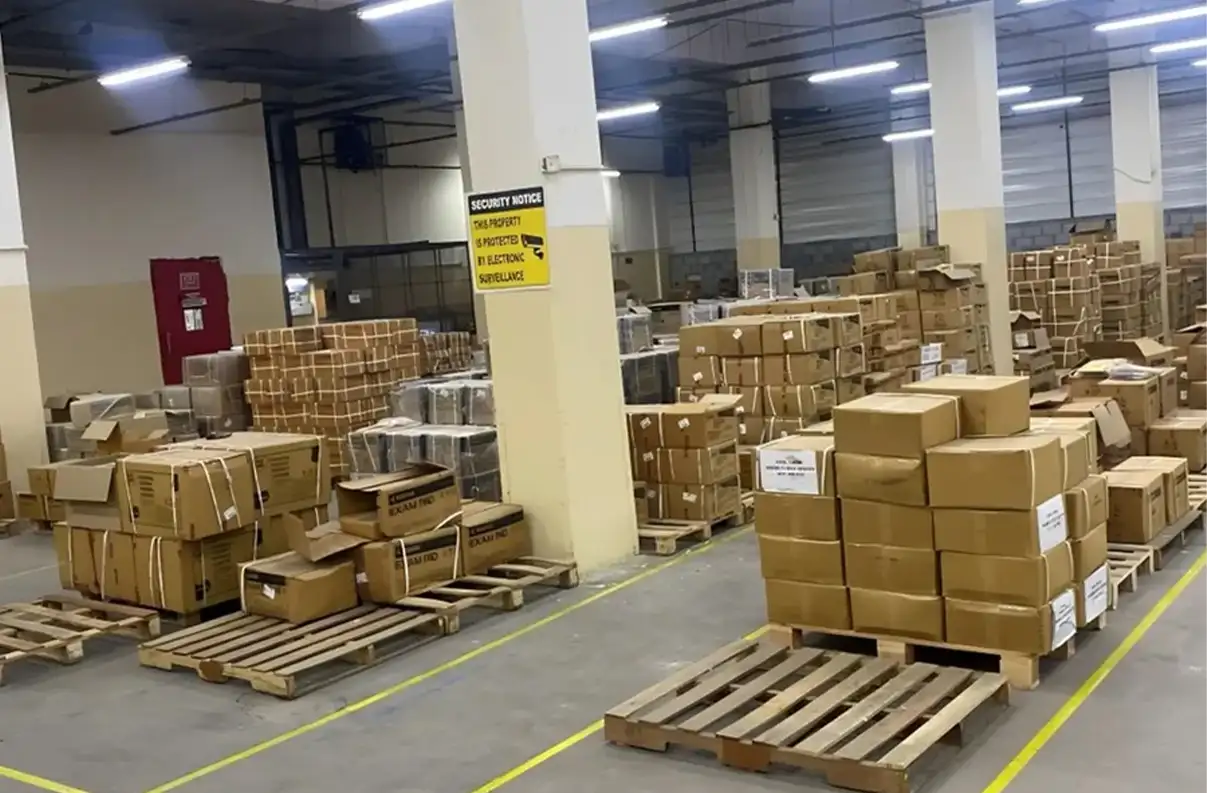
U.S. retailers are fast-tracking their summer import schedules due to fears of potential port worker strikes and ongoing disruptions in the Red Sea. These concerns come as they prepare for a shorter-than-usual holiday shopping season. In July, container imports and freight rates surged, signaling an early peak for the ocean shipping industry, which handles approximately 80% of global trade. Analysts anticipate that July will be the peak month for U.S. retailers, who account for roughly half of this trade, with August expected to follow closely behind.
To capitalize on early shoppers, companies importing toys, home goods, and electronics have moved up their holiday promotions. Jonathan Gold, Vice President for Supply Chain and Customs Policy at the National Retail Federation (NRF), highlighted that retailers are taking proactive steps to ensure they are well-prepared.
Many shippers have sped up their holiday orders, with some even sending Christmas merchandise as early as May, according to Peter Sand, Chief Analyst at Xeneta. This surge in imports is driven not by a boost in consumer spending—which has been limited by high inflation and interest rates—but by a need to protect against a potential port strike and a later-than-usual Thanksgiving on November 28, which shortens the peak shopping season.
In July, U.S. container imports reached 2.6 million 20-foot equivalent units (TEUs), marking the third-highest monthly volume on record and a 16.8% increase from the previous year, driven in part by record imports from China, as reported by Descartes Systems Group. The NRF, which includes executives from major retailers like Walmart, Target, Macy's, and Saks, also anticipates strong import activity in August. Retailers are particularly worried about a potential strike on October 1 at seaports from Maine to Texas, following stalled negotiations between the International Longshoremen's Association and the United States Maritime Alliance.
Maersk has issued a warning that a general work stoppage at U.S. Gulf and East Coast ports could lead to a recovery period of 4-6 weeks with significant backlogs. Although non-contract spot rates for containers from the Far East to the U.S. West Coast spiked by 144% between April and July, they have since decreased by 17%, with similar trends observed in other major shipping routes.
The industrial sector has played a significant role in U.S. container import growth in the first half of 2024, partly driven by looming tariffs on exports from China and other countries, set to be enforced later this year by the Biden administration. This tariff pull-through has particularly impacted imports of EV batteries and solar cells. Despite threats of additional tariffs by Donald Trump, the Republican frontrunner for the 2024 presidential election, businesses have remained relatively quiet.
Maersk CEO Vincent Clerc noted that the competitive dynamic between the U.S. and China is likely to continue regardless of the election outcome, with some demand potentially pulled forward due to tariff uncertainties leading up to the November election.
Explore the latest edition of Journal of Supply Chain Magazine and be part of the JOSC News Bulletin.
Discover all our upcoming events and secure your tickets today.
Journal of Supply Chain is a Hansi Bakis Media brand.
Subscribe to our Daily Newsletter
Subscribe For FreeBy continuing you agree to our Privacy Policy & Terms & Conditions