News
Trump’s tariffs may spike freight costs by 30%; India set to ride the supply chain shake-up
 Anamika Mishra,
Sub Editor
Anamika Mishra,
Sub Editor
Anamika Mishra,
Sub Editor
Anamika Mishra,
Sub Editor
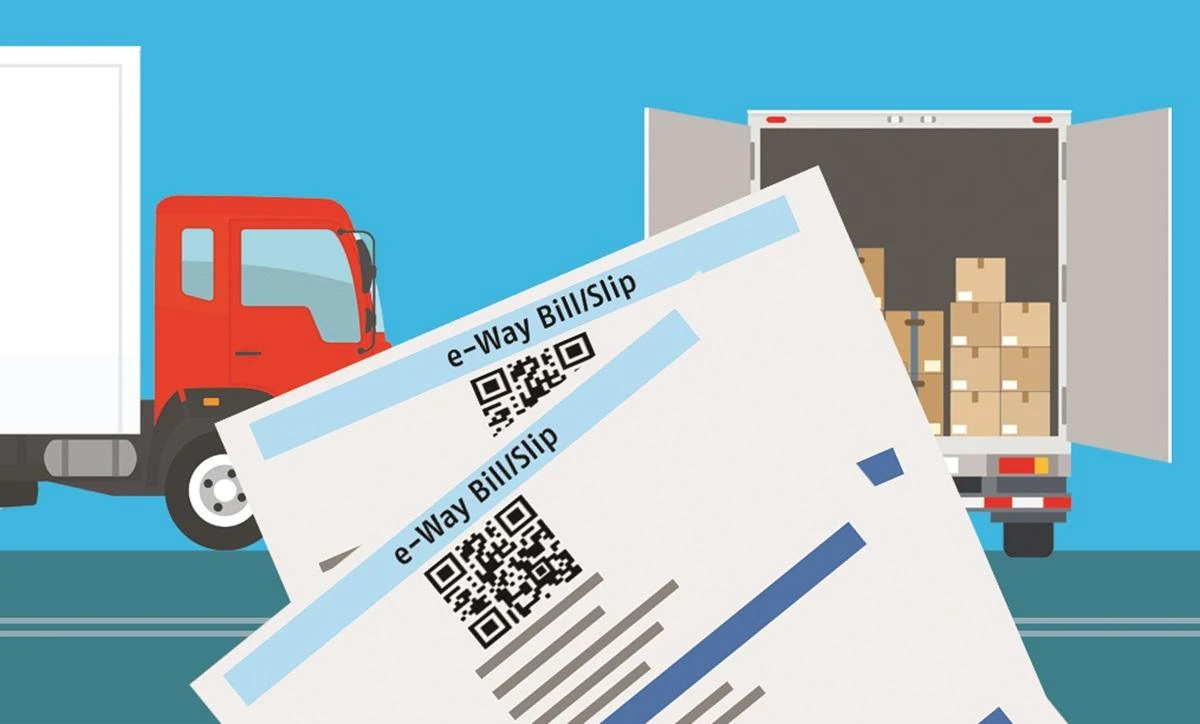
India’s shipping and logistics sector is navigating a complex landscape shaped by shifting global trade patterns, following the imposition of reciprocal tariffs by the Trump administration in the United States. These policy changes have significantly disrupted global supply chains, driving up freight costs and altering cargo volumes.
Conference
Conference
According to industry experts, Indian companies are experiencing heightened supply chain pressures, with freight costs projected to rise by as much as 30%. However, the situation also presents new opportunities for India to strengthen its position in the global trade ecosystem.
Stakeholders across the logistics industry agree that the tariffs have had far-reaching effects on interconnected supply chains, prompting a reevaluation of sourcing, production, and shipping strategies. As global manufacturers seek alternative trade routes and partners, India is poised to benefit from the realignment—provided it can adapt swiftly and invest in infrastructure and efficiency.
The current shake-up, while challenging, could accelerate India’s role as a key player in global supply chains, offering a competitive edge amid rising costs and changing trade alliances.
Explore the latest edition of Journal of Supply Chain Magazine and be part of the JOSC News Bulletin.
Discover all our upcoming events and secure your tickets today.
Journal of Supply Chain is a Hansi Bakis Media brand.
Subscribe to our Daily Newsletter
Subscribe For FreeBy continuing you agree to our Privacy Policy & Terms & Conditions