News
Q-Commerce Platforms Strengthen Food Safety Protocols Amid Contamination Concerns
 Anamika Mishra,
Sub Editor
Anamika Mishra,
Sub Editor
Anamika Mishra,
Sub Editor
Anamika Mishra,
Sub Editor
Recently, delivery shipments have started revealing unsettling surprises. Food items supplied by fast-commerce companies such as Zepto and Blinkit have been reported to contain a dead mouse, a centipede, and a human finger.
Due to these instances, the Food Safety and Standards Authority of India's (FSSAI) standards for food safety have come under heavy criticism for being neglected.
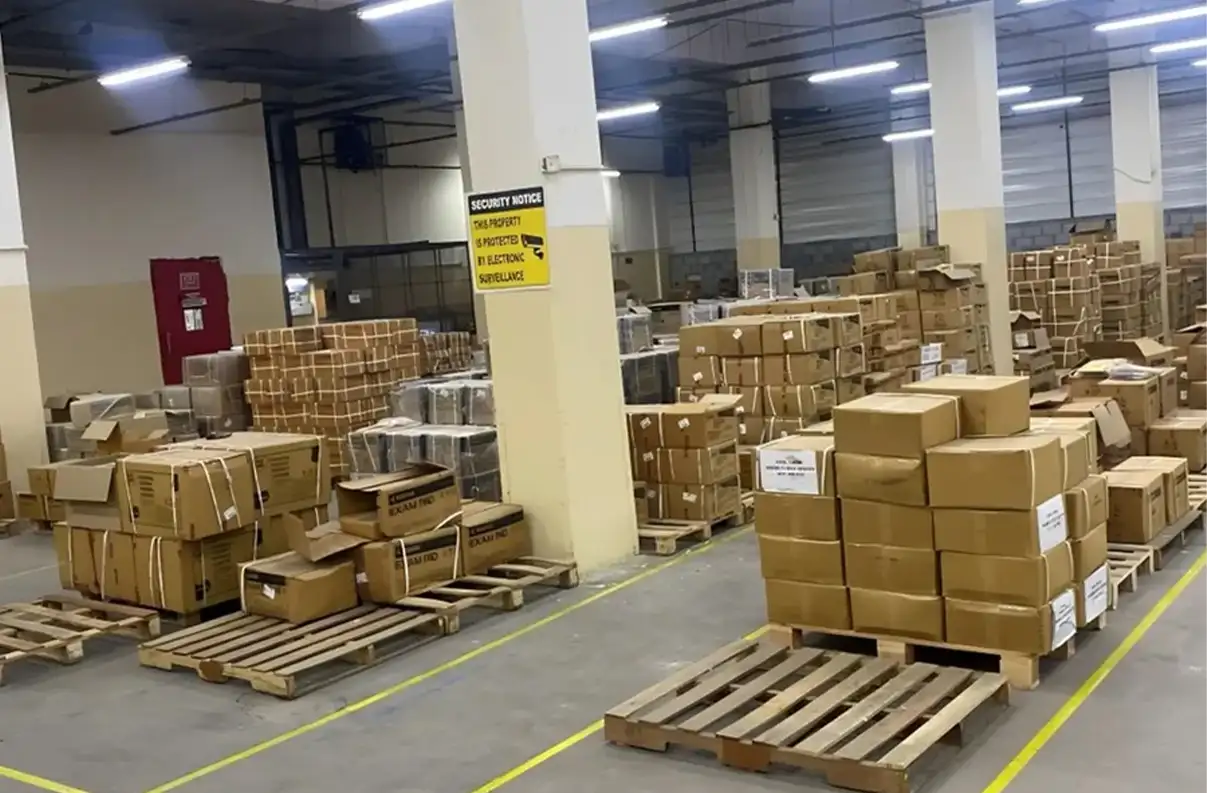
Dark stores are usually closed to the general public, but they are vital to the quick delivery business models of firms like Zepto, Blinkit, and Instamart. But after some unsettling discoveries, their practices have come under investigation. During a recent search on a Blinkit warehouse located in Hyderabad, the Commissioner of Food Safety found multiple infractions, such as faulty hygiene practices, unsuitable storage conditions, and expired items.
E-commerce platforms are intensifying their product inspections to guarantee consumer safety in the wake of recent food safety infractions at dark stores throughout India. These platforms have reexamined internal standards in response to food contamination cases; some are even prepared to delist sellers who repeatedly violate safety regulations.
E-commerce platforms are tightening up on product inspections and updating internal protocols in reaction to these concerning occurrences in order to protect customers. Zepto is getting more serious about addressing these problems, as evidenced by their consideration of a recall policy for compromised products. A customer's notification of contamination may result in the recall of the entire batch of the contaminated goods. The CEO of an online platform, who wished to remain anonymous, emphasized the need of delisting merchants for significant infractions and the constraints of ensuring product quality once products are sealed.
Similar criticism was leveled at Hershey's India after a consumer reported discovering a dead mouse in their chocolate syrup. The company claimed that, after going through several quality checks, the claim of contamination was proven to be unfounded.
Manufacturers are also taking proactive measures to strengthen their safety procedures. For example, in order to improve inspection procedures, iD Fresh Food intends to install Al cameras throughout its manufacturing facilities. In order to guarantee product safety, Baskin Robbins also highlighted their use of technology and strict process controls.
The American Institute for Baking (AIB) quality standards are met by all of Adani Wilmar's operations, according to Angshu Mallick, MD & CEO, who also emphasized the necessity for food business operators to review their Good Manufacturing Practices (GMP). The Indian Food & Beverage Association's (IFBA) Chairperson, Deepak Jolly, asked businesses to modify their safety protocols to account for the changing distribution platforms.
Consumers' worries have been greatly increased by the recent instances, prompting demands for increased transparency in storage facilities and stricter adherence to quality standards. Ensuring strict safety and hygiene regulations is essential to preserving consumer trust and brand integrity as the quick-commerce industry grows.
In order to ensure consumer safety and uphold confidence, e-commerce platforms and manufacturers must work together to strengthen safety measures and utilize technology as the sector struggles with these issues.
Explore the latest edition of Journal of Supply Chain Magazine and be part of the JOSC News Bulletin.
Discover all our upcoming events and secure your tickets today.
Journal of Supply Chain is a Hansi Bakis Media brand.
Subscribe to our Daily Newsletter
Subscribe For FreeBy continuing you agree to our Privacy Policy & Terms & Conditions