News
PM Modi Inaugurates Delhi–Dehradun Economic Corridor, Boosting Connectivity, Logistics and Tourism
 Our Correspondent,
Our Correspondent,
Our Correspondent,
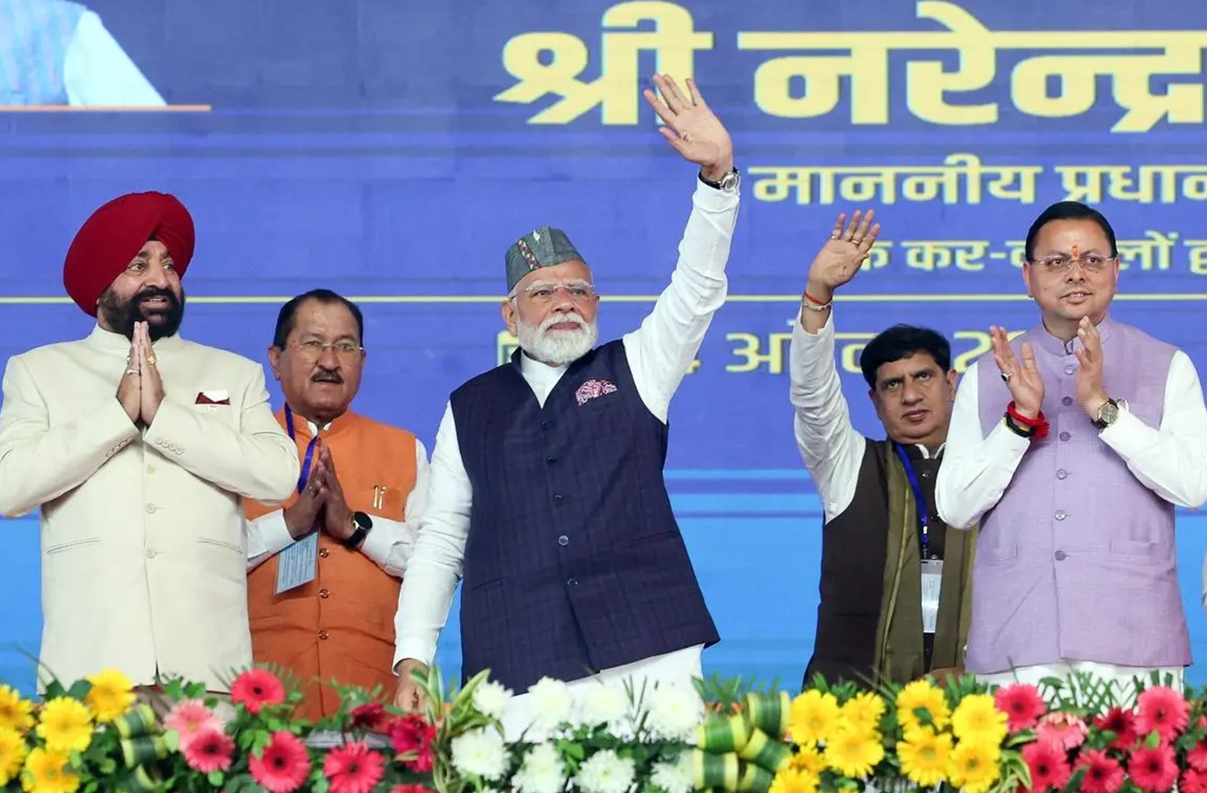
Narendra Modi inaugurated the Delhi–Dehradun Economic Corridor, marking a major milestone in infrastructure development aimed at enhancing connectivity, logistics efficiency, and economic growth across north India.
The corridor is expected to significantly reduce travel time between Delhi and Dehradun, making transportation faster, more affordable, and fuel-efficient. The Prime Minister highlighted that the project will lower freight costs, improve mobility, and generate employment opportunities across the region.
With Uttarakhand completing 25 years of formation and entering its 26th year, the inauguration of the expressway marks another major development milestone for the state. Modi stated that the corridor will play a transformative role in strengthening regional connectivity and economic integration.
The expressway passes through key regions including Ghaziabad, Baghpat, Baraut, Shamli, and Saharanpur, creating new opportunities for trade, warehousing, logistics, and industrial growth. The project has already attracted an investment of around ₹12,000 crore and has generated employment for thousands of workers, including engineers, labourers, and transport professionals.
Conference
Conference
Highlighting its impact on supply chains, the Prime Minister noted that farmers and businesses will benefit from faster access to markets, reducing delays and improving overall logistics efficiency. The corridor is expected to strengthen regional supply chains by enabling quicker movement of goods and reducing transportation costs.
The infrastructure project also enhances tourism connectivity, improving access to destinations such as Haridwar, Rishikesh, and Mussoorie, as well as pilgrimage routes including the Char Dham circuit. Increased accessibility is expected to boost local economies through hospitality, transport, and tourism-related activities.
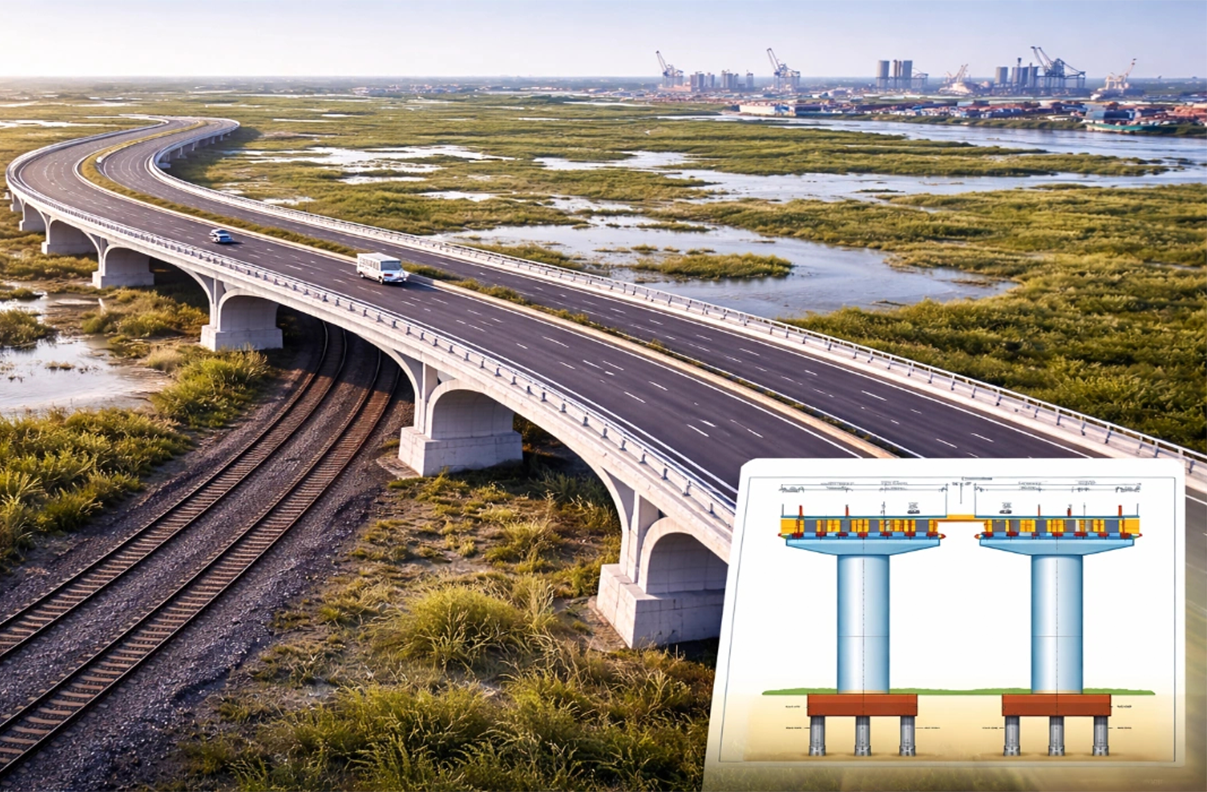
A key feature of the corridor is its focus on sustainable infrastructure. The project includes a nearly 12-kilometre elevated wildlife corridor designed to ensure safe movement of animals and protect natural habitats, reflecting a balance between development and environmental conservation.
The Prime Minister also emphasised the importance of maintaining cleanliness in the ecologically sensitive and culturally significant regions of Devbhoomi, urging citizens and visitors to avoid plastic waste and preserve the sanctity of these areas.
The Delhi–Dehradun Economic Corridor is part of India’s broader infrastructure push, with significant investments being made across highways, railways, airports, and logistics networks. The project is expected to play a crucial role in strengthening regional supply chains, reducing logistics costs, and supporting India’s long-term economic growth ambitions.
Explore the latest edition of Journal of Supply Chain Magazine and be part of the JOSC News Bulletin.
Discover all our upcoming events and secure your tickets today.
Journal of Supply Chain is a Hansi Bakis Media brand.
Subscribe to our Daily Newsletter
Subscribe For FreeBy continuing you agree to our Privacy Policy & Terms & Conditions