Nigeria is setting ambitious goals to transform itself into Africa’s top maritime logistics hub, capitalizing on its strategic location along key global trade routes. With growing import and export demands, the country is prioritizing port infrastructure development, enhanced logistics connectivity, and investments in smart shipping solutions.
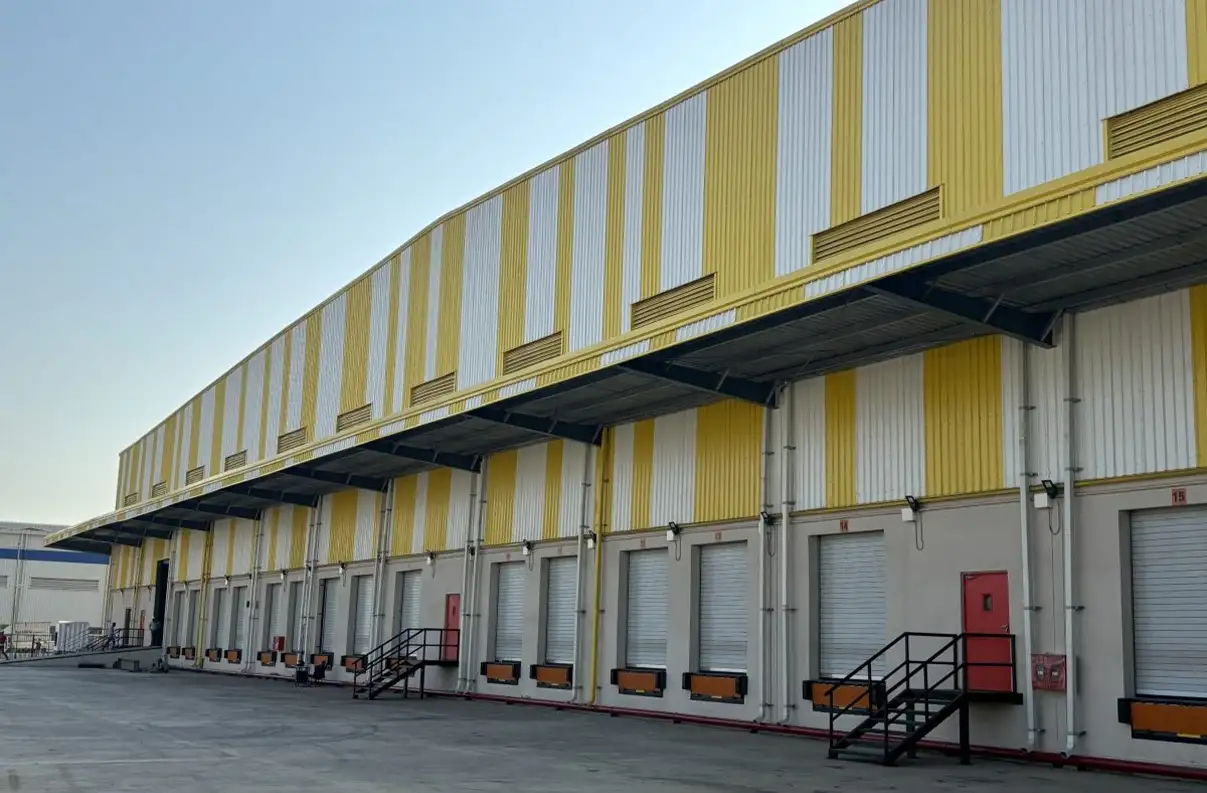
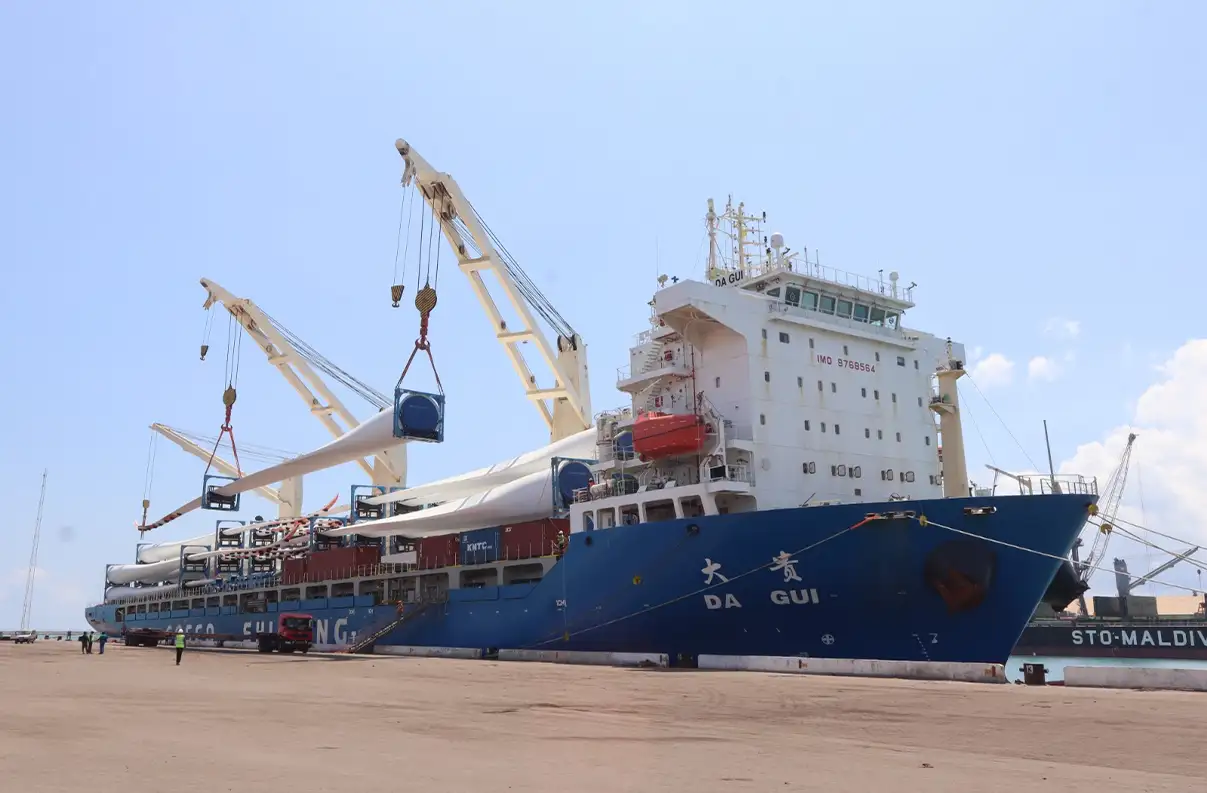
A key driver of this transformation is Nigeria’s massive investment in deep-sea ports and free trade zones. Projects like the Lekki Deep Sea Port and expansions in Lagos, Onne, and Port Harcourt are expected to boost cargo handling capacity, reduce congestion, and attract foreign investments.
The Nigerian government is also promoting public-private partnerships (PPPs) to accelerate maritime growth. Private investment will be crucial in funding new logistics corridors, modernizing port operations, and integrating digital supply chain solutions. By embracing automation, blockchain, and AI-driven logistics, Nigeria aims to streamline customs clearance, enhance security, and reduce turnaround times.
Becoming a global maritime powerhouse will strengthen Nigeria’s position in international trade, increase employment opportunities, and drive economic growth. If successful, this initiative could place Nigeria alongside global logistics hubs like Singapore, Rotterdam, and Dubai, making it a preferred destination for African trade and transshipment.
Explore the latest edition of Journal of Supply Chain Magazine and be part of the JOSC News Bulletin.
Discover all our upcoming events and secure your tickets today.
Journal of Supply Chain is a Hansi Bakis Media brand.
Subscribe to our Daily Newsletter
Subscribe For FreeBy continuing you agree to our Privacy Policy & Terms & Conditions