News
Bhiwandi to Taloja: Mumbai’s logistics map gets redrawn
 Anamika Mishra,
Sub Editor
Anamika Mishra,
Sub Editor
Anamika Mishra,
Sub Editor
Anamika Mishra,
Sub Editor
Mumbai’s logistics landscape is evolving, not through sudden disruption, but by deliberate design. The region is witnessing a quiet revolution driven by shifting demand patterns, strategic decentralization and purpose-built infrastructure.
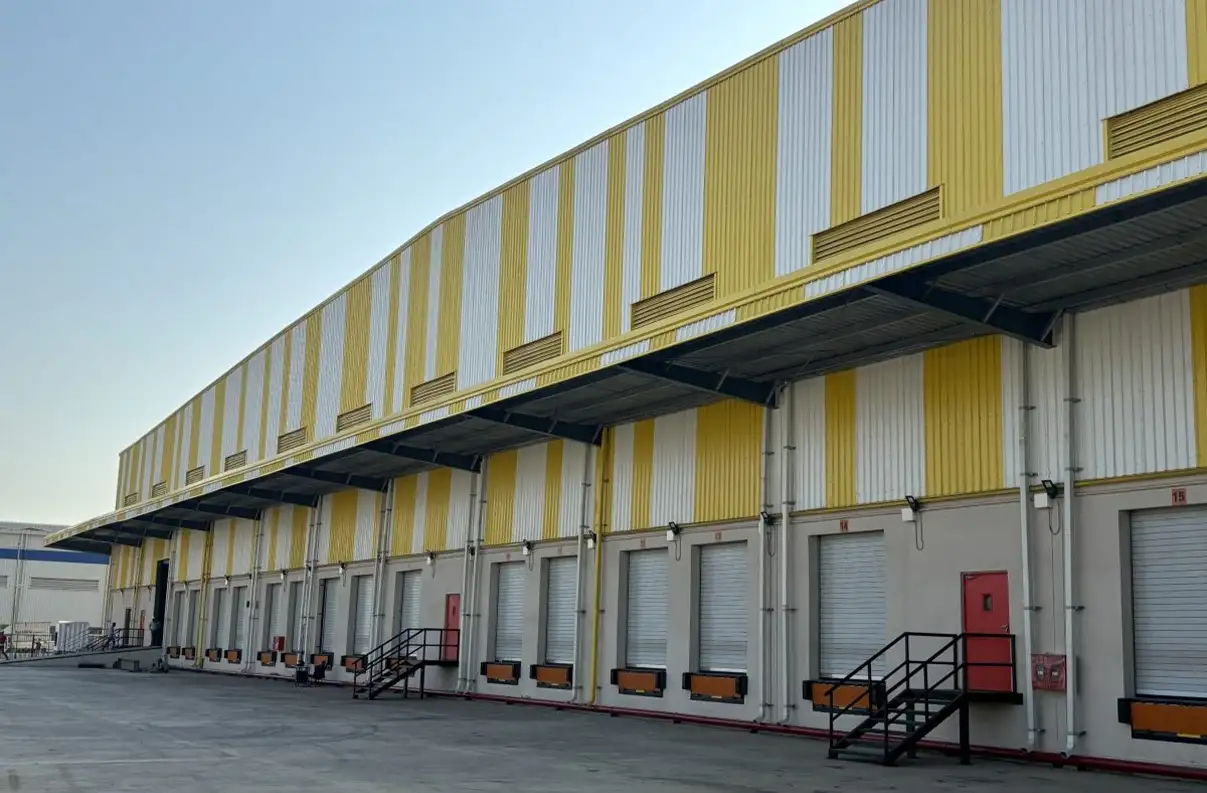
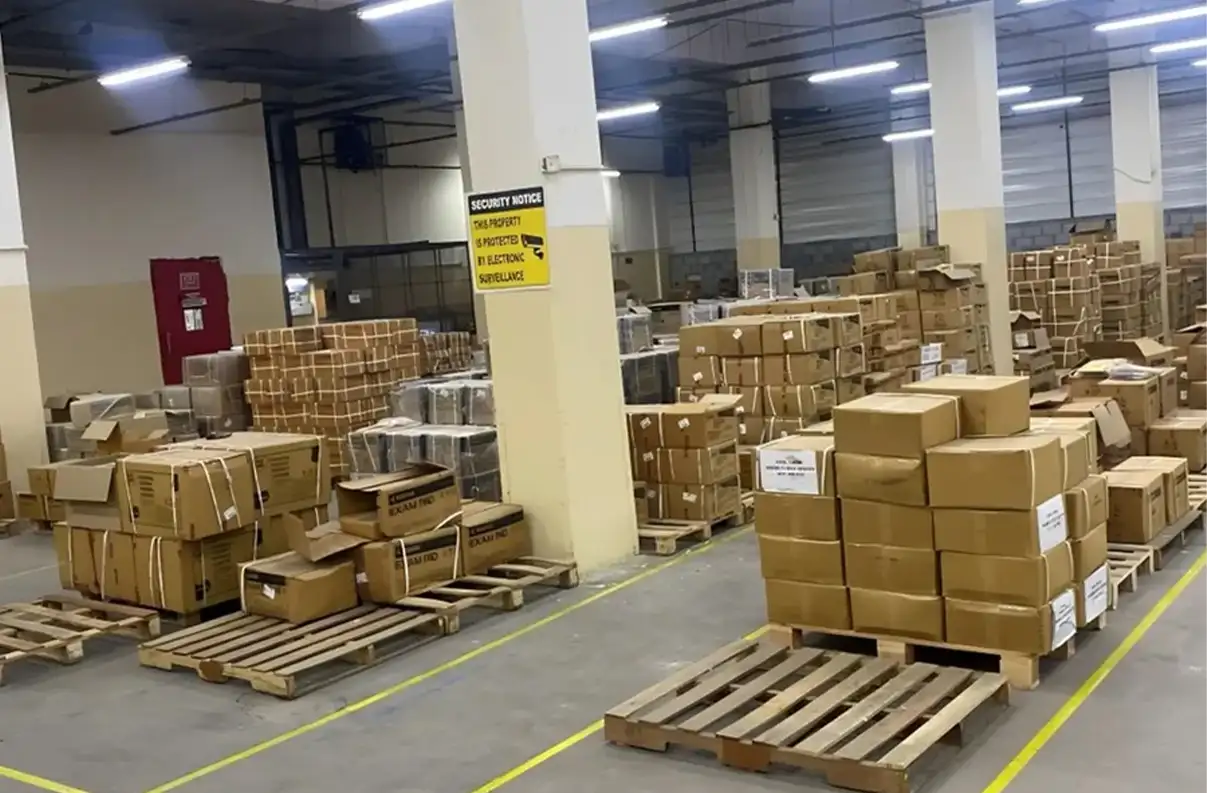
Long established as Mumbai’s warehousing nerve centre, Bhiwandi continues to dominate due to its cost advantage and connectivity. Located just 20 km northeast of Mumbai, it remains the go-to hub for high-volume warehousing, especially for e-commerce giants and 3PL providers.
“Bhiwandi fulfilment and 3PL operations are in full swing,” says Deepak Tiwari, Director at Mumbai-based supply chain consultancy Syncoptichain Ventures, and former executive at KSH Logistics, Transworld Terminals, CMA CGM, and dnata. “Reliance, Flipkart, Amazon all have major facilities there.”
Tiwari highlights the significant price gap between Bhiwandi and other zones like Taloja, which continues to draw developers and occupiers outward as demand accelerates.
While Bhiwandi anchors volume, emerging clusters like Taloja are carving a niche in specialised logistics, particularly cold storage and industrial cargo. As temperature-controlled supply chains gain traction especially in sectors like pharma, food, and fresh produce Taloja is fast becoming a strategic cold chain destination within the Mumbai Metropolitan Region (MMR).
Within city limits, the rapid growth of quick commerce and instant delivery platforms is reshaping warehousing footprints. Demand for smaller, strategically located facilities has surged.
One example is Swiggy-owned Scootsy Logistics, which recently signed one of India’s largest warehousing lease deals securing 580,000 sq ft at One K Square Logistic Park in Bhiwandi, reflecting both the scale and speed required for last-mile delivery.
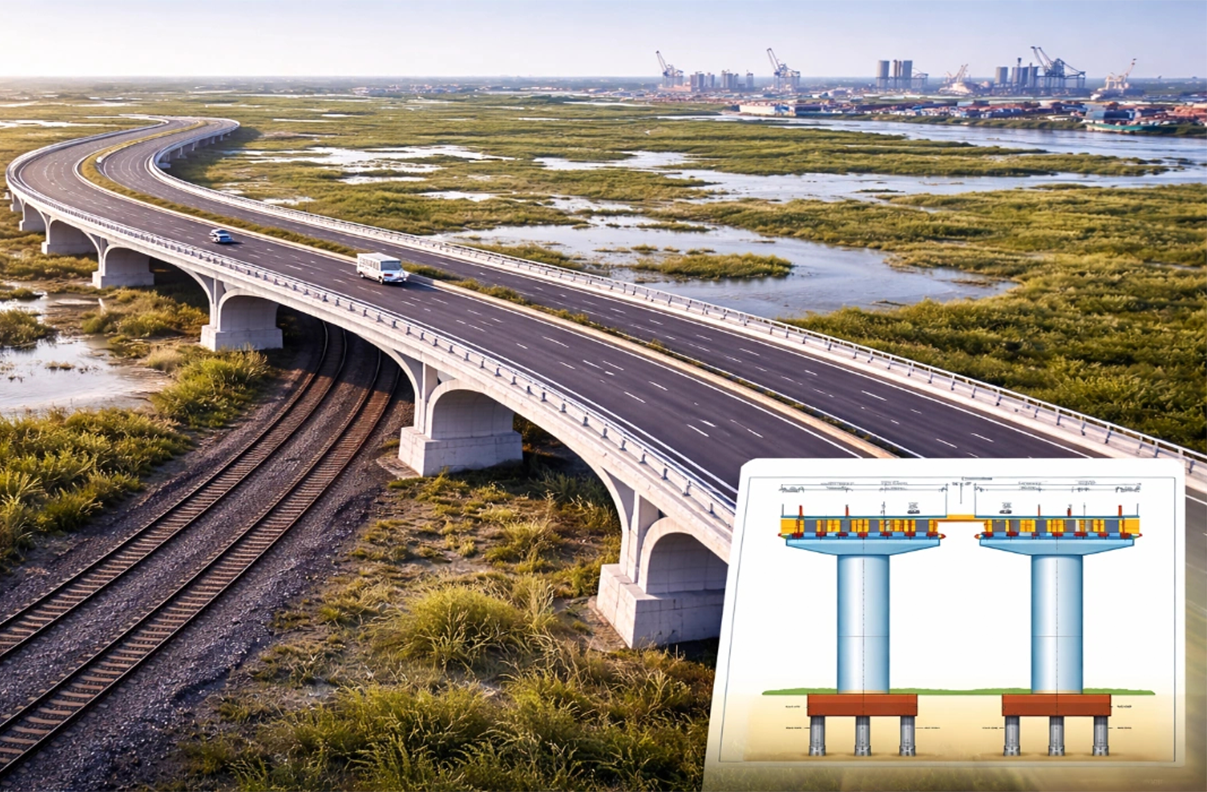
Mumbai’s logistics transformation is also being powered by major infrastructure upgrades. The Dedicated Freight Corridor (DFC) and enhanced coastal shipping lanes are improving cargo flow efficiency across the region. These multimodal routes are making it easier to move goods in and out of the city, supporting faster turnaround, reduced road congestion, and more sustainable transport options.
Mumbai’s logistics identity is shifting, not through radical disruption but through carefully coordinated development. As decentralised clusters take shape and urban warehousing adapts to rapid commerce, the region is positioning itself as a future-ready logistics powerhouse, anchored by design, data, and demand.
Explore the latest edition of Journal of Supply Chain Magazine and be part of the JOSC News Bulletin.
Discover all our upcoming events and secure your tickets today.
Journal of Supply Chain is a Hansi Bakis Media brand.
Subscribe to our Daily Newsletter
Subscribe For FreeBy continuing you agree to our Privacy Policy & Terms & Conditions