Over the past few years, the container shipping sector has experienced its fair share of highs and lows, both literally and figuratively. According to Alphaliner's most recent research, Mediterranean Shipping Company (MSC) and ZIM Integrated Shipping Services (ZIM Line) are the mainline operators with the fastest rates of growth in the fiercely competitive world of international shipping. Both businesses have seen impressive fleet growth, securing their places as major participants in the maritime industry.
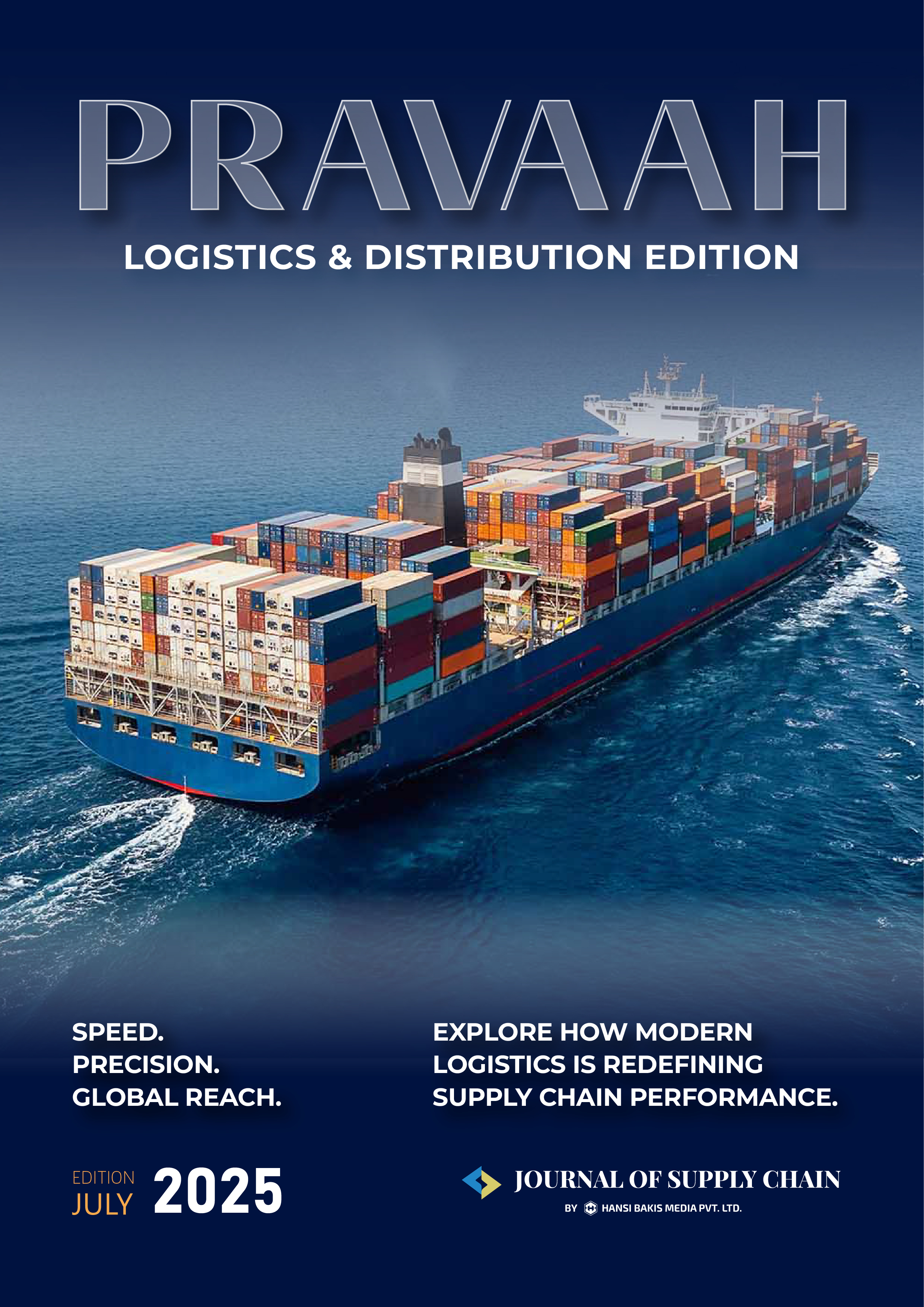
In an effort to grow, MSC has added more ships to its fleet than the 6 million TEU mark by combining aggressive newbuilding orders with well-timed acquisitions of used ships. The 16,616 TEU MSC Juliette, which Guangzhou Shipyard International delivered to the operator on July 18, is the most recent addition. In MSC's fleet, this ship ranks as the 17th largest post-Panamax addition made just this year. The company's operational capacity was further increased last week when it took receipt of the 2003-built MSC Bay IV and the 1999-built MSC Unity VI.
Parallel to MSC, ZIM has demonstrated a commitment to long-term charters, allowing it to surpass Taiwan's Yang Ming and gain ninth place in the rankings. Over the past year, the Israeli carrier's fleet increased by approximately 18% to 728,011 TEU. This increase is due to the delivery of three 15,250 TEU ships, seven 7,800-7,900 TEU ships, and eight 5,300-5,500 TEU ships. ZIM's strategic focus on extending its market position in the key trade route has led to the deployment of numerous boats on the transpacific lane.
According to the Alphaliner assessment, ZIM benefits indirectly from Asia-Europe service re-routings via the Cape of Good Hope, which helped absorb the newbuilding surge. All of the new tonnage also allowed the Haifa-based carrier to develop its transatlantic presence. Currently, 48% of ZIM's fleet trades between Asia and North America.
The ranks of other key players are also changing significantly. In 2022, Maersk Line was dethroned by MSC. However, French carrier CMA CGM is now matching MSC's orderbook, potentially relegating Maersk Line to third place. Both MSC and CMA CGM have new building orders totaling 1.2 million TEUs.
Notably, CMA CGM has proved its commitment to sustainable shipping by acquiring a dozen 15,500 TEU LNG-powered vessels from HD Hyundai Heavy Industries and HD Hyundai Samho. HD Hyundai Heavy Industries has 14 methanol-fueled 16,000 TEU ships on order and plans to order more LNG-fueled vessels to maintain its competitiveness. CMA CGM's fleet is 3.75 million TEU, while Maersk has a slightly larger fleet of 4.34 million TEU.
MSC and ZIM Line's fleet expansions highlight the need for strategic investments and fleet modernization in the shipping industry to preserve a competitive advantage. CMA CGM's aggressive orderbook is challenging Maersk's dominance in the competitive top carrier market. The shift to LNG and methanol-fueled vessels reflects the industry's growing emphasis on sustainability and environmental responsibility. These advancements are expected to spur innovation and investment in green technologies, influencing the future of global shipping.
Explore the latest edition of Journal of Supply Chain Magazine and be part of the JOSC News Bulletin.
Discover all our upcoming events and secure your tickets today.
Journal of Supply Chain is a Hansi Bakis Media brand.
Subscribe to our Daily Newsletter
Subscribe For FreeBy continuing you agree to our Privacy Policy & Terms & Conditions