News
India’s Logistics & Warehousing Sector Sees Rising Growth in Tier 2 Cities
 Anamika Mishra,
Sub Editor
Anamika Mishra,
Sub Editor
Anamika Mishra,
Sub Editor
Anamika Mishra,
Sub Editor
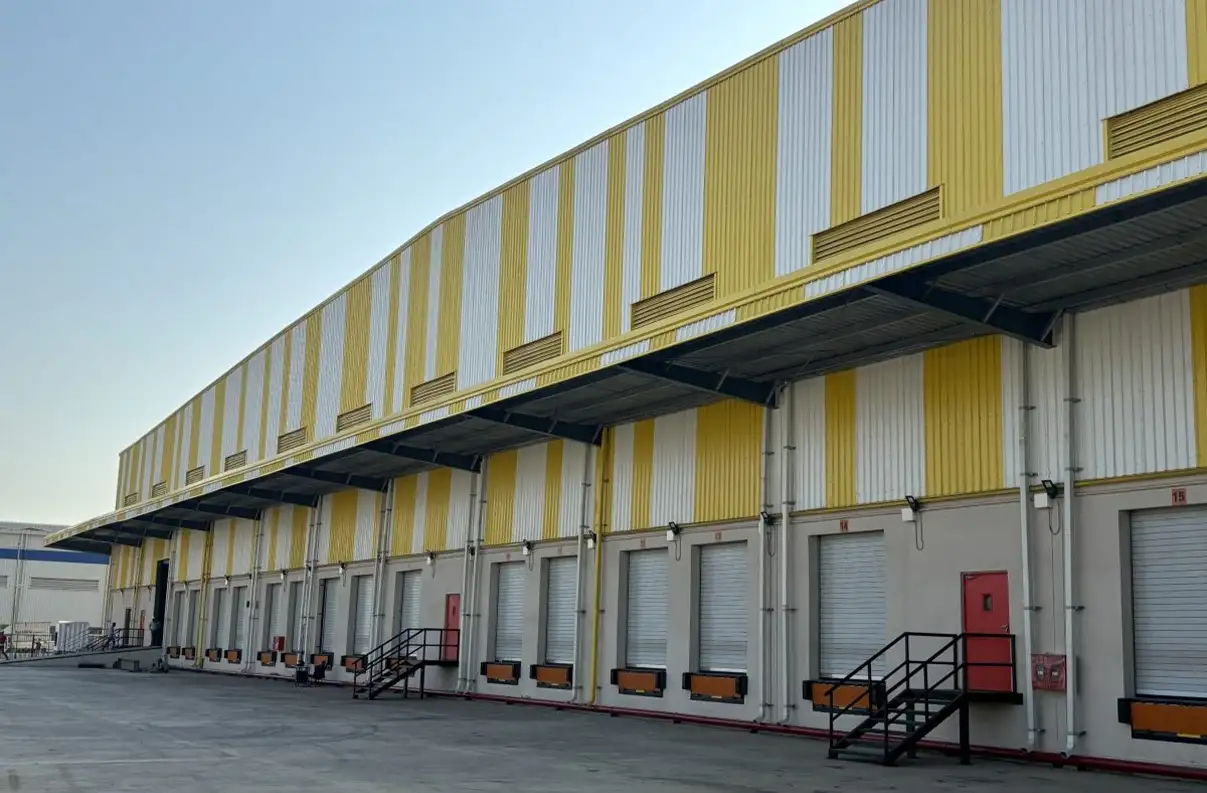
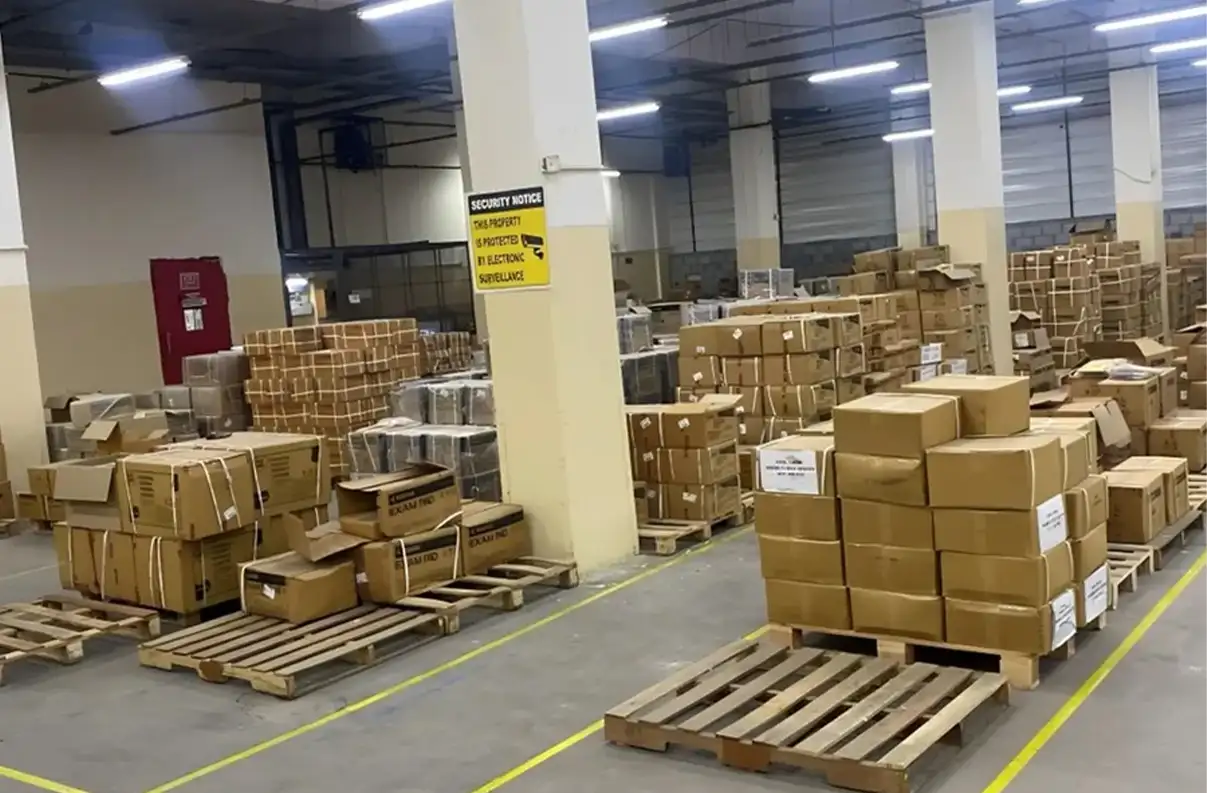
India’s logistics and warehousing industry is witnessing unprecedented growth in tier-2 cities, driven by increasing e-commerce penetration, improved infrastructure, and government incentives. Traditionally, major metropolitan hubs like Mumbai, Delhi, and Bengaluru dominated the logistics sector. However, cities like Lucknow, Indore, Jaipur, and Coimbatore are now emerging as key warehousing destinations.
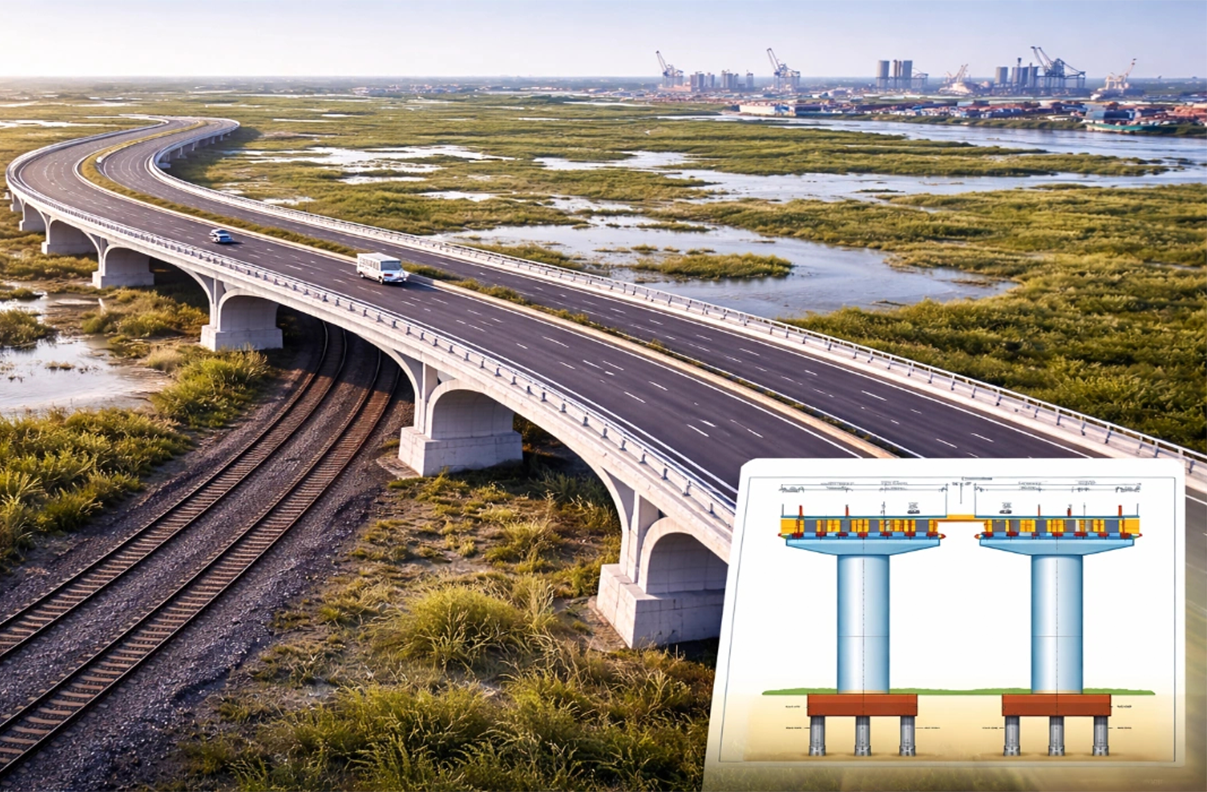
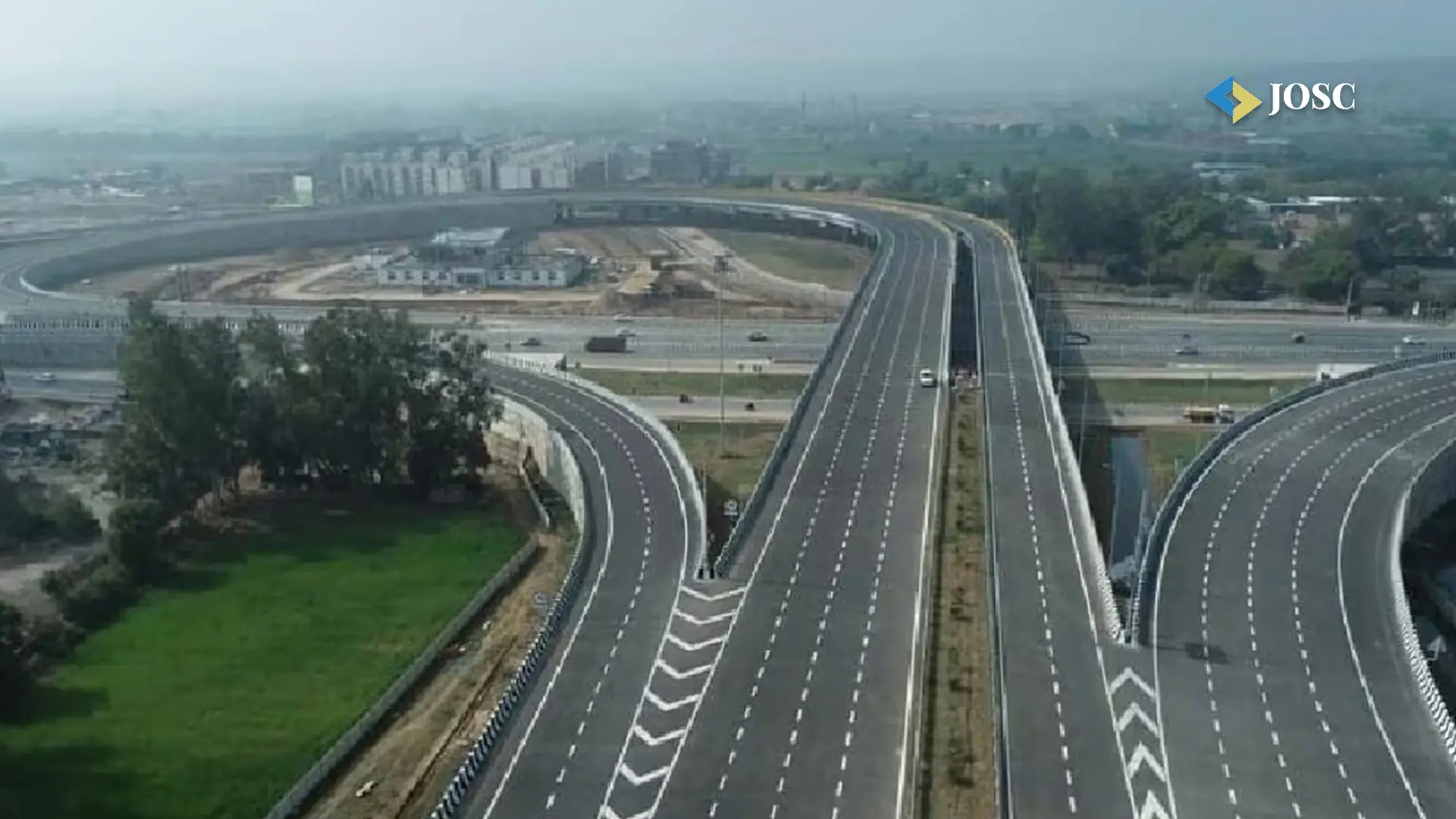
Several factors contribute to this shift. First, rapid urbanization and higher disposable incomes in smaller cities have boosted online shopping, leading to greater demand for efficient warehousing and logistics networks. Second, the government’s push for infrastructure development, including new highways, freight corridors, and multimodal logistics parks, has enhanced connectivity between tier-2 cities and major trade hubs. Third, companies are increasingly setting up fulfillment centers in these regions to reduce delivery times and operational costs.
Real estate developers and investors are also recognizing the potential in smaller cities, with major players expanding their warehousing footprint. According to industry reports, the demand for Grade A warehousing in tier-2 locations has surged by 30% in the past year.
As India’s logistics landscape evolves, tier-2 cities are expected to play a crucial role in the country’s supply chain network, bridging the gap between urban and rural markets.
Explore the latest edition of Journal of Supply Chain Magazine and be part of the JOSC News Bulletin.
Discover all our upcoming events and secure your tickets today.
Journal of Supply Chain is a Hansi Bakis Media brand.
Subscribe to our Daily Newsletter
Subscribe For FreeBy continuing you agree to our Privacy Policy & Terms & Conditions