News

Indian Railways Faces Steady Freight Volumes Amidst Market Challenges

August 05, 2024 4 min read
author Anamika Mishra, Sub Editor
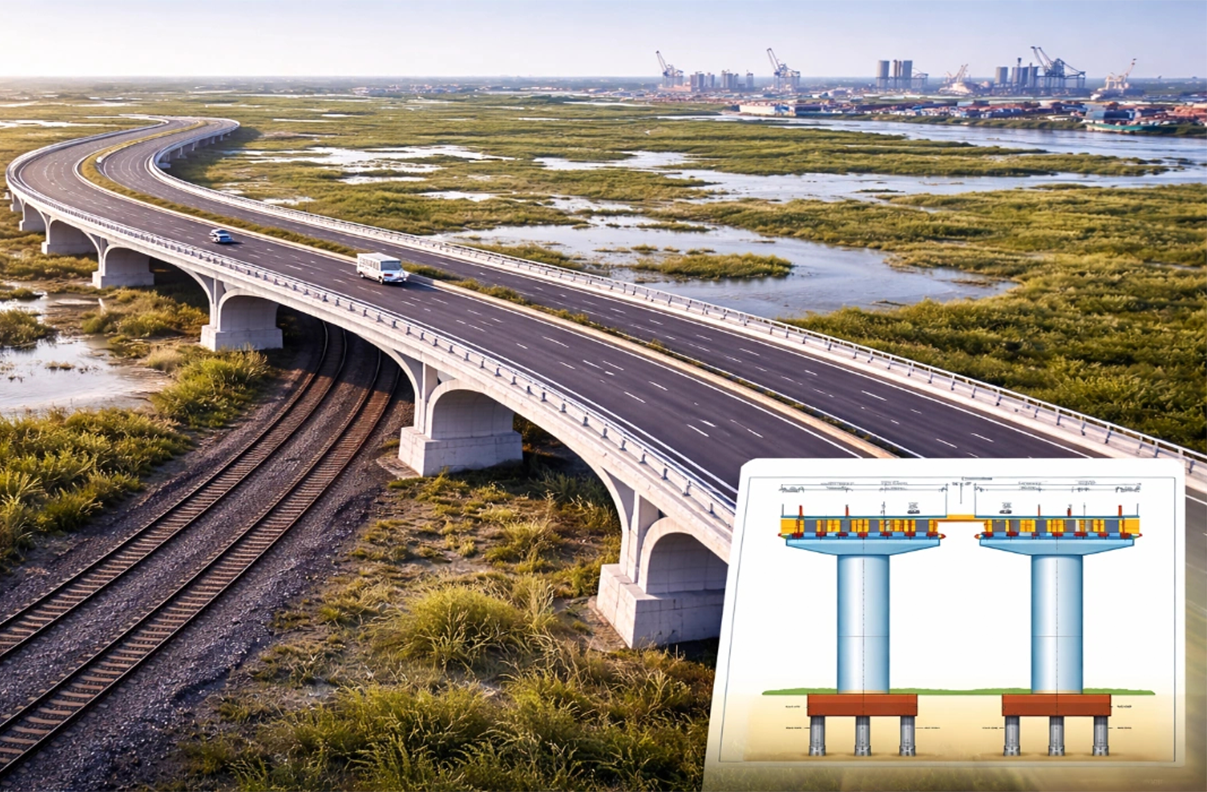
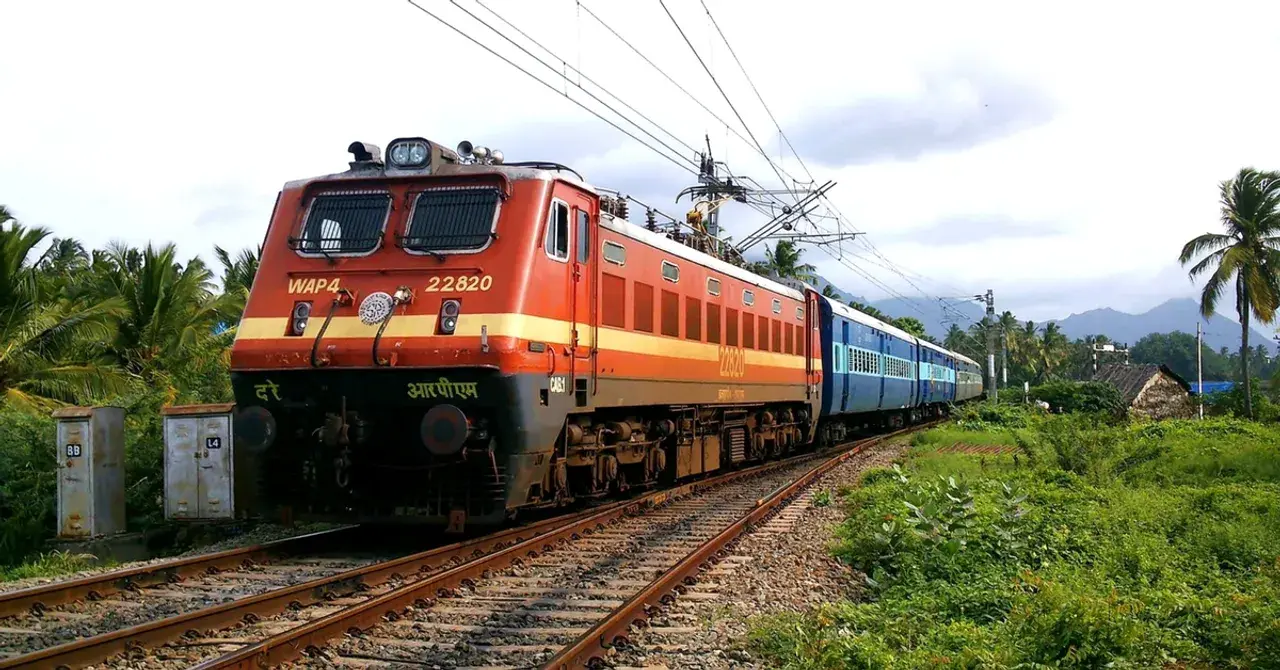
In India's transportation system, passenger traffic has traditionally had a greater influence than freight movement.
The situation has not changed for Indian Railways. However, companies have recently begun to switch to rail freight as a result of increased pressure to reduce costs and use less energy. However, while being praised as the country's lifeline, it is currently confronting a difficult and urgent problem: a sharp decline in freight traffic. If left unchecked, experts warn that this tendency might have significant effects on the logistics industry, sustainable transportation initiatives, and the Indian economy.

India's economy has been characterized by ups and downs, which have had an immediate effect on freight traffic. The COVID-19 pandemic has made industrial output and manufacturing slow down, which has decreased the need for bulk transportation. Who would have thought that major public and private industries that have historically relied on rail transportation—like coal, cement, steel, and automobiles—would face a decline in output? However, it did happen, and as a result, there has been a decrease in the volume of freight on Indian Railways.

It appears that the lockdowns brought on by the epidemic and the ensuing disruptions have left a lasting impact. The rate of industry recovery, albeit slowing down, is still too slow to return to pre-pandemic freight levels.

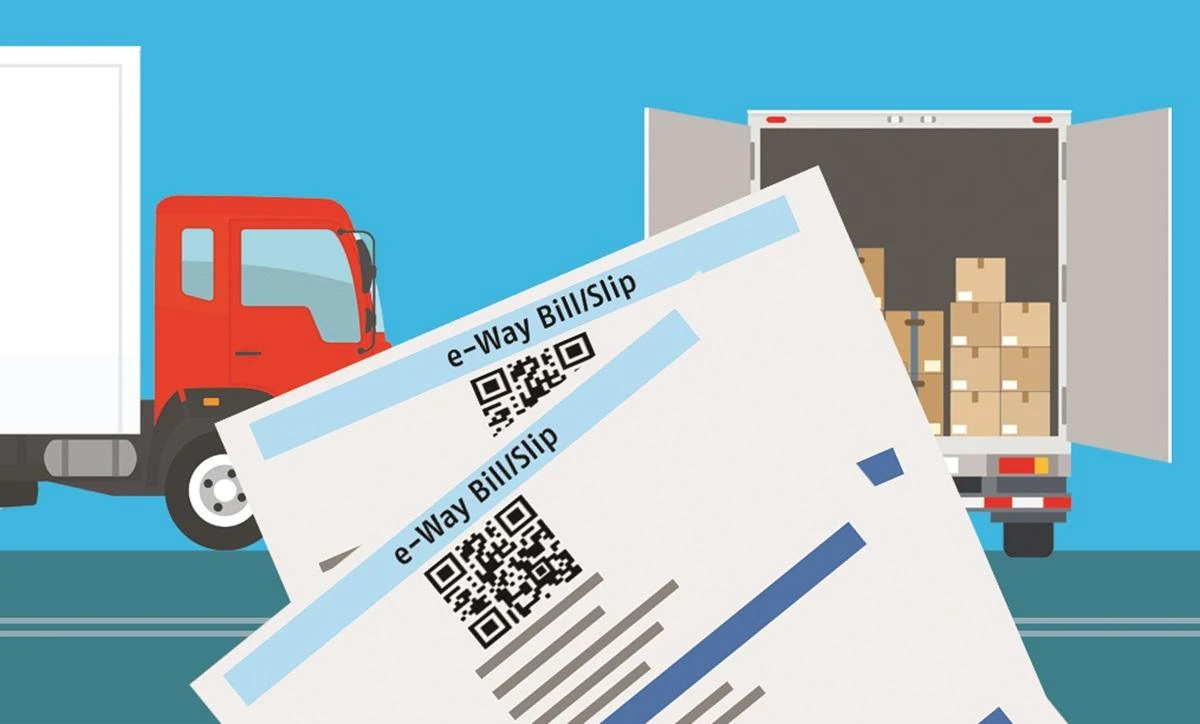
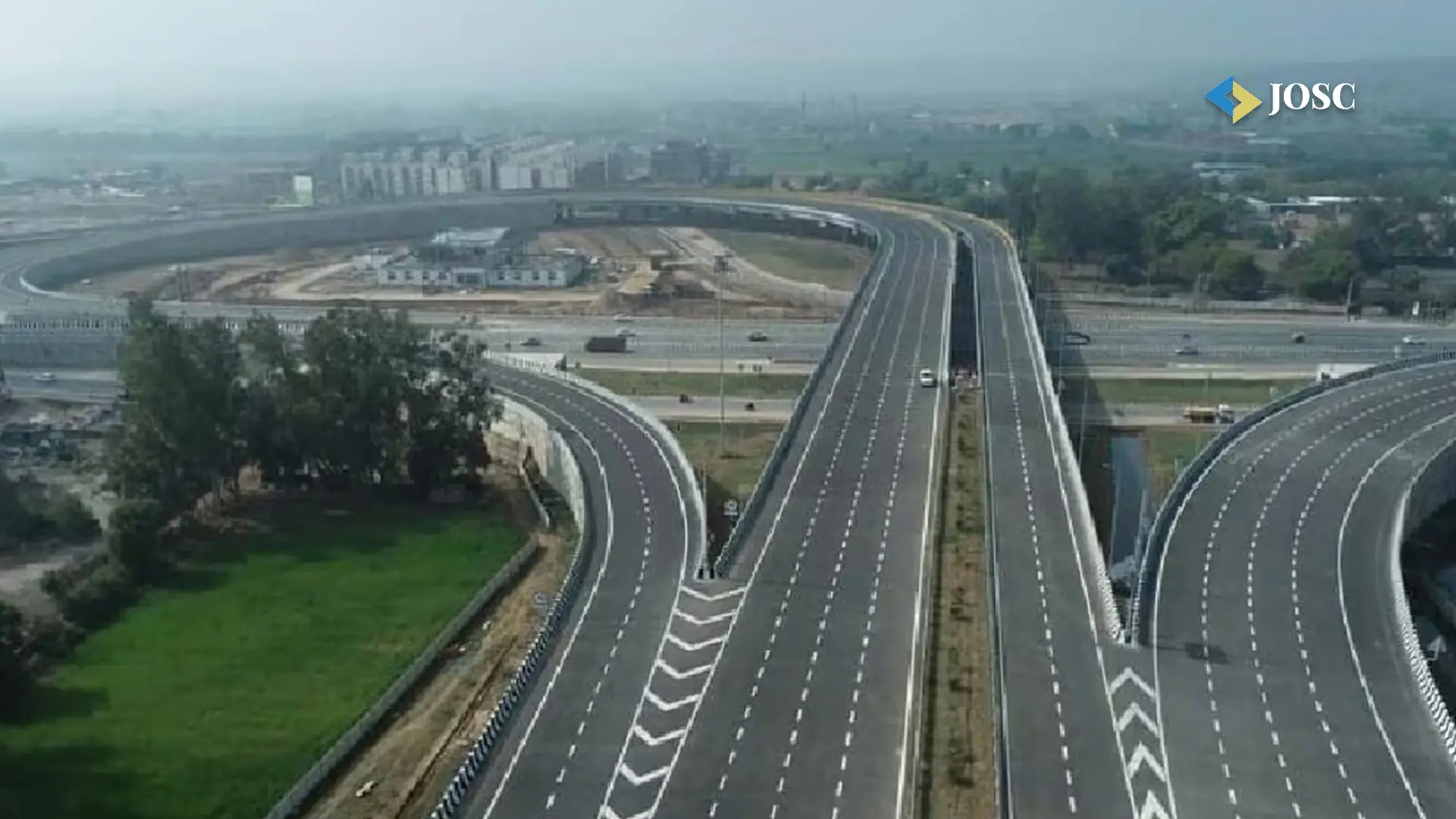
But the national train carrier's story doesn't end there. By a strange turn of events, the road transportation industry has become a strong rival to the railroads. The flexibility and door-to-door service provided by trucks, along with improved road infrastructure, have increased shippers' attraction to road transport. The NHAI's construction of national highways and expressways, along with the GST, has simplified interstate trucking and cut expenses and transit times.

The need for quick and adaptable logistics solutions from the growing e-commerce industry further tips the scales in favor of road transportation. For last-mile delivery, businesses like Flipkart and Amazon mainly rely on trucks. As a result, they are avoiding railroads.

Given the paradigm shift that the Indian logistics industry is experiencing, could this be considered a blessing in disguise?

Indian Railways has a large network, yet there are major infrastructure limitations. The railway network is overloaded in several places, with many portions running at or above capacity, which causes delays and inefficiency.

You may mention the freight corridors that DFCCIL is establishing around the nation. These freight corridors are clearly intended to improve cargo transportation, and they are effective in that regard, but much of it is still in the early stages of construction and has not yet realized its full potential.

Indian Railways, known for handling both passenger and freight traffic on the same infrastructure, faces a unique set of challenges. The shared use of tracks often leads to passenger trains being prioritized, resulting in delays for freight services. This delay fosters mistrust among users and hinders the ability to offer reliable and timely services, essential for industries relying on just-in-time logistics.

The absence of dedicated freight corridors exacerbates the problem, making it difficult to improve service reliability. Policy inconsistencies and operational inefficiencies further contribute to the decline of rail freight. The current tariff structures have not evolved to match the competitive landscape, often rendering rail transport more expensive than road alternatives. Additionally, bureaucratic hurdles and the lack of end-to-end digital integration in railway operations deter potential customers who seek seamless logistics solutions.

Despite these challenges, there have been reforms such as the Gati Shakti National Master Plan (NMP) and the National Logistics Policy, though their implementation has been slow. Initiatives like the Dedicated Freight Corridors (DFC) promise future improvements, but their delayed completion has postponed the expected benefits.

In an era increasingly conscious of environmental sustainability, railways hold a unique advantage due to their lower carbon footprint compared to road transport. However, this potential is currently undermined by existing challenges. Leveraging this advantage requires significant investment in the electrification of railway lines, enhancing efficiency, and adopting greener technologies. The government's push towards renewable energy and reducing carbon emissions could incentivize a shift back to railways, but this requires concerted efforts and policy support.
The decline in Indian Railways' freight traffic is a multifaceted issue that demands a holistic approach. Enhancing infrastructure, modernizing operations, and creating a more competitive tariff structure are imperative to revitalize rail freight services.


Explore the latest edition of Journal of Supply Chain Magazine and be part of the JOSC News Bulletin.

Discover all our upcoming events and secure your tickets today.


Journal of Supply Chain is a Hansi Bakis Media brand.

Leave Comment

logo

Subscribe to Our Newsletter

The week’s best stories, handpicked by JOSC editors in your inbox every week.

Stay informed with exclusive content