News
India-UAE Maritime Link Kicks Off: First Phase of IMEC Project Underway
 Anamika Mishra,
Sub Editor
Anamika Mishra,
Sub Editor
Anamika Mishra,
Sub Editor
Anamika Mishra,
Sub Editor
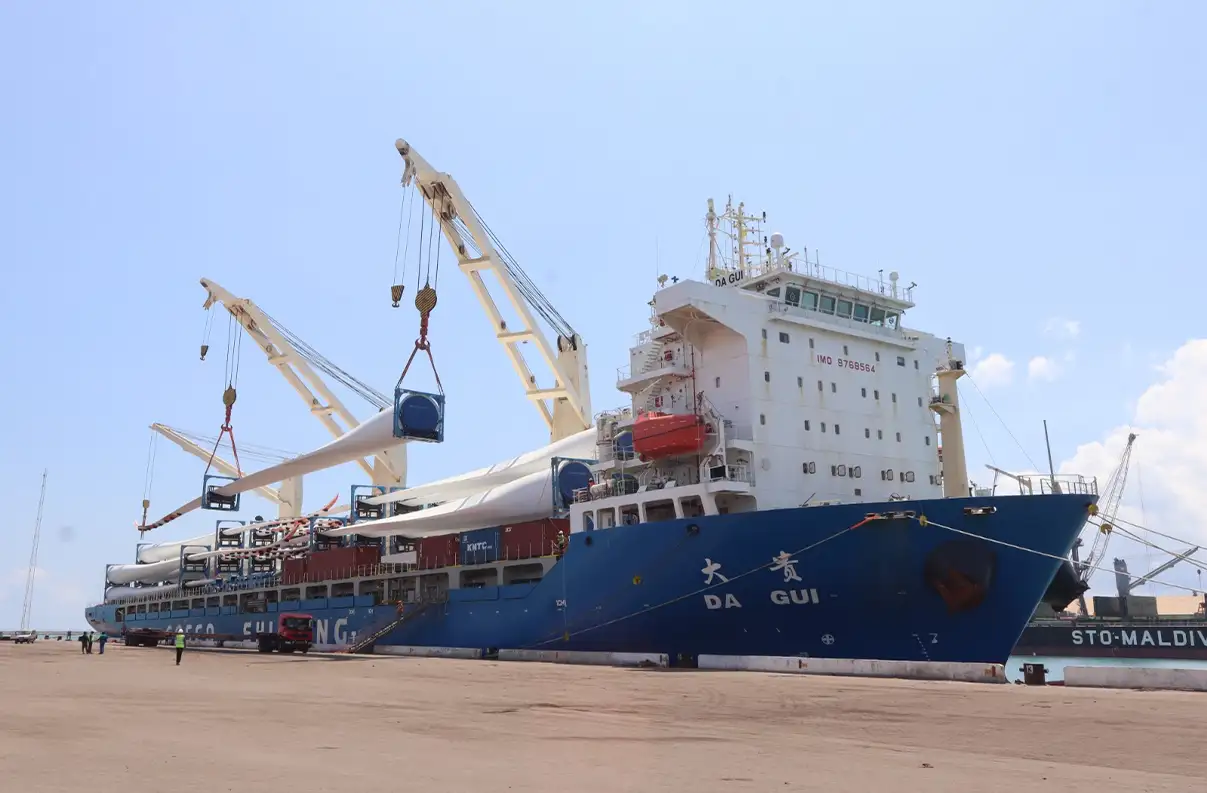
Operationalization of the first leg between India and the United Arab Emirates (UAE) of the India-Middle East-Europe Economic Corridor (IMEC) project is in progress, nine months after its launch. The first stage concentrates on standardizing protocols for travel, vessel, and customs-related clearance between two ports in the United Arab Emirates (Jebel Ali and Fujairah) and three ports on the western coast of India (Mundra, Kandla, and Nhava Sheva). India has given itself 100 days to finish this process.
The intention is to guarantee that a document uploaded at an Indian port will be recognised by UAE port officials without requiring resubmission. A virtual platform would enable this smooth document exchange, establishing a free trade area and enhancing company convenience.
Aligning customs processes between ports on both sides is the second step. Shipping lanes operate between ports in India and the United Arab Emirates, however, they are not yet seamless and require clearance at both ends. Several phased actions are being planned to optimise port-to-port operations.
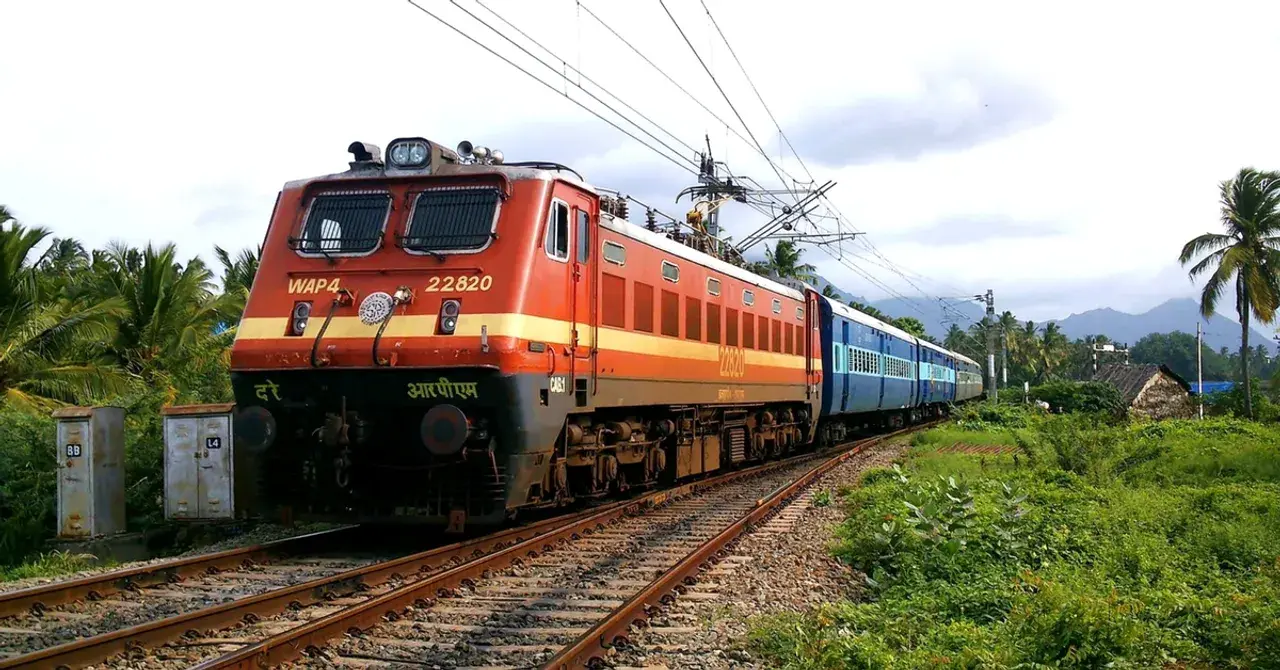
The IMEC project was introduced at the G-20 Summit in New Delhi and entails rail transport to Jordan, sea transport to Turkey, and additional rail transport to Europe after transiting by sea between Saudi Arabia, the UAE, and India. Rail India Technical and Economic Service Limited (RITES) will conduct a study to determine the gaps in the rail network connecting Saudi Arabia and Jordan, evaluate the necessary investments, and establish completion dates.
Once goods arrive in Israel's Haifa port via train from Saudi Arabia to Jordan, they will continue to Greece's Piraeus port and then to Europe. The rail link is crucial for IMEC as it bypasses the Suez Canal, which has experienced reduced transit owing to Houthi threats. Currently, 37% of India's trade with Europe goes through the Suez Canal.
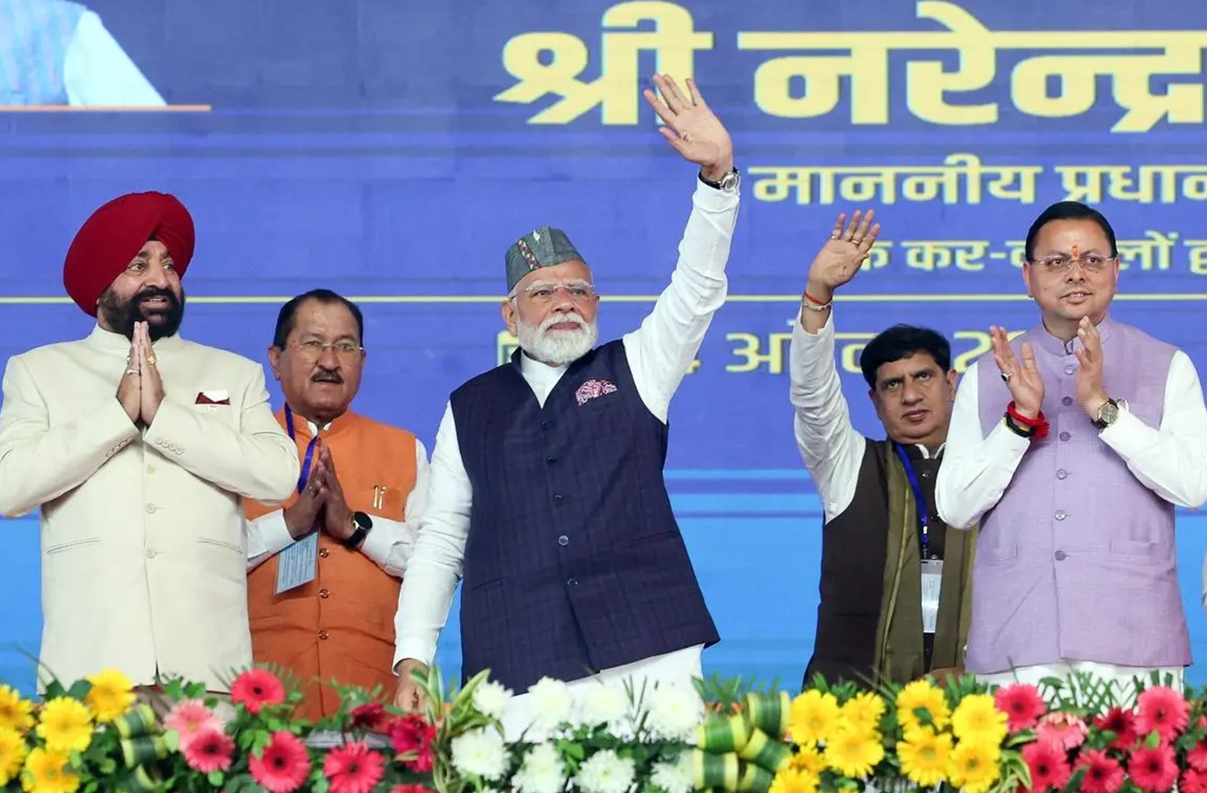
Officials from various Indian ministries have met to discuss India's involvement in IMEC. A joint working group with partners from external affairs, trade, shipping, railways, and customs has been formed to finalise specifics. While the full IMEC corridor is not yet operational, the first leg is scheduled to be operational within the first 100 days of the Modi administration.
India is also expanding the capacity of its western ports to handle export and import cargo. The Union Cabinet has approved a proposal to build a Rs 76,220 crore deepwater port in Vadhavan, Maharashtra's Palghar district.
This port, five kilometres north of Mumbai, will be India's largest container port in terms of capacity and draft. It will connect to the IMEC and support three existing ports on India's western coast: Nhava Sheva, Kandla, and Mundra.
Explore the latest edition of Journal of Supply Chain Magazine and be part of the JOSC News Bulletin.
Discover all our upcoming events and secure your tickets today.
Journal of Supply Chain is a Hansi Bakis Media brand.
Subscribe to our Daily Newsletter
Subscribe For FreeBy continuing you agree to our Privacy Policy & Terms & Conditions