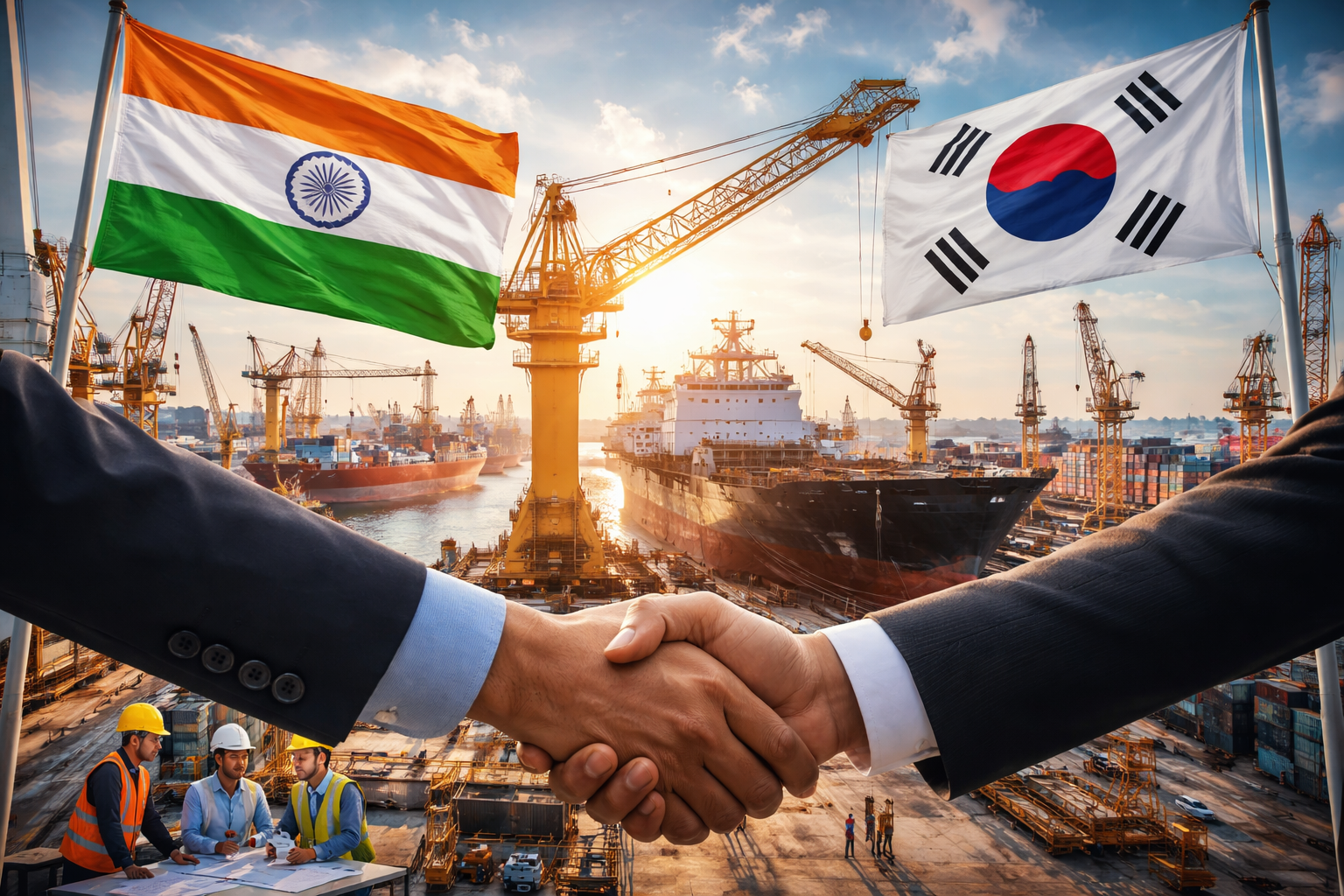
Union Minister for Ports, Shipping and Waterways Sarbananda Sonowal held a series of meetings in Busan, South Korea, with maritime institutions, shipbuilders and shipping companies, as well as Cyprus' Shipping Deputy Minister. The discussions focused on building the supply chains, financing networks, technology base and market access needed to support India's shipbuilding ambitions.
The talks covered shipbuilding investment, marine equipment manufacturing, maritime finance, port development, shipping, green technology and sustainable ship recycling. The government's broader objective is to establish India as a globally competitive hub for shipbuilding, shipping and maritime services by 2047.
"India's shipbuilding landscape is on a fast growth trajectory backed by vision and policy initiatives of the Indian government led by Prime Minister Shri Narendra Modi," Sarbananda Sonowal said.
Key takeaways from the day
Recycling: Cyprus supported India's efforts to secure European Union recognition for eligible Indian ship-recycling yards.
Green Shipping: South Korean manufacturers and Indian shipyards explored partnerships in LPG and LNG cargo tanks, cryogenic structures and large shipbuilding blocks.
Finance: Sonowal highlighted opportunities under the Maritime Development Fund (MDF) and Sagarmala Finance Corporation (SMFC) to Korean maritime financiers.
Fleet and markets: Discussions explored opportunities after a leading South Korean shipping company expressed interest in Indian-flagged vessels, Made-in-India containers and the upcoming Vadhvan Port.
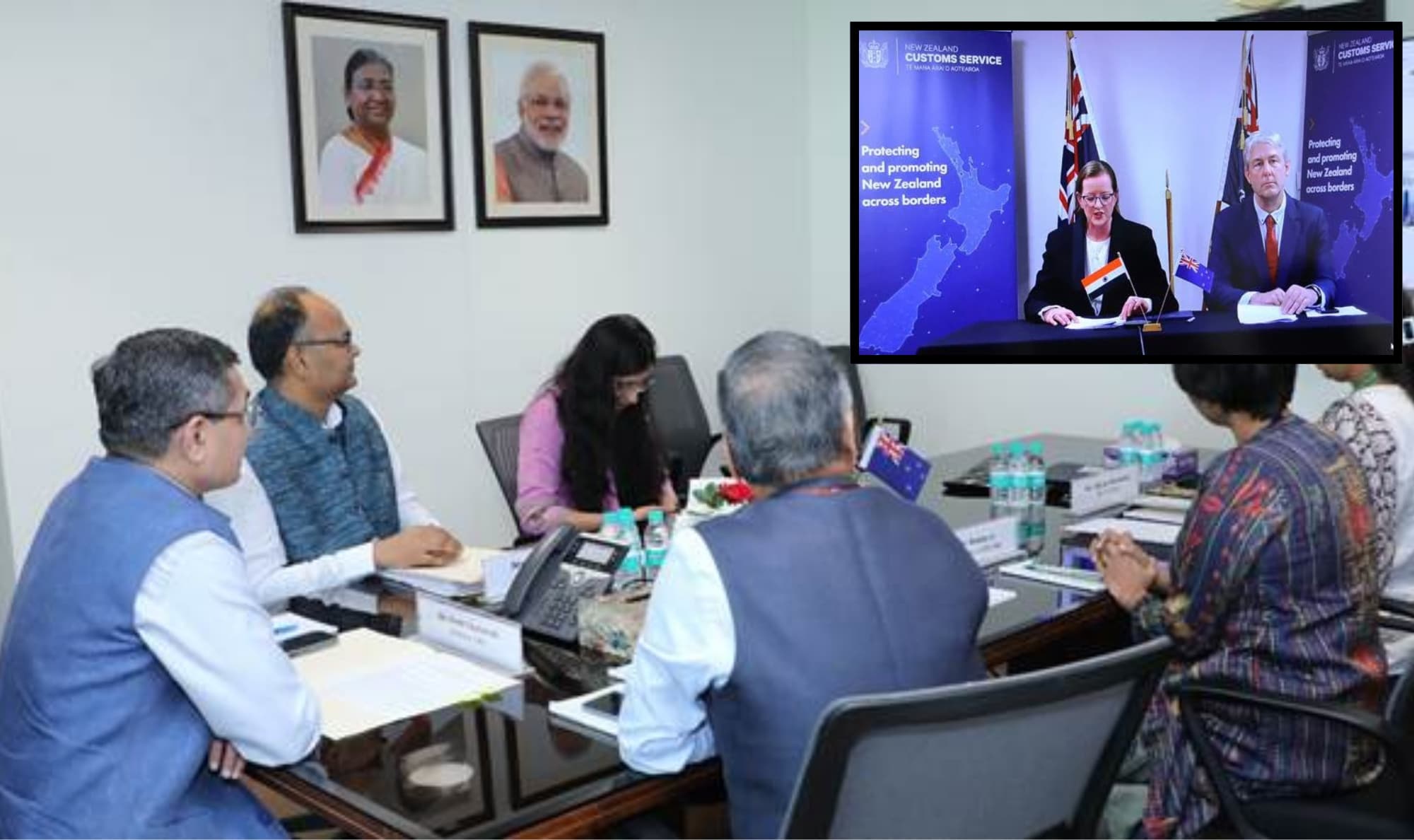
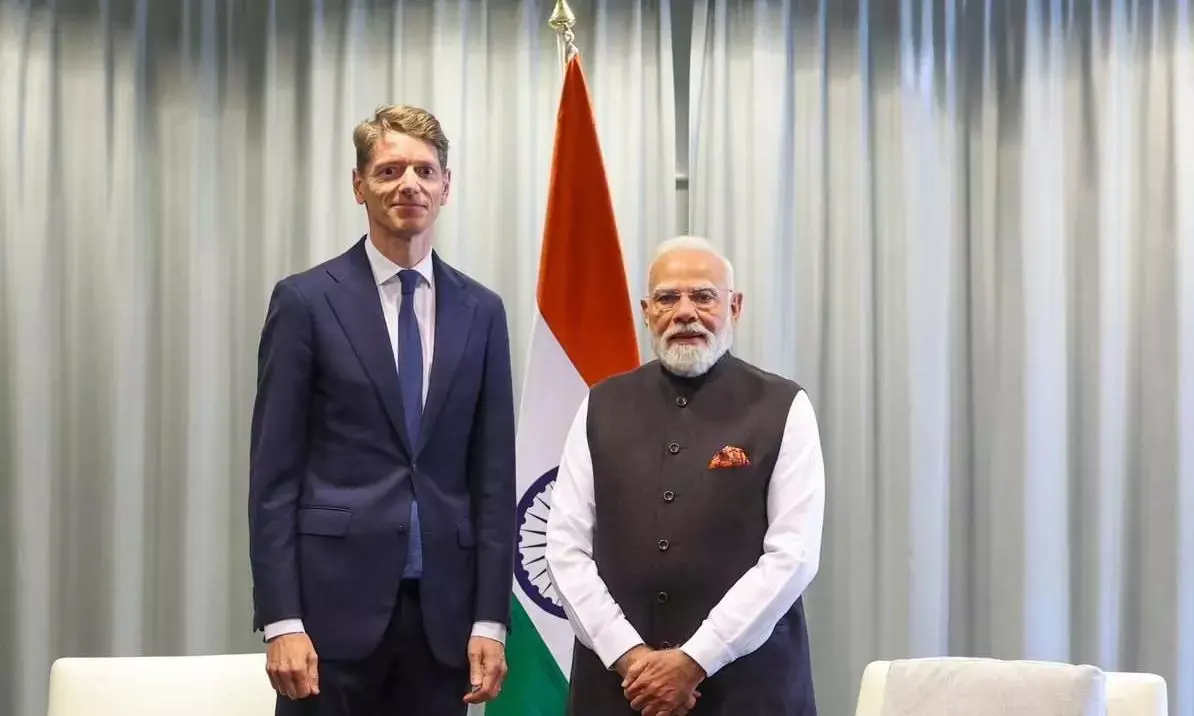
During a bilateral meeting, Cyprus' Shipping Deputy Minister, Marina Hadjimanolis, reaffirmed her country's support for India's efforts to obtain European Union (EU) recognition for eligible Indian ship-recycling facilities.
The two ministers also discussed shipping, shipbuilding, maritime investment, seafarer welfare and maritime services. Hadjimanolis said around 25 leading Cypriot companies were expected to visit India in November to explore partnerships in shipping, ship management, maritime technology and related sectors. Both sides welcomed the India-Cyprus strategic partnership and emphasised the importance of converting it into tangible commercial opportunities.
Conference
Conference
"I look forward to working with you to translate our Strategic Partnership into concrete and mutually beneficial maritime outcomes," Sarbananda Sonowal said.
In a meeting with Kim Jin-jong, CEO of Sejin Heavy Industries, discussions centred on potential manufacturing partnerships involving large shipbuilding blocks, LPG and LNG cargo tanks, cryogenic structures that keep gases liquefied at very low temperatures, and other specialised marine equipment. The Indian delegation highlighted opportunities emerging from new shipbuilding clusters and the expansion of existing shipyards. Cochin Shipyard Ltd (CSL) also explored the possibility of block fabrication with Sejin, which expressed openness to evaluating the proposal. Developing domestic tank manufacturing and cryogenic capabilities could further strengthen India's shipbuilding ecosystem.
"India's growing maritime ecosystem offers immense opportunities for Korean expertise and Indian manufacturing capabilities to come together. A modern green fleet needs specialised capability, from cryogenic tanks to ship blocks. Under Prime Minister Narendra Modi's vision, we are building that capability at home with the best partners in the world, and green shipping in India will be the stronger for it," said Sarbananda Sonowal.
During his meeting with Yang Won-chang, President of the Korea Marine Equipment Research Institute (KOMERI), Sonowal discussed cooperation in marine equipment manufacturing, research and development, testing, certification, green propulsion and smart maritime technologies. Both sides considered institutional cooperation between KOMERI and the proposed India Ship Technology Center (ISTC), along with opportunities for Korean marine equipment manufacturers to work with Indian companies. Sonowal invited KOMERI and interested Korean manufacturers to visit India and identify practical areas for technical and industrial cooperation.
"We are developing the India Ship Technology Center as a national platform for ship design, research, testing and training. Testing and certification at home, with Korean technical expertise, will help Indian-made marine equipment meet international standards and prepare our yards for green propulsion and smart ship technologies," Sonowal said.
The Indian delegation led by Union Minister Sarbananda Sonowal also held discussions with a team led by Jay Y. Lee, Senior Executive Vice President of HMM. The talks covered the possibility of flagging HMM vessels in India, recruiting Indian seafarers, using Indian ship-recycling facilities compliant with the Hong Kong Convention (HKC), and extending shipping services to additional Indian ports outside HMM's existing network. In a separate meeting with Ahn Byung-gil, CEO of Korea Ocean Business Corporation (KOBC), the delegation explored investment and business opportunities in India's expanding maritime sector, particularly in port infrastructure and shipping.
Sonowal also encouraged stronger cooperation between South Korean maritime finance institutions and Indian stakeholders. India has approved a shipbuilding support package worth approximately $7.8 billion, while major shipbuilding clusters are being developed. The country also has a pipeline of more than 400 vessels, with an estimated value of $23 billion.
The meetings created fresh opportunities for cooperation with international maritime companies and institutions, supporting India's ambition to become a leading global centre for shipbuilding, shipping and maritime services by 2047.
Explore the latest edition of Journal of Supply Chain Magazine and be part of the JOSC News Bulletin.
Discover all our upcoming events and secure your tickets today.
Journal of Supply Chain is a Hansi Bakis Media brand.
Subscribe to our Daily Newsletter
Subscribe For FreeBy continuing you agree to our Privacy Policy & Terms & Conditions