News
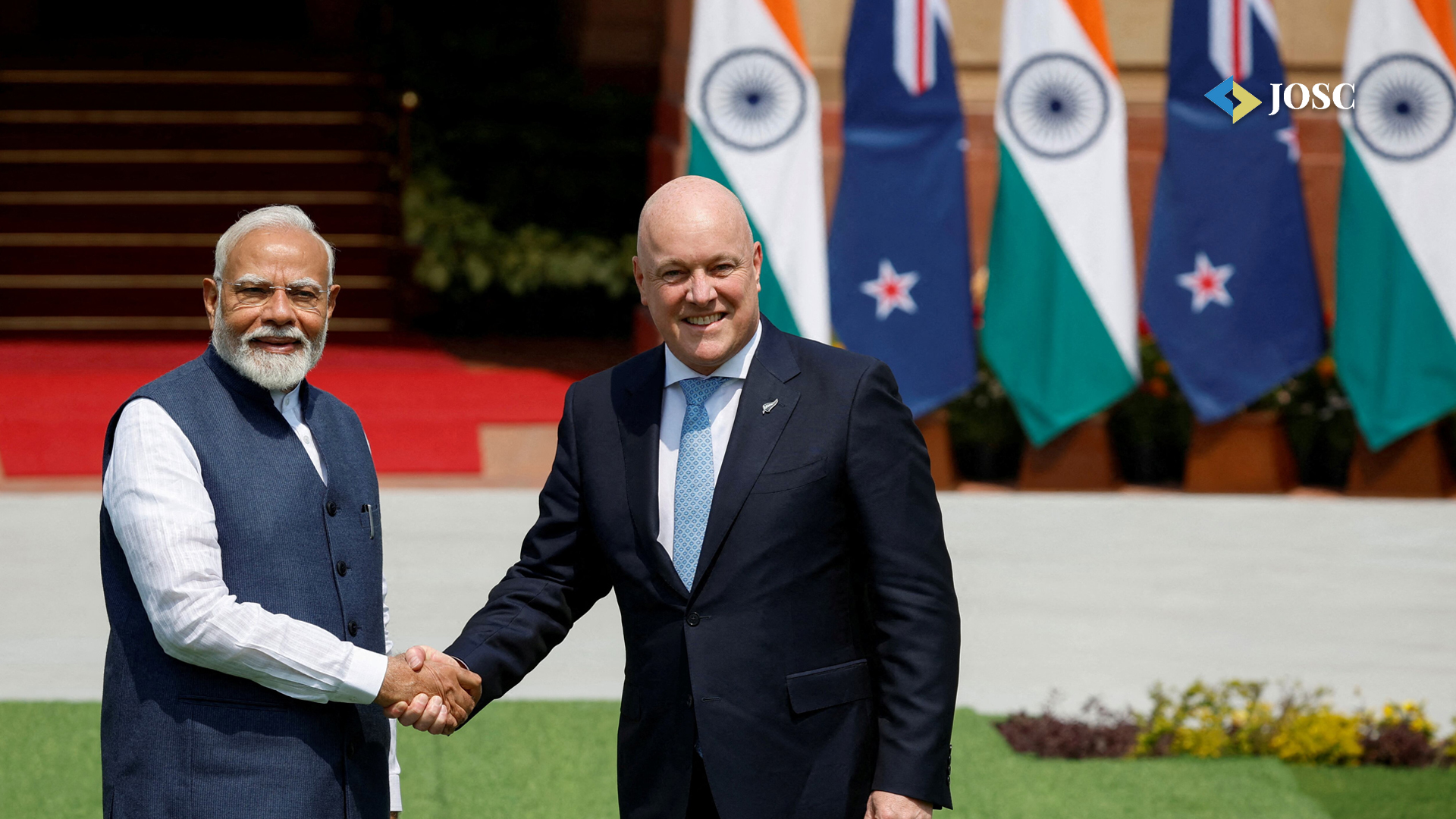
India’s Semiconductor Push: Trade Delegation in Eindhoven Courts Dutch Chip Giants
 Anamika Mishra,
Sub Editor
Anamika Mishra,
Sub Editor
Anamika Mishra,
Sub Editor
Anamika Mishra,
Sub Editor
Strategic Semiconductor Overture
India’s determined push to build a strong domestic semiconductor manufacturing ecosystem has taken its trade delegation to Eindhoven in the Netherlands, widely regarded as one of the world’s key hubs for chip innovation. During discussions with industry leaders, the delegation showcased India’s ambitious semiconductor incentive program, which offers subsidies of up to 50% of project costs for eligible fabrication plants and allied manufacturing units. The policy is aimed at attracting global investment and encouraging international semiconductor companies to explore opportunities in the Indian market.
Dutch companies have emerged as crucial partners in this effort. Firms such as ASML — the only global supplier of extreme ultraviolet (EUV) lithography machines essential for advanced chip manufacturing — and NXP Semiconductors, known for its strong presence in automotive and Internet-of-Things (IoT) chips, were key stakeholders in the talks. India’s proposal comes at a time when companies are navigating geopolitical trade pressures and supply chain realignments driven by the ongoing technology rivalry between the United States and China. ASML has already indicated that it plans to establish a support office in India, signaling rising strategic engagement with the country’s semiconductor ambitions.
The Global Play for Semiconductor Dominance
India’s outreach to the Netherlands reflects a much larger global movement to strengthen semiconductor supply chains. Governments across the world are racing to secure domestic chip manufacturing capacity as demand for semiconductors surges. The United States introduced the CHIPS and Science Act, allocating about $52.7 billion to boost domestic production and research. Similarly, the European Union’s Chips Act aims to increase Europe’s share of the global semiconductor market to 20% by the end of the decade.
Within this evolving landscape, India is positioning itself as a major future manufacturing and design destination. Historically, the country’s semiconductor journey has faced setbacks — including the 1989 fire at the Semiconductor Complex Limited (SCL) facility and long-standing funding challenges. These difficulties slowed India’s early progress at a time when Taiwan’s TSMC was emerging as the global leader in semiconductor manufacturing.
Today, however, the sector is witnessing a dramatic expansion. The global semiconductor market is projected to reach nearly $975 billion by 2026, fueled largely by artificial intelligence, cloud computing, electric vehicles and next-generation electronics. Dutch companies are closely watching India’s potential role in this growth story. NXP Semiconductors, which already operates four research and development centers in India employing more than 3,000 engineers, considers the country an important strategic base. The company — which held about 10.8% share of the global automotive semiconductor market in 2023 — expects India to contribute nearly 8-10% of its global revenues in the coming years.
Conference
Conference
The Forensic Bear Case
Despite strong policy support from the Indian government, building a competitive semiconductor manufacturing base remains a complex challenge. Incentives covering up to half the project cost can help reduce financial barriers, but executing large-scale fabrication projects and attracting the level of investment seen in East Asian semiconductor hubs will require sustained effort.
The global subsidy race has intensified competition for semiconductor investment. Programs launched by the United States, Europe, and several Asian economies are offering attractive packages to chipmakers, making the contest for new fabrication facilities increasingly tight. Beyond financial incentives, success in semiconductor manufacturing also depends on reliable infrastructure, advanced logistics, access to water and power, and a highly specialized workforce — areas where India is still expanding capabilities.
Industry signals also highlight a cautious approach from multinational companies. While ASML plans to establish a support office in India and already operates software development centers in the country, it has not announced immediate plans to build manufacturing or major research facilities locally. The company continues to focus on supporting existing customers and strengthening collaboration with Indian technology partners.
NXP Semiconductors is expanding its presence as well, particularly in design and R&D activities. The company recently outlined plans to invest around $1 billion to scale its research operations in India, but most of its manufacturing continues to be based in existing global facilities. Analysts note that over-reliance on government incentives, along with potential geopolitical shifts affecting technology investments, remains a risk factor for India’s semiconductor strategy.
The Future Outlook
Despite these challenges, the long-term outlook for the semiconductor sector remains optimistic. Analysts tracking ASML stock generally maintain a “Moderate Buy” consensus rating, with price targets indicating potential upside in the coming quarters. NXP Semiconductors also holds a similar “Moderate Buy” outlook, with analysts projecting around 15–17% growth potential from its current share price levels.
The broader industry trajectory is even more promising. With artificial intelligence, advanced computing, and connected technologies driving demand, global semiconductor sales are expected to approach the $1 trillion mark by 2026. India’s active engagement with Dutch semiconductor leaders therefore reflects a strategic effort to secure a place in this rapidly expanding industry. While transforming into a major semiconductor manufacturing hub will take time and sustained investment, the country’s latest diplomatic and industrial outreach suggests it is positioning itself for a larger role in the future of the global chip supply chain.
Explore the latest edition of Journal of Supply Chain Magazine and be part of the JOSC News Bulletin.
Discover all our upcoming events and secure your tickets today.
Journal of Supply Chain is a Hansi Bakis Media brand.
Subscribe to our Daily Newsletter
Subscribe For FreeBy continuing you agree to our Privacy Policy & Terms & Conditions