News
India and Russia Forge New Transport Corridors to Boost Trade and Logistics
 Anamika Mishra,
Sub Editor
Anamika Mishra,
Sub Editor
Anamika Mishra,
Sub Editor
Anamika Mishra,
Sub Editor
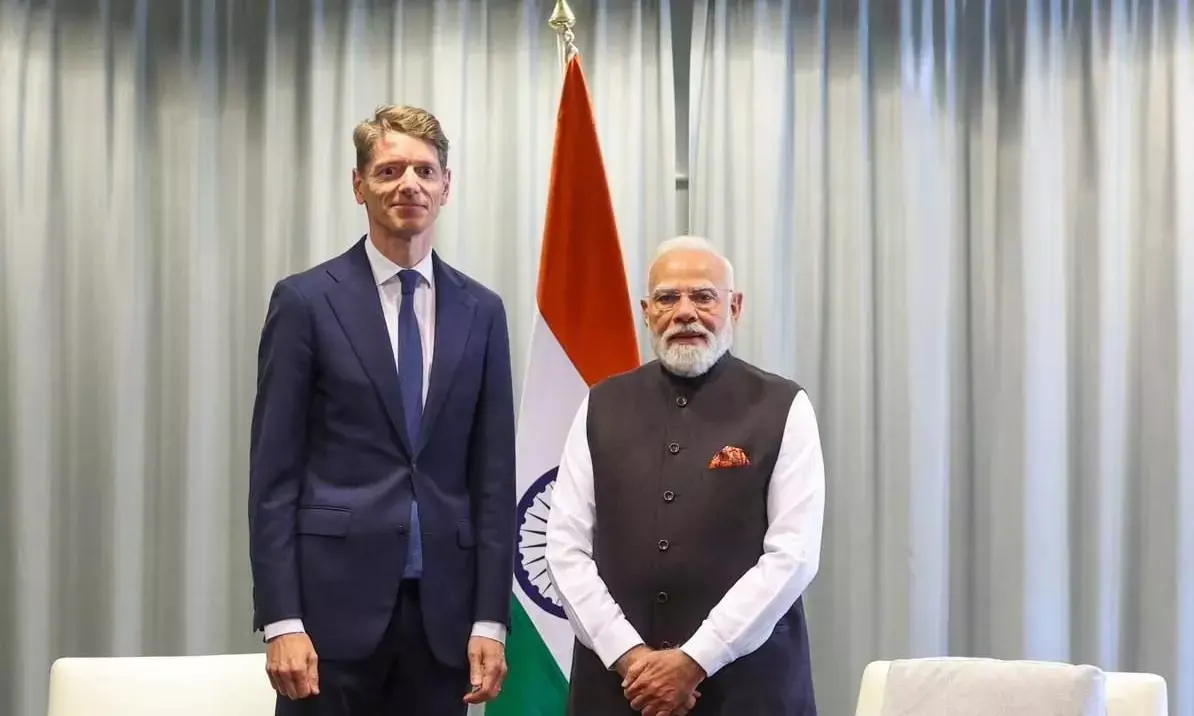
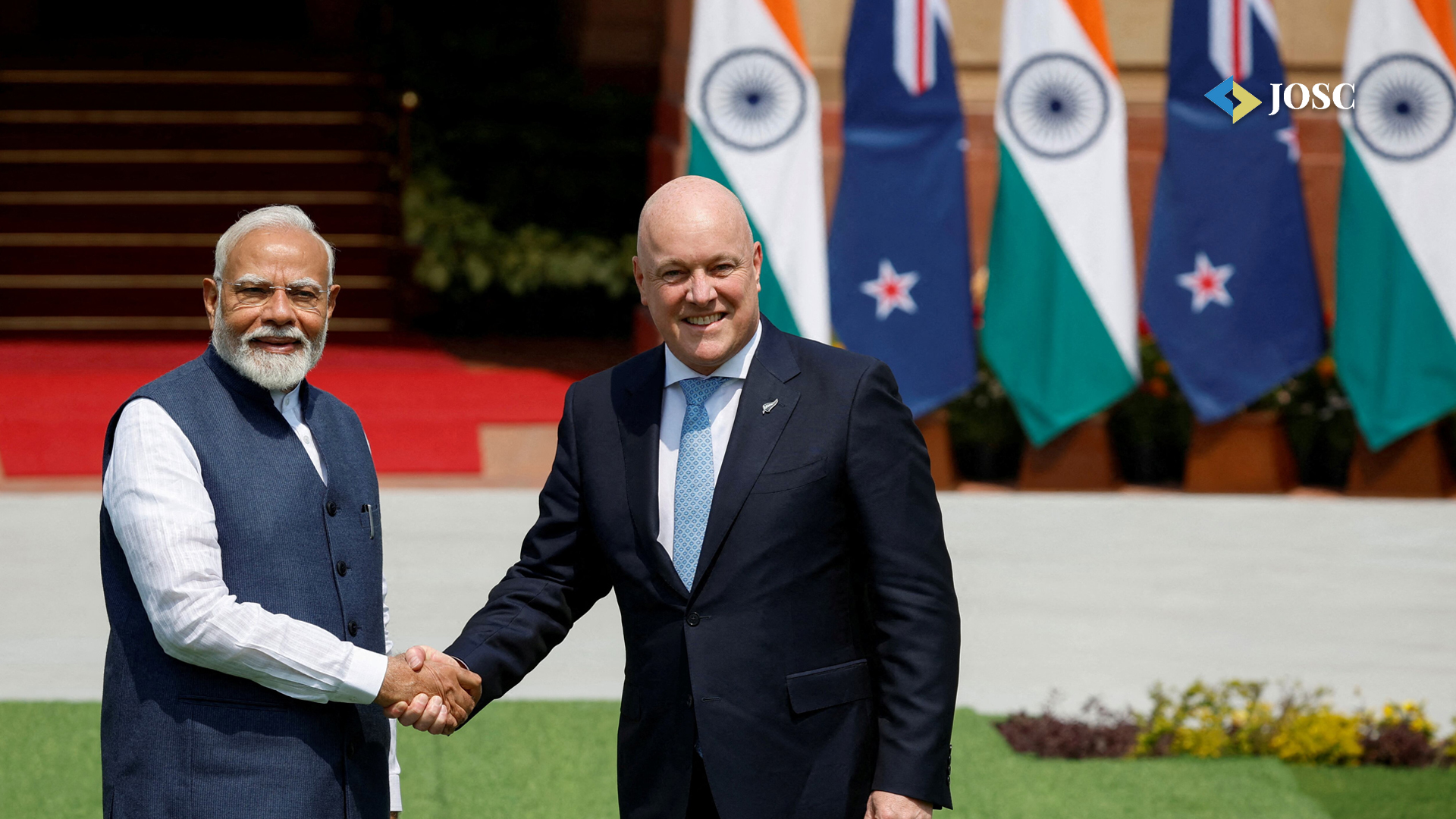
India and Russia demonstrated a commitment to strengthening their supply chain and logistics connections at the 22nd India-Russia Annual Summit, with an emphasis on improving infrastructural capabilities. The objectives are very clear: to maximise the potential of the Northern Sea Route and help with the establishment of the International North-South Transport Corridor (INSTC) and the Chennai-Vladivostok Eastern Maritime Corridor. President Vladimir Putin of Russia and Prime Minister Narendra Modi of India emphasised their common goal of creating reliable and effective transport corridors during the recent 22nd India-Russia Annual Summit.
An important route connecting Russia's Far East with India is the Chennai-Vladivostok Eastern Maritime Corridor, which has the potential to greatly reduce transit times and costs while streamlining maritime trade.
The INSTC, on the other hand, is a multimodal network of road, rail, and ship connections that facilitates the movement of cargo between Russia, Central Asia, India, Iran, Afghanistan, Armenia, and Azerbaijan. This corridor intends to cut the shipping time of products to Europe by 40%, providing a viable alternative to the old Suez Canal route.
The Northern Sea Route (NSR), which hugs Russia's Arctic coast, will be essential to establishing a connection between the two nations. Both governments agreed to form a joint working group under the Intergovernmental Russian-Indian Transport and Economic Cooperation (IRIG-TEC) framework to boost collaboration.
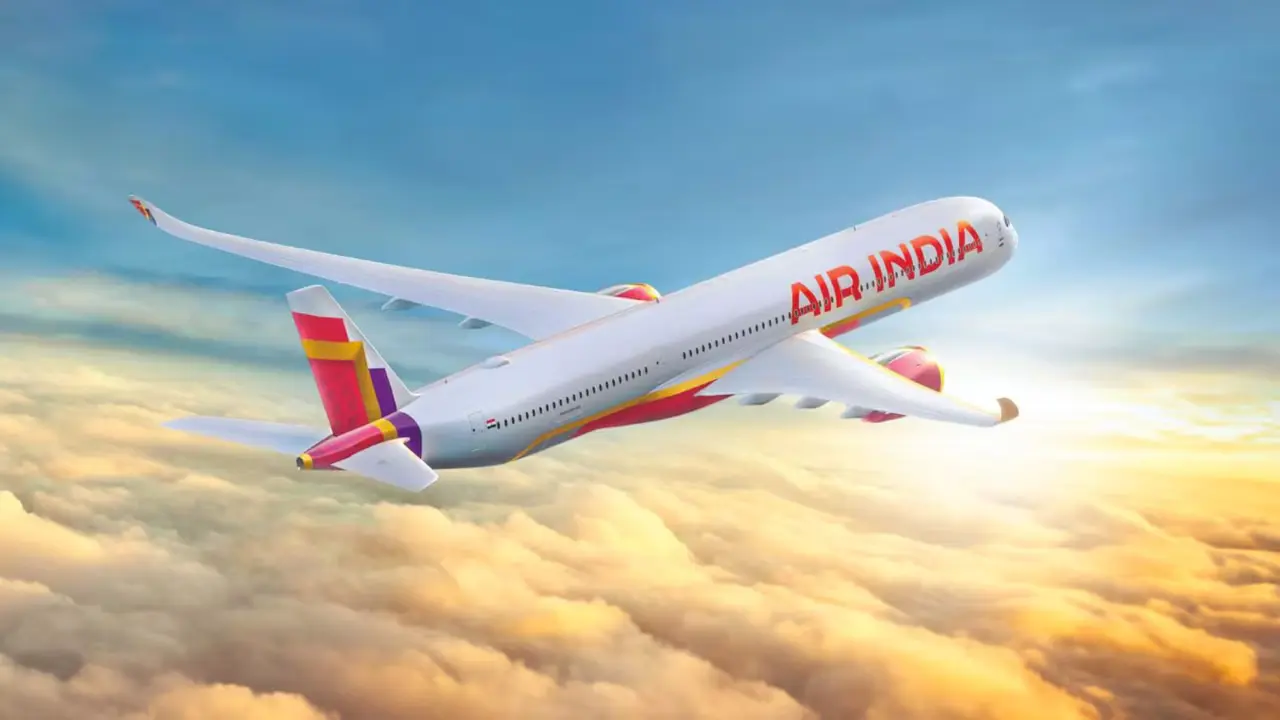
In addition to the aforementioned vital surface links that link Europe and Russia with India, the summit emphasised the need of collaboration in civil aviation. The Sub-Working Group on Civil Aviation's recent meeting in Moscow set the basis for increased collaboration in civil aviation security and operations.
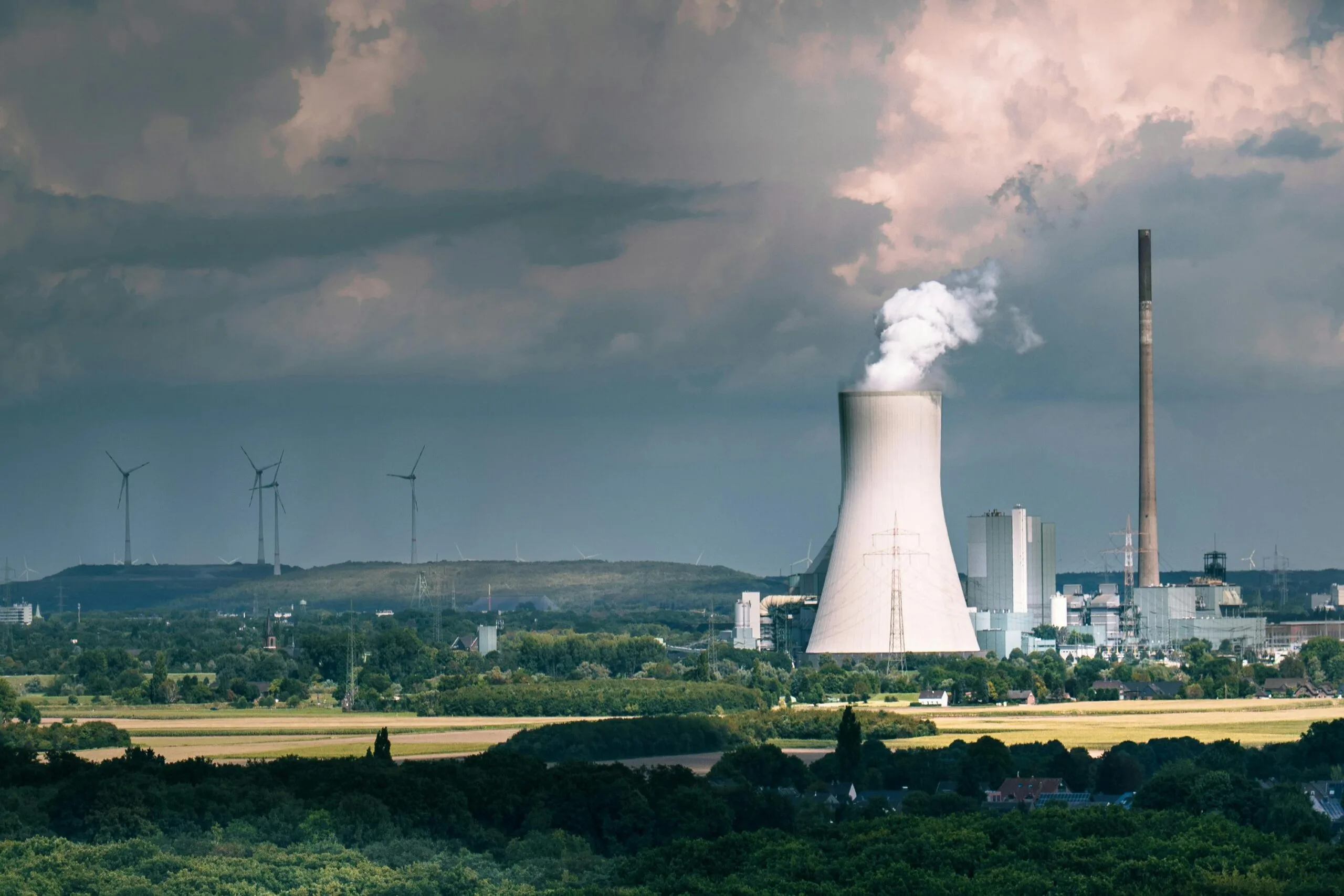
An essential component of the India-Russian friendship is still energy cooperation. In order to guarantee energy security, both nations researched new long-term contracts and acknowledged the need of bilateral commerce in energy resources. It was also stressed that continuous cooperation in the coal sector is necessary, with an emphasis on expanding Russia's anthracite coal exports and India's coking coal supply.
In order to promote commerce, economic, educational, and cultural contacts, both countries emphasised the importance of interregional communication between the areas of the Russian Far East and Indian states. They also encouraged the formation of twinning links. In an effort to deepen economic connections, the Russian government has extended an invitation to Indian businessmen to take part in high-tech projects located in the Russian Far East's Territories of Advanced Development.
Collaboration in the defence industry is developing towards cooperative research and development, co-development, and joint manufacturing of cutting-edge defence systems and technologies. In order to ensure the maintenance of defence equipment of Russian origin, a new Working Group on Technological Cooperation has been established. Its goal is to promote collaborative manufacturing of spare parts, components, and other items under the Make-in-India initiative.
Explore the latest edition of Journal of Supply Chain Magazine and be part of the JOSC News Bulletin.
Discover all our upcoming events and secure your tickets today.
Journal of Supply Chain is a Hansi Bakis Media brand.
Subscribe to our Daily Newsletter
Subscribe For FreeBy continuing you agree to our Privacy Policy & Terms & Conditions