News
India Participates in First In-Person IPEF Supply Chain Council and Crisis Response Network Meetings in Washington, DC
 Anamika Mishra,
Sub Editor
Anamika Mishra,
Sub Editor
Anamika Mishra,
Sub Editor
Anamika Mishra,
Sub Editor
India attended its first in-person meeting of the Indo-Pacific Economic Forum (IPEF) Supply Chain Council on September 12, 2024, followed by a Crisis Response Network (CRN) meeting on September 13. These formal gatherings included panel discussions focused on enhancing supply chain resilience, particularly emphasizing US initiatives such as the establishment of a dedicated Supply Chain Centre and the development of the SCALE tool.The meetings marked significant progress, with the Council adopting a one-year work plan outlining its objectives. Three Action Plan Teams were formed to target critical sectors: Semiconductors, Critical Minerals (with a focus on batteries), and Chemicals. Additionally, there was a consensus to create another Action Plan Team dedicated to the Healthcare and Pharma sector, which will commence once the chair is finalized.
Conference
Conference
These teams are vital for addressing the vulnerabilities exposed during the COVID-19 pandemic, particularly in supply chains concentrated in a few countries. For instance, the semiconductor ecosystem benefits from varying strengths among partner nations—some excel in chip design while others offer substantial investments for manufacturing and infrastructure.
The importance of securing reliable supplies of critical minerals has grown, especially given their essential role in clean energy, electronics, defense, and pharmaceuticals. Supply risks related to concentration and global market dynamics can lead to price volatility and supply disruptions, making resilience crucial.
The meetings also resulted in the formation of two subcommittees. The Sub-committee on Logistics and Movement of Goods aims to enhance logistics services and infrastructure across the IPEF region, while the Sub-committee on Data and Analytics will focus on exchanging analytical approaches to assess supply chain exposures and risks. India stressed the need for workforce development to address skills gaps, which is being positively considered.
The Crisis Response Network meeting, chaired by the Republic of Korea, featured an emergency simulation exercise that examined potential supply chain disruptions affecting chemical imports. This exercise underscored the CRN's commitment to addressing immediate supply chain challenges.
The IPEF's Supply Chain Resilience Agreement, effective February 24, 2024, aims to strengthen economic engagement among partner countries to foster growth and stability in the region. The agreement has led to the establishment of three institutional bodies: the Supply Chain Council (SCC), Crisis Response Network (CRN), and the Labour Rights Advisory Board (LRAB).
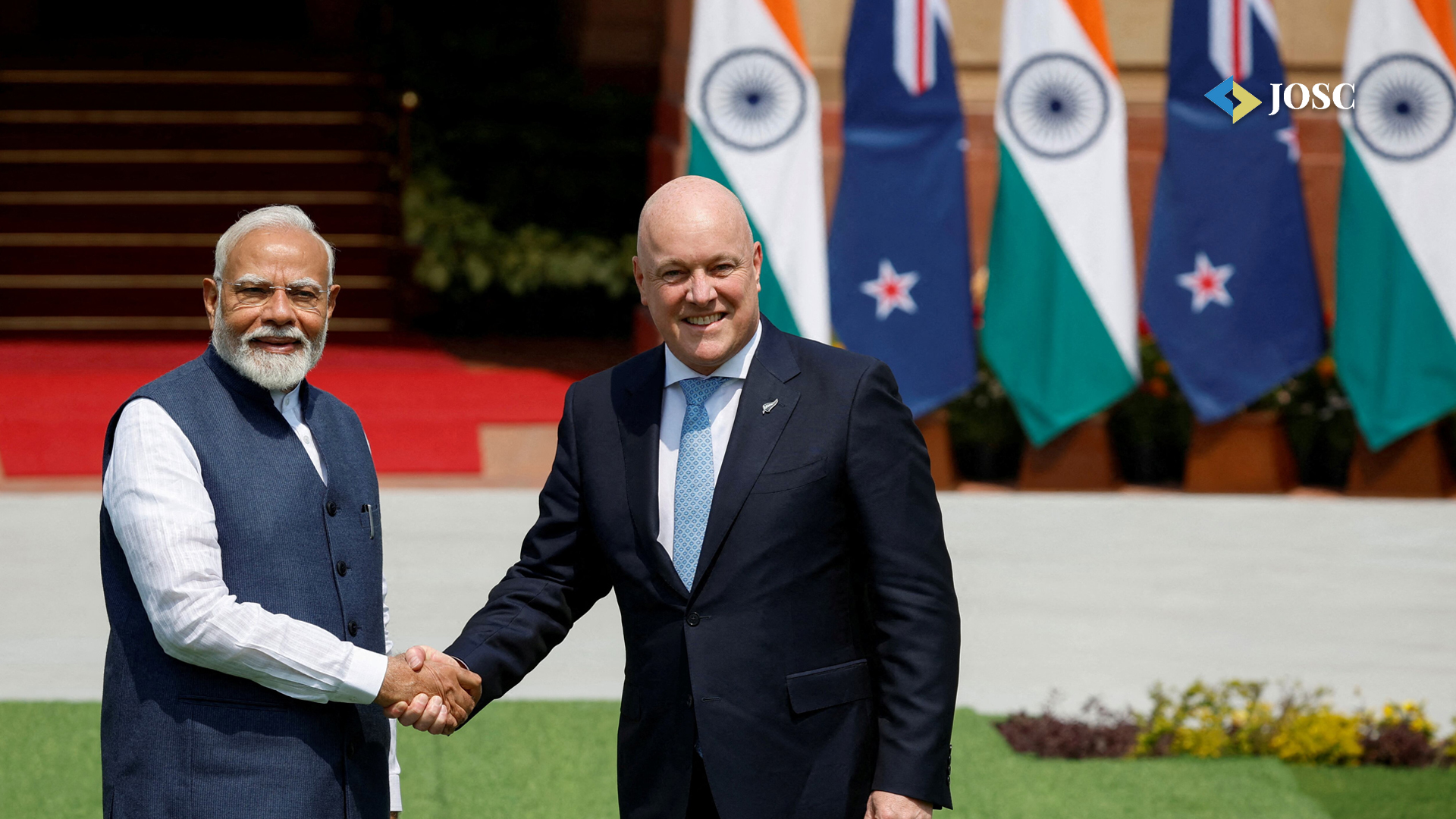
In addition to the Council meetings, India engaged in bilateral discussions with the United States, Australia, New Zealand, Japan, Malaysia, Indonesia, and the Republic of Korea to explore pathways for robust supply chain collaboration in the Indo-Pacific region.
Explore the latest edition of Journal of Supply Chain Magazine and be part of the JOSC News Bulletin.
Discover all our upcoming events and secure your tickets today.
Journal of Supply Chain is a Hansi Bakis Media brand.
Subscribe to our Daily Newsletter
Subscribe For FreeBy continuing you agree to our Privacy Policy & Terms & Conditions