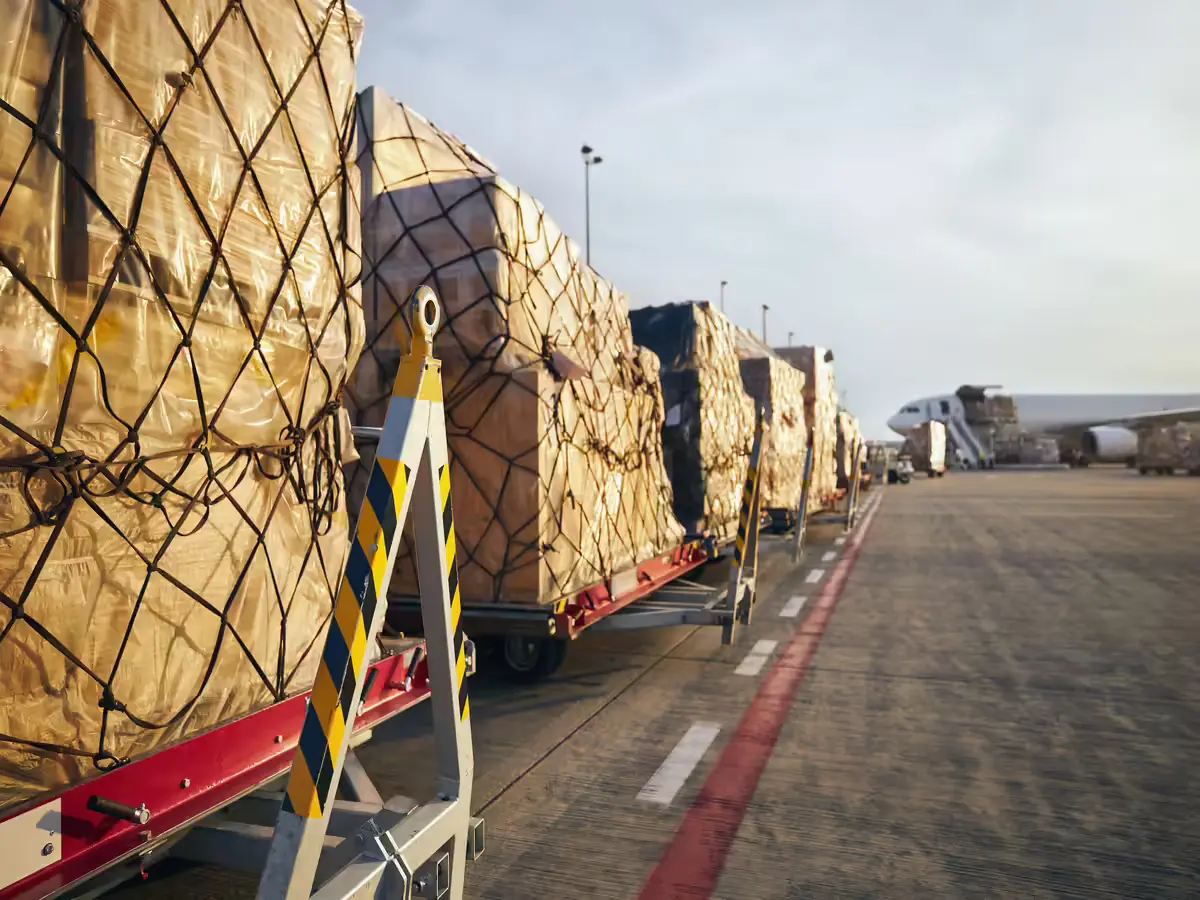
While tensions along the India-Pakistan border have momentarily eased, a more enduring conflict is unfolding deep within global import-export supply chains far from the eyes of soldiers and sensors. The recent standoff, which saw India activating its air defense systems and heightening electronic surveillance, has exposed a critical vulnerability: India’s overwhelming reliance on imported cobalt to power its next-generation defense platforms.
From precision-guided missiles to stealth aircraft and advanced naval systems, cobalt plays an indispensable role. But currently, India sources nearly all of its cobalt from abroad largely from China highlighting a strategic gap in its import-export supply chain management.
“Cobalt is not just a metal; it’s a national security enabler,” notes Vinayak Singal, Assistant Vice President at Lohum. “India’s current import-export in supply chain management is heavily tilted toward Chinese suppliers, especially for the cobalt used in high-performance superalloys crucial to our defense technologies. This overdependence is a significant strategic vulnerability.”
The Indo-Pak conflict briefly brought into sharp focus the readiness and sophistication of Indian defense systems, especially missile and air defense networks. But beneath the radar domes and beyond the reach of hypersonic propulsion systems lies a common denominator cobalt-based components essential for heat resistance, magnetic performance, and structural durability.
Whether it’s the Light Combat Aircraft (LCA) Tejas, long-endurance unmanned aerial vehicles, or future naval propulsion systems, India’s efforts at defense indigenisation are directly constrained by a fragile export-import supply chain for cobalt.
According to the 2024 Cobalt Market Report, global import-export management is witnessing a surge in defense-led cobalt demand. This puts further pressure on India to re-evaluate its export supply chain management, diversify sourcing, and develop domestic refining capabilities.
As the global geopolitical environment becomes increasingly volatile, India’s national security strategy must extend beyond the battlefield to the boardroom and the smelter. A resilient and diversified import-export supply chain management model is no longer optional, it’s essential. Building strategic reserves, forging new trade partnerships, and investing in domestic extraction and refining of cobalt are necessary steps if India hopes to reduce its dependency and secure the future of its defense technologies.
Explore the latest edition of Journal of Supply Chain Magazine and be part of the JOSC News Bulletin.
Discover all our upcoming events and secure your tickets today.
Journal of Supply Chain is a Hansi Bakis Media brand.
Subscribe to our Daily Newsletter
Subscribe For FreeBy continuing you agree to our Privacy Policy & Terms & Conditions