News

India-Iran Chabahar Port Deal Shrouded in Secrecy Amid Sanctions Concerns

July 25, 2024 2 min read
author Anamika Mishra, Sub Editor
Nearly two months after India inked a 10-year agreement to develop and run Iran's Chabahar Port, it has been revealed that portions of the agreement are being kept secret to avoid US sanctions. Ali Akbar Safaei, Head of Iran's Ports and Maritime Organization, made this disclosure in a recent interview with the local press.

When asked about the Indian operator's future activities in Chabahar, Safaei denied divulging information due to contract confidentiality obligations. "The contract with the Indian operator is public, but some aspects have been made confidential to avoid potential U.S. pressure if all details were publicized," Safaei told reporters.

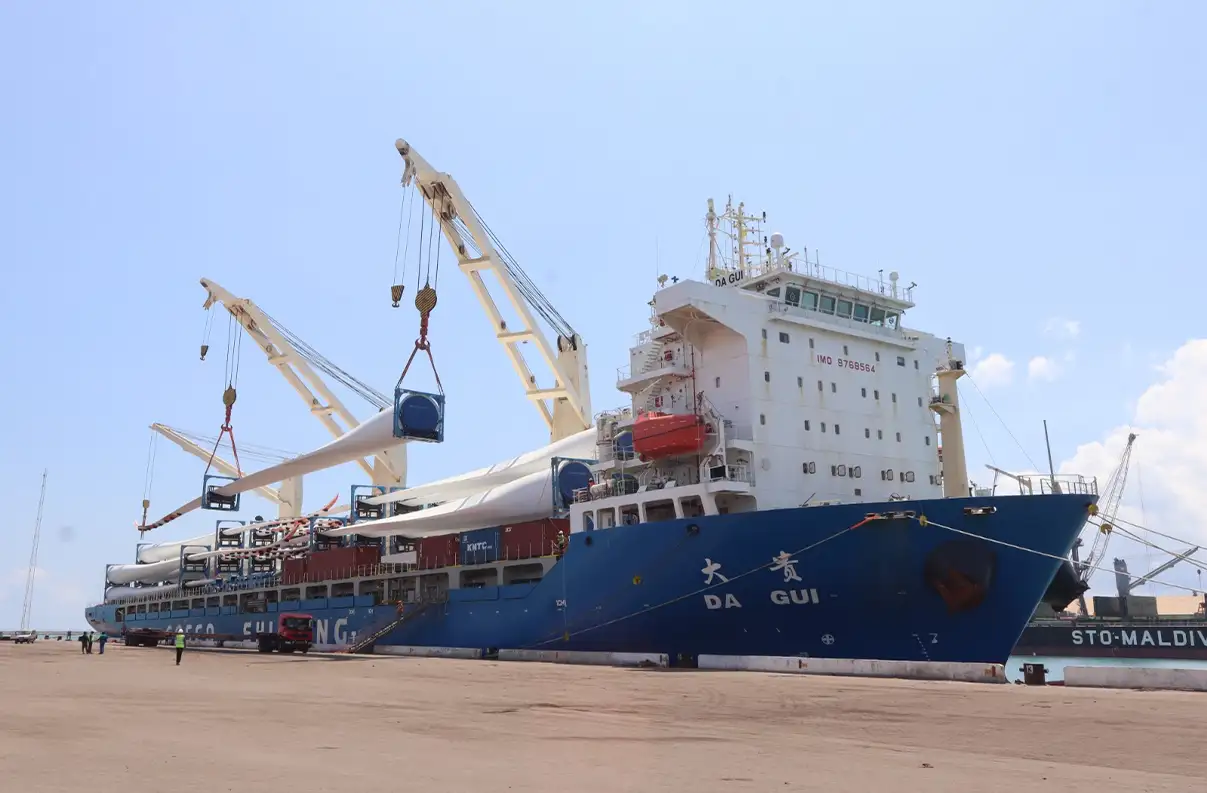
New Delhi sees Chabahar Port as a strategic marine gateway for trade with Afghanistan and Central Asia. The port is an important node for the International North-South Transport Corridor (INSTC), which connects the Indian Ocean, Persian Gulf, and Caspian Sea via Iran. The INSTC comprises India, Russia, and numerous Central Asian countries. Chabahar will also compete directly with the Chinese-backed Gwadar Port in Pakistan, since both seek access to the same territory.

India's involvement in the Chabahar Port has created criticism. Critics contend that India allows Iran to conduct international trade while facing severe economic sanctions from the United States. The US State Department warns against doing business with Iran due to sanctions. This has sparked discussion about how the United States will respond to the India-Iran port agreement.

India initially inked a short-term arrangement for the port in 2018, which was followed by numerous additional deals. In May 2024, the port received a 10-year support contract. India's Foreign Ministry downplayed tensions over the Chabahar contract, adding that New Delhi will "communicate the benefits" to the US and urging countries not to see it narrowly.

Despite the Trump administration's hard stance against Iran, a sanctions waiver was granted to India for the port contract in December 2018. U.S. Secretary of State Mike Pompeo described the port's purpose as providing economic help to Afghanistan.

India's port agreement with Iran emphasizes the shaky relationship between New Delhi and Washington. As India pursues its national interests, it looks to avoid US-led economic sanctions against Russia and Iran. Since the beginning of Western sanctions against Moscow, India has been one of the main buyers of seaborne Russian crude. Following EU and US sanctions on Russia's banking sector, India agreed to buy oil in rubles instead of dollars or euros.


Explore the latest edition of Journal of Supply Chain Magazine and be part of the JOSC News Bulletin.

Discover all our upcoming events and secure your tickets today.


Journal of Supply Chain is a Hansi Bakis Media brand.

Leave Comment

logo

Subscribe to Our Newsletter

The week’s best stories, handpicked by JOSC editors in your inbox every week.

Stay informed with exclusive content