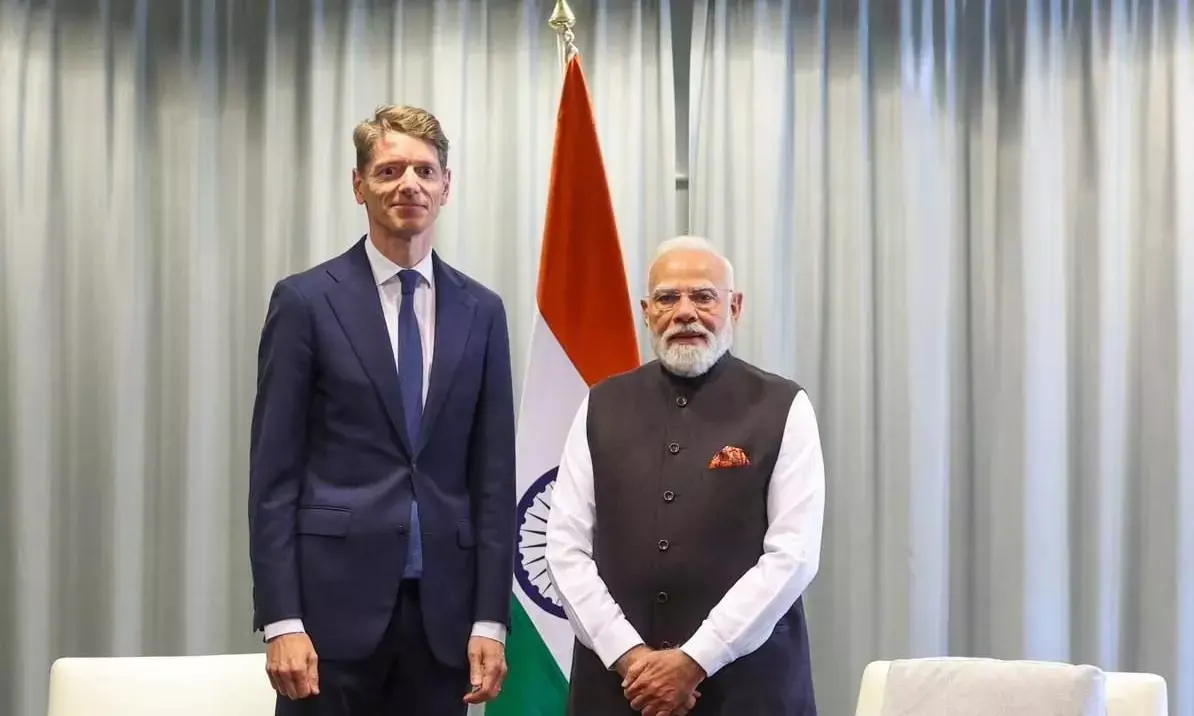
After years of stop-start negotiations, shifting geopolitical priorities and changing global supply chains, India and the European Union now appear close to what policymakers on both sides describe as a defining moment in their economic relationship. The proposed India–EU deal—expected to take shape around the forthcoming bilateral summit—signals more than a conventional trade agreement. It reflects a strategic alignment between two major economic blocs seeking stability, resilience and a long-term partnership in an increasingly uncertain global environment. For India’s business ecosystem, especially its vast MSME base, the deal could unlock access to one of the world’s most sophisticated and high-value markets. At the same time, it raises the bar on compliance, sustainability and quality. In many ways, the India–EU deal could become a litmus test of how competitive, future-ready and globally integrated Indian enterprises truly are. A long road to a strategic momentIndia and the European Union have been engaged in trade discussions for more than a decade. Earlier attempts ran aground over differences on tariffs, regulatory norms, market access and the mobility of professionals. What has changed now is the broader global context. The world economy is increasingly shaped by supply-chain rebalancing, technological fragmentation and a growing emphasis on trusted partners. Europe is actively working to reduce overdependence on a narrow set of sourcing destinations, while India is positioning itself as a credible hub for manufacturing, digital services and innovation. This convergence of interests has injected fresh urgency into negotiations that once appeared structurally stalled. This time, the talks go well beyond tariff schedules. They extend into technology cooperation, standards alignment, sustainable trade and strategic trust—factors that directly influence
The only supply chain registration you need
Unrivaled context behind every news and article for free.
 Anamika Mishra,
Sub Editor
Anamika Mishra,
Sub Editor