News
India Could See Its Own Global Smartphone Brand Soon, Says Ashwini Vaishnaw
 Anamika Mishra,
Sub Editor
Anamika Mishra,
Sub Editor
Anamika Mishra,
Sub Editor
Anamika Mishra,
Sub Editor
India’s push in electronics manufacturing could soon move beyond assembly lines and component exports, paving the way for fully homegrown smartphone brands with global reach, according to Union Minister for Electronics and Information Technology Ashwini Vaishnaw. Speaking to ET NOW on the sidelines of the World Economic Forum 2026 in Davos, the minister said the country is now positioned to build devices that could compete with global giants such as Apple.
Substantial Electronics Ecosystem in Place
Vaishnaw highlighted that India has built a “very substantial” electronics manufacturing ecosystem capable of managing the highly complex, multi-stage processes involved in modern smartphone production. This includes component manufacturing, supply-chain depth, and robust production infrastructure, creating a strong base for domestic brands to emerge and scale. The progress marks a shift from India’s earlier role as largely a contract manufacturer for international companies.
He added that both the government and industry have already done the heavy lifting — from aligning supply chains to strengthening infrastructure — needed to support this transition in the smartphone value chain. This groundwork reflects a clear strategic intent to move towards designing and marketing nationally branded devices, rather than only manufacturing for global players.
Timeline for a Homegrown Brand
Asked about when India might see its own globally recognised smartphone brand — often described as an “Indian Apple” — Vaishnaw said it could happen “very soon, maybe another one year from now or maybe a maximum of 18 months”. If this materialises, India would join a select group of countries that not only manufacture electronics at scale but also innovate and compete worldwide with their own technology brands.
Conference
Conference
Strategic Significance
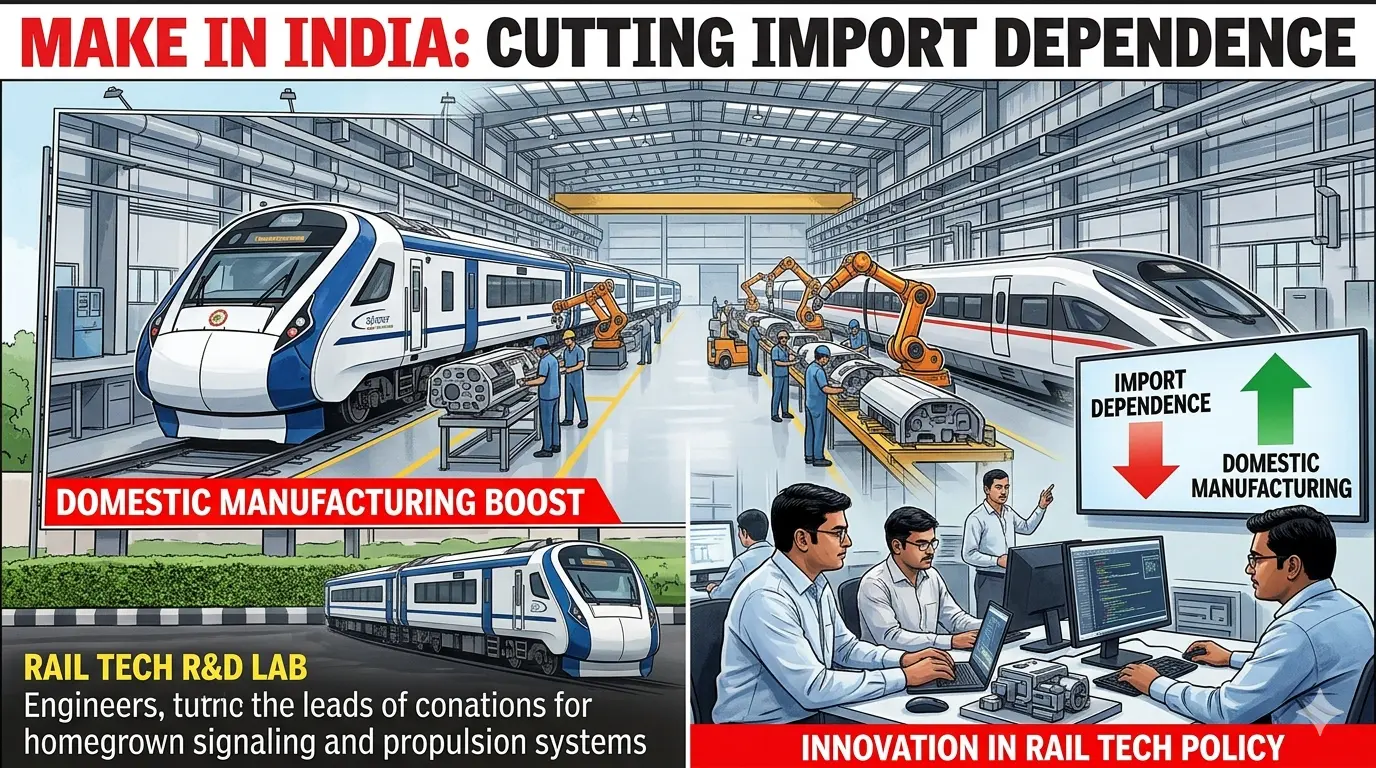
The remarks come as India continues to rapidly expand its electronics manufacturing base through initiatives such as the Production-Linked Incentive (PLI) scheme and the “Make in India” programme. These policies have accelerated domestic production, attracted foreign investment, and strengthened integration across key components including displays, semiconductors, batteries, and camera modules.
According to the minister, the next phase is about converting this manufacturing momentum into brand ownership and design capability, signalling a move from passive production to active product development and global market competition. A successful Indian smartphone brand would be a major milestone for the country’s technology ecosystem, with the potential to boost exports, innovation, and high-value employment in research and design.
Challenges and Outlook
Despite the optimism, creating a globally competitive smartphone brand remains a significant challenge. Beyond manufacturing strength, it demands strong software ecosystems, global brand recall, reliable after-sales networks, and sustained consumer trust — areas where established players currently have a strong edge. Still, the minister’s projected timeline indicates confidence that, with coordinated efforts and strategic investment, India can bridge these gaps and make its mark on the global smartphone stage.
Explore the latest edition of Journal of Supply Chain Magazine and be part of the JOSC News Bulletin.
Discover all our upcoming events and secure your tickets today.
Journal of Supply Chain is a Hansi Bakis Media brand.
Subscribe to our Daily Newsletter
Subscribe For FreeBy continuing you agree to our Privacy Policy & Terms & Conditions