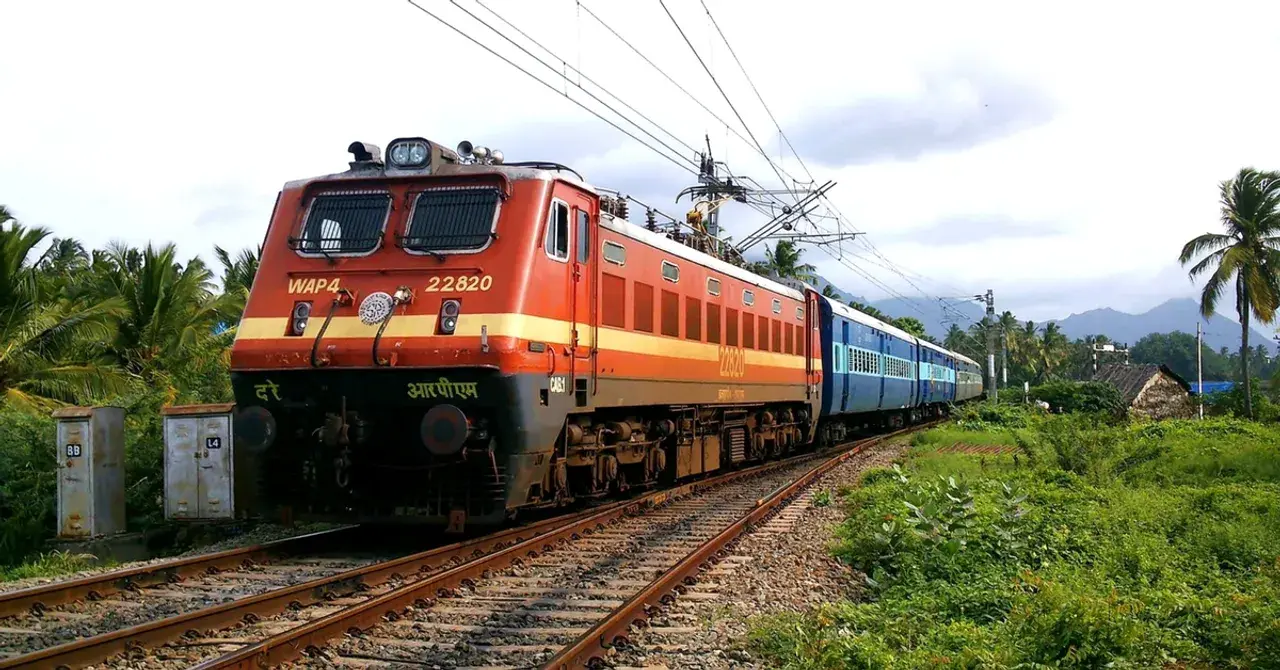
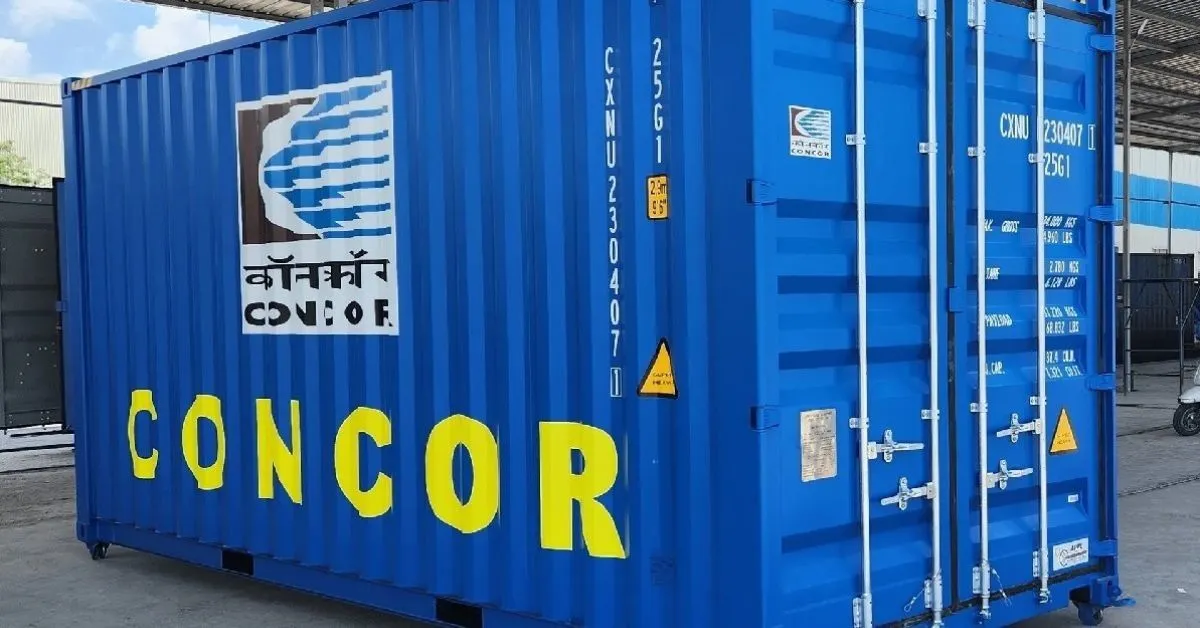
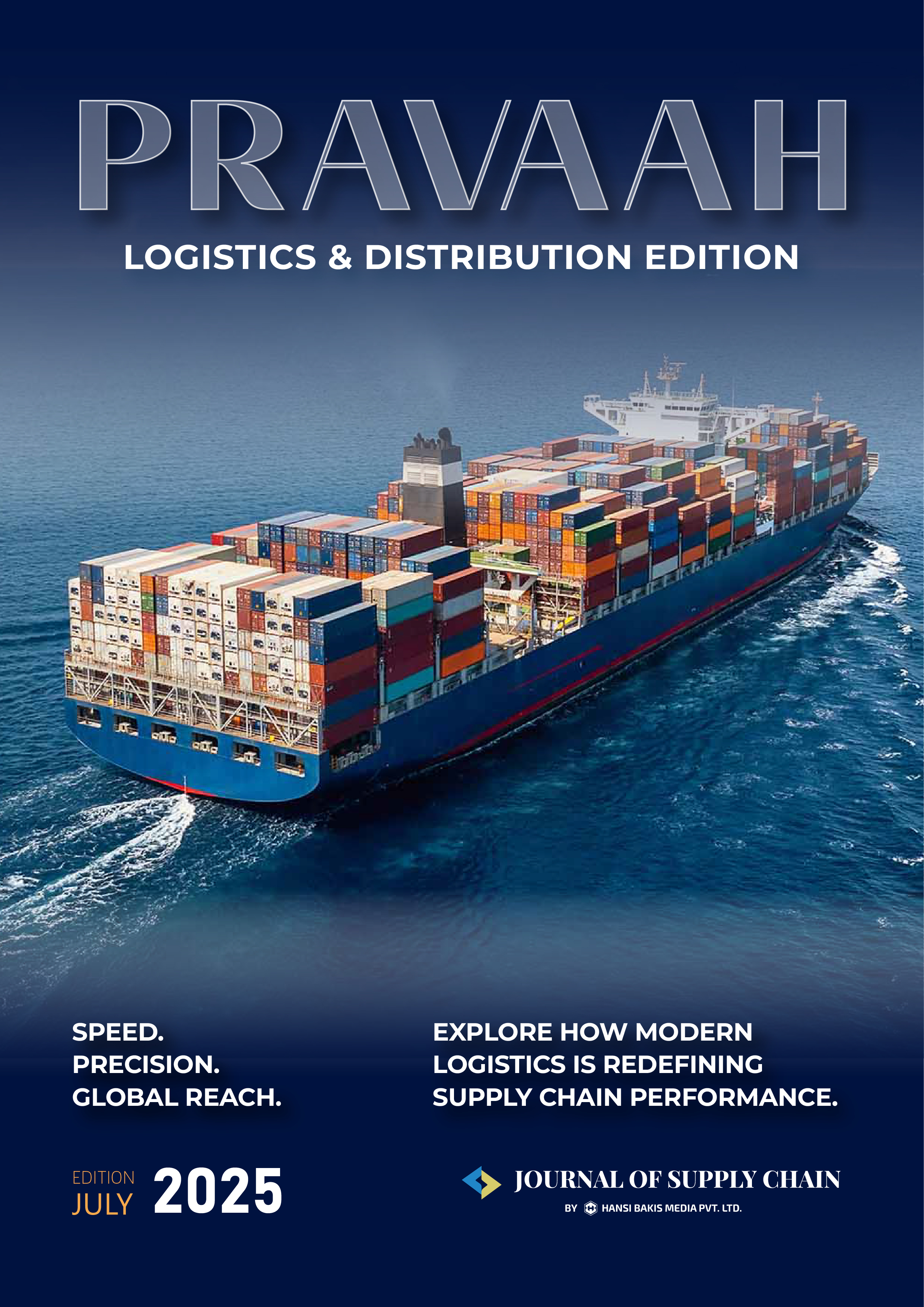
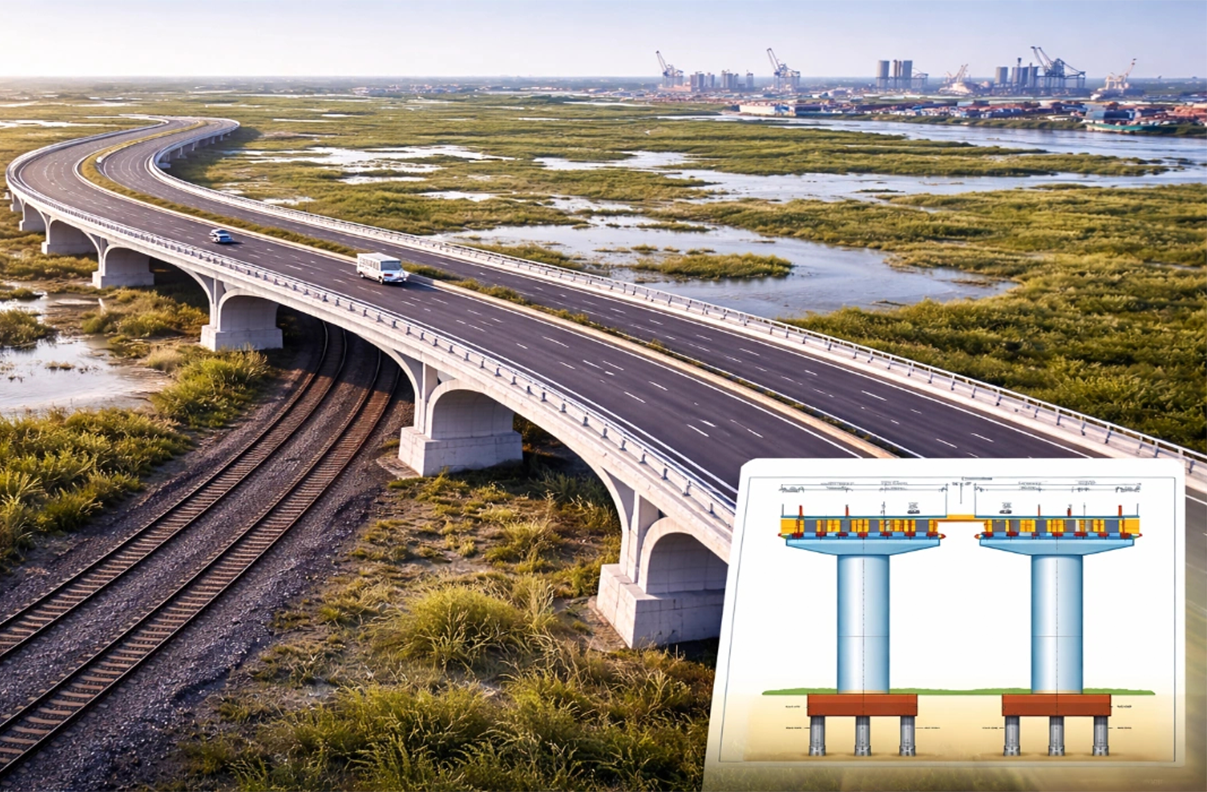
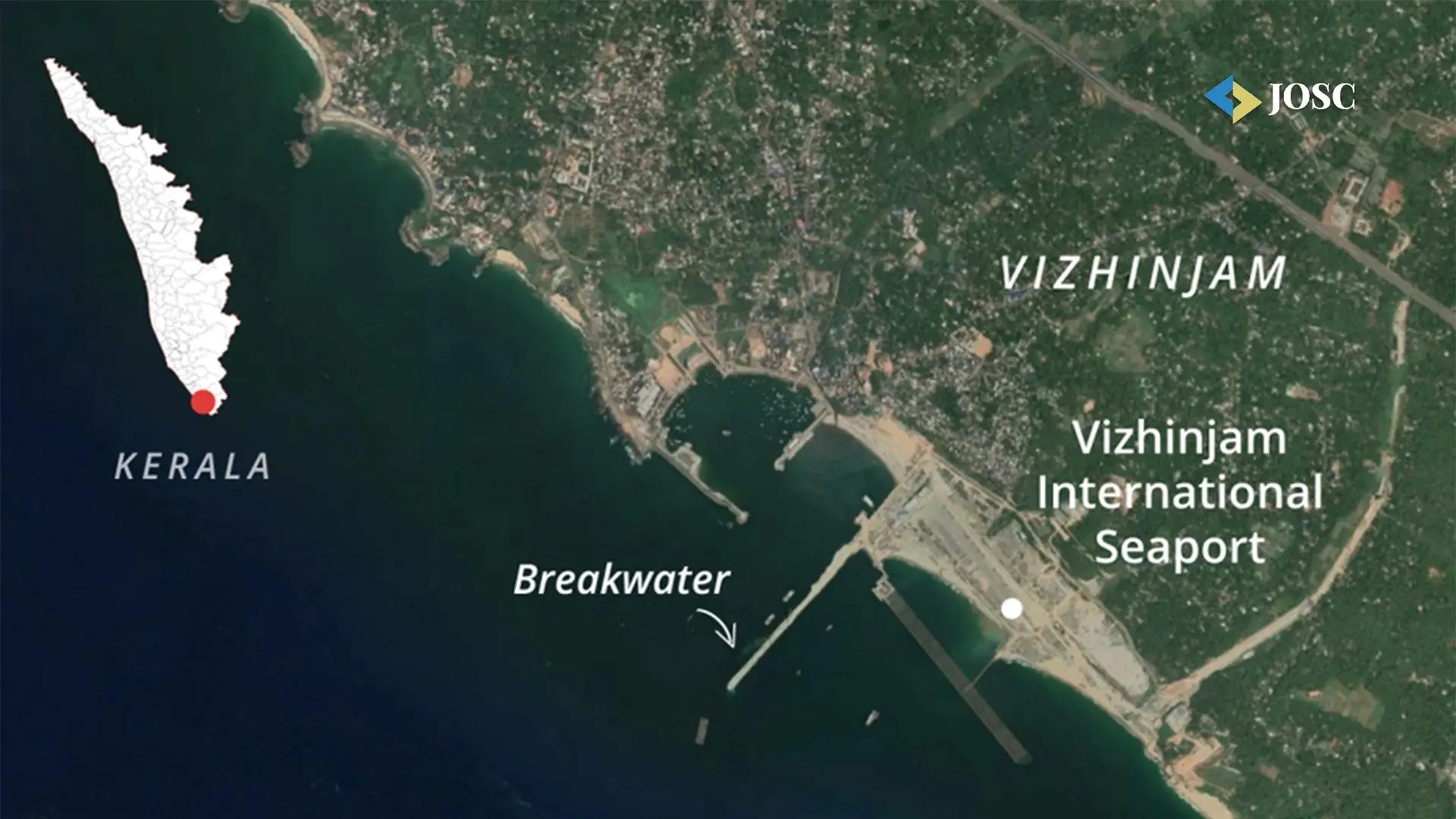
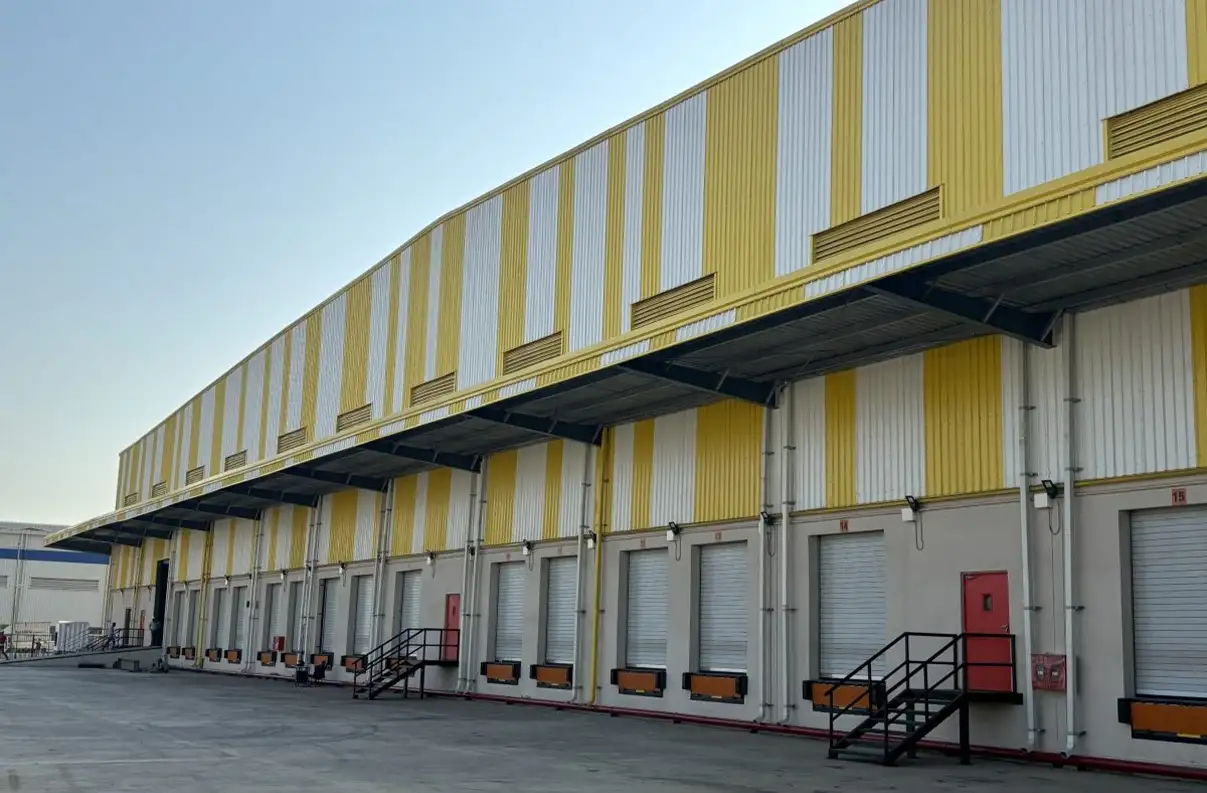
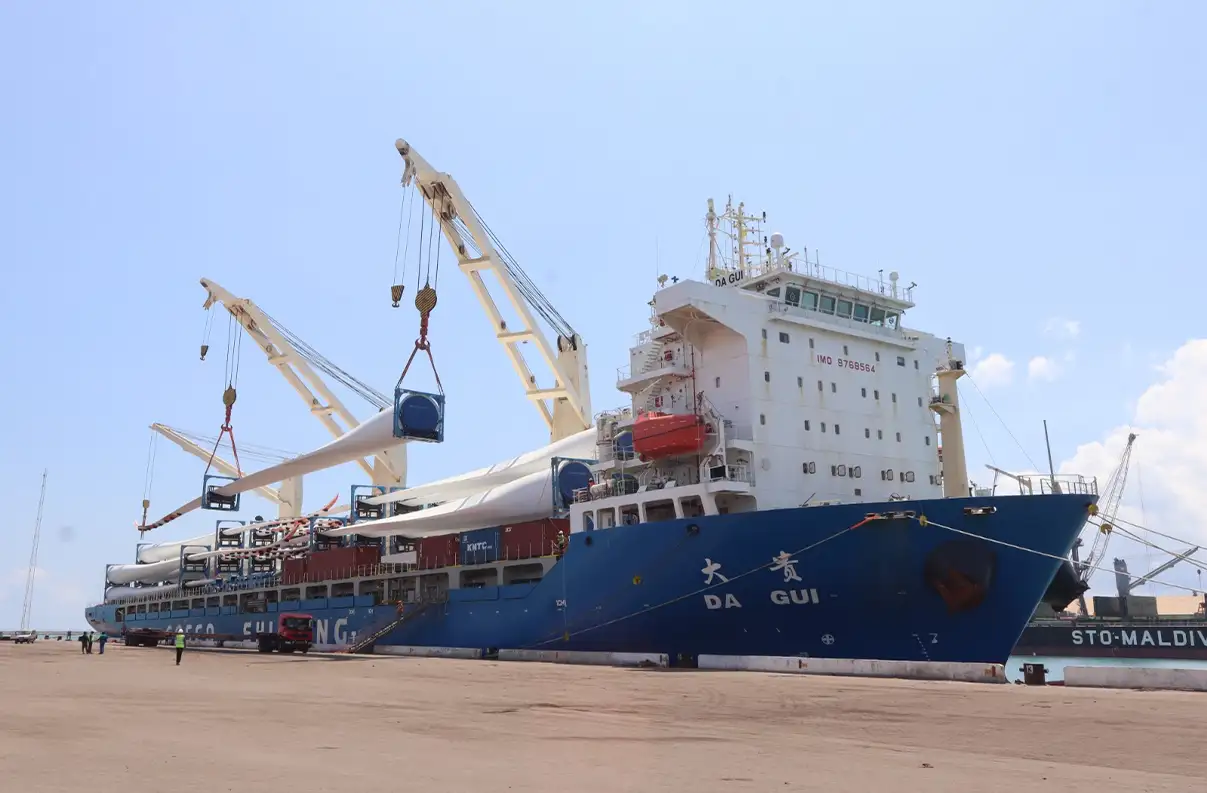
India’s logistics costs are 14% of GDP, but could infrastructure make it a global leader? With its ambitious goal of becoming a global supply chain hub by 2030, the country is strategically positioning itself as the backbone of global trade. But what is the most critical factor that will shape this vision? Let’s explore the intricacies of India’s supply chain aspirations, challenges, and the single most pivotal driver of its success. The Big Picture: Why India? India, with its massive population of over 1.4 billion people and a burgeoning middle class, is not just a manufacturing hub but also one of the largest consumer markets in the world. The country’s geographical advantage—being strategically located between Europe and Asia—makes it a natural choice for global supply chain activities. Recent initiatives such as Make in India, PLI (Production Linked Incentive) schemes, and the National Logistics Policy (NLP) underscore the government’s commitment to strengthening the supply chain ecosystem. However, while these efforts are commendable, the path to becoming a global leader is riddled with challenges, from infrastructure bottlenecks to workforce upskilling. India’s Supply Chain Challenges High Logistics Costs India’s logistics costs are approximately 14% of its GDP, significantly higher than the global average of 8-10%. This makes Indian goods less competitive in global markets. Infrastructure Gaps While mega projects like the Delhi-Mumbai Industrial Corridor and Gati Shakti National Master Plan are underway, the country still faces a significant infrastructure deficit in terms of modern ports, highways, and multimodal logistics parks. Fragmented Supply Chain Ecosystem India’s supply chain is often plagued by inefficiencies due to a lack of coordination between stakeholders, outdated processes, and limited use of technology. Environmental Concerns Sustainability has become a priority in global trade. India must adopt green practices to align with international standards and secure long-term trade partnerships. The Critical Factor: Infrastructure Development While multiple factors contribute to building a robust supply chain ecosystem, infrastructure development emerges as the most critical. Without world-class infrastructure, the entire system collapses. Here’s why: Reducing Logistics Costs Efficient infrastructure can significantly reduce logistics costs by improving transportation efficiency, minimizing delays, and reducing wastage. For example, better road networks and seamless rail connectivity can cut down transit times drastically. Enhancing Global Competitiveness Modern infrastructure—like advanced ports, warehousing facilities, and multimodal hubs—makes Indian goods competitive in global markets by ensuring timely delivery and cost-effectiveness. Attracting Foreign Investments Global investors look for stable and efficient infrastructure before setting up operations. The improvement in logistics facilities under programs like Gati Shakti acts as a magnet for multinational corporations. Boosting Domestic Integration India’s supply chain is as much about domestic integration as it is about global trade. Better connectivity between rural and urban areas ensures that raw materials reach factories on time and finished goods reach markets without delays. Success Stories: Learning from the World Countries like China, Singapore, and Germany offer valuable lessons on how infrastructure development has powered
The only supply chain registration you need
Unrivaled context behind every news and article for free.
 Anamika Mishra,
Sub Editor
Anamika Mishra,
Sub Editor