News
How an Adani Group Port Became a Communist State’s Pride
 Anamika Mishra,
Sub Editor
Anamika Mishra,
Sub Editor
Anamika Mishra,
Sub Editor
Anamika Mishra,
Sub Editor
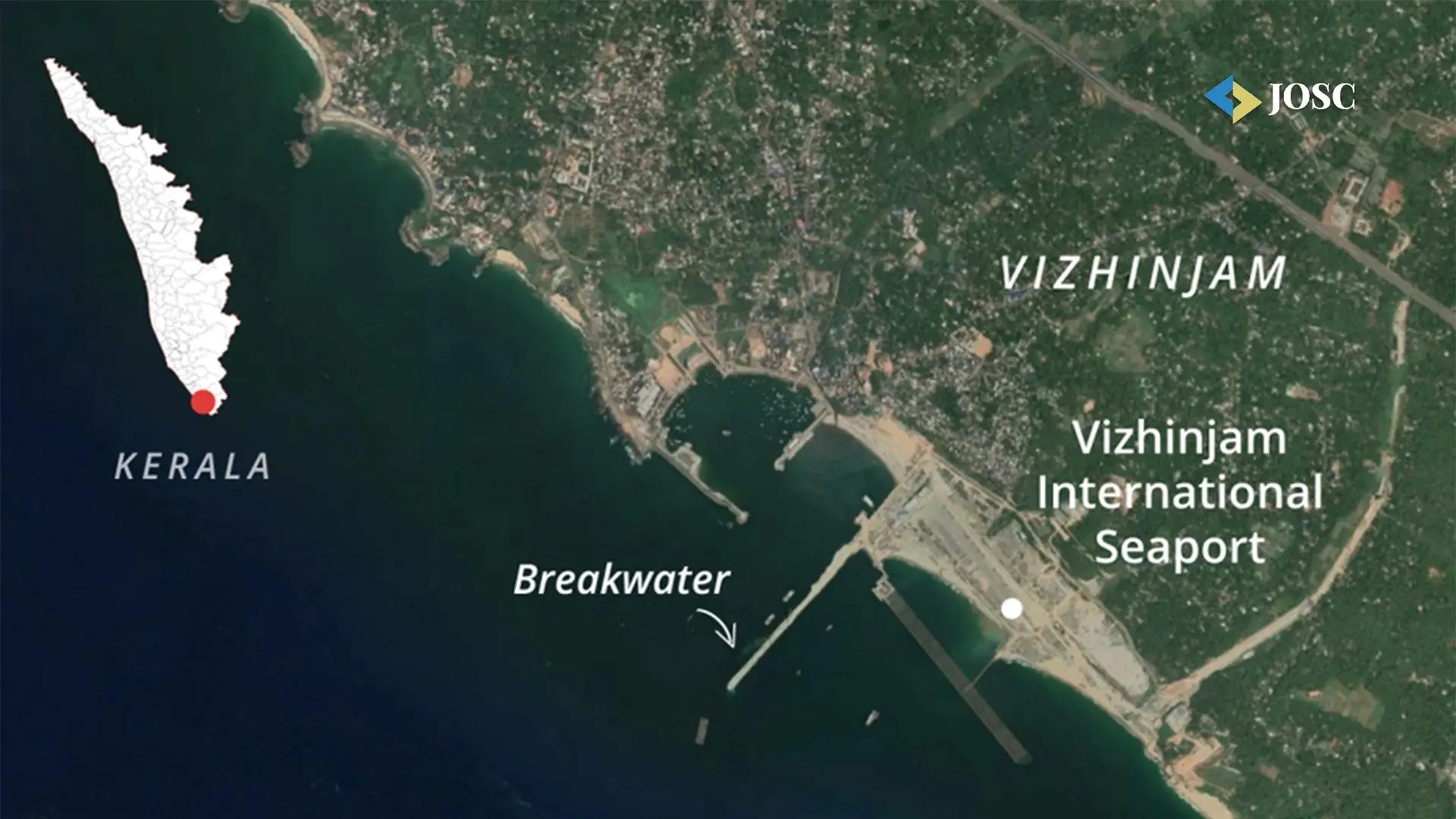
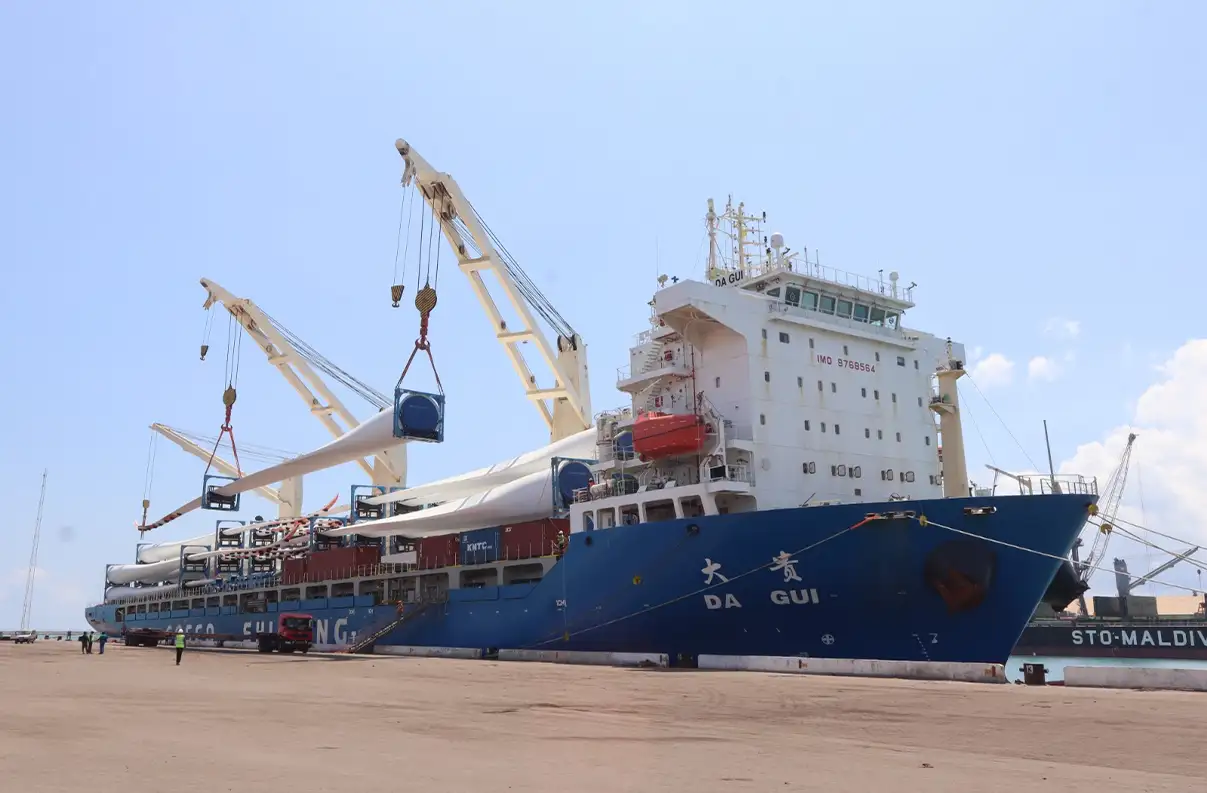
In an unexpected turn of events, an Adani Group deep-water port has transformed into a crucial economic asset for a Communist-ruled Indian state. Initially met with political resistance, the port has now become a major source of economic growth, job creation, and trade expansion.
The port, designed for handling large-scale international cargo, has significantly boosted the state’s maritime trade capabilities. Despite ideological differences, state officials now acknowledge its positive impact on local industries and exports. The port’s strategic location has enhanced India’s global trade connectivity, making it a key player in the country’s infrastructure development.
Experts highlight how the success of the Adani port demonstrates the importance of public-private partnerships in driving economic progress. While political debates continue, the undeniable benefits of modern infrastructure projects like this are reshaping India’s economic landscape.
This case underscores the growing pragmatism in India’s political and business environments, where economic interests often override ideological divides. As India aims to become a global logistics leader, ports like this will play a critical role in strengthening the country’s supply chain ecosystem.
Explore the latest edition of Journal of Supply Chain Magazine and be part of the JOSC News Bulletin.
Discover all our upcoming events and secure your tickets today.
Journal of Supply Chain is a Hansi Bakis Media brand.
Subscribe to our Daily Newsletter
Subscribe For FreeBy continuing you agree to our Privacy Policy & Terms & Conditions