News

Government Prioritizes Sustainable Logistics: DPIIT Highlights Green Initiatives

July 25, 2024 3 min read
author Anamika Mishra, Sub Editor

In an important step toward environmentally friendly, sustainable logistics, the government has launched a number of initiatives to support economic growth by utilizing cutting-edge technology like automation and digitalization.

GatiShakti Mission of PM

Leading this change is the PM GatiShakti National Master Plan (NMP), which aims to boost industry productivity and assist the nation's clean energy and green logistics objectives. Sustainable economic activity will be facilitated by the NMP's multi-modal connection spanning inland waterways, ports, airports, railroads, and logistics infrastructure.

National Logistics Policy

The National Logistics Policy (NLP 2022), which emphasizes modernizing the logistics industry through the deployment of digital technology, is essential to this endeavor. Under the auspices of the Ministry of Commerce and Industry, the National Industrial Corridor Development Corporation Limited (NICDC) has created digital platforms such as the Unified Logistics Interface Platform (ULIP) and Logistics Data Bank (LDB) to facilitate the digital tracking and monitoring of logistics movements throughout the nation.

The goal of NLP 2022 is to create an ecosystem for logistics that is robust, affordable, and sustainable. One of the primary areas of concentration is the Sectoral Plan for Efficient Logistics (SPEL), which focuses on important economic sectors like steel, coal, cement, fertilizer, and pharmaceuticals. The policy aims to revolutionize logistics operations by analyzing current supply chain networks and advocating for multimodal transportation, digitization, and automation.

Policy for Coal Logistics


The Coal Logistics Plan, a noteworthy endeavor under this policy, suggests a strategic move towards a railway-based system for first mile connection initiatives. This revolutionary strategy is anticipated to achieve a 10% decrease in the average turnaround time of wagons across the country, greatly reduce air pollution, ease traffic congestion, and reduce carbon emissions by around 100,000 tonne annually.

National Rail Plan

The government wants to raise Indian Railway's freight share from the present 35–36 percent to 45 percent by 2030, acknowledging the environmental advantages of railroads, through strategic programs such as the National Rail. In order to improve the modal shift towards railroads and promote cleaner freight movement, the Ministry of railroads is also creating the Rail Sagar Corridor program. This program aims to increase rail and port-based cargo. A scheme known as the GatiShakti Multi Modal Cargo Terminal (GCT) has also been introduced to hasten the expansion of railway freight traffic.

The freight greenhouse gas (GHG) calculator was created to better encourage sustainability. With this tool, the overall cost of transportation and greenhouse gas emissions for a fixed origin-destination pair may be computed and compared across different modes of transportation. Additionally, Indian Railways has implemented the idea of "Rail Green Points" to inform freight customers about the anticipated reductions in carbon emissions.

Warehousing Standards


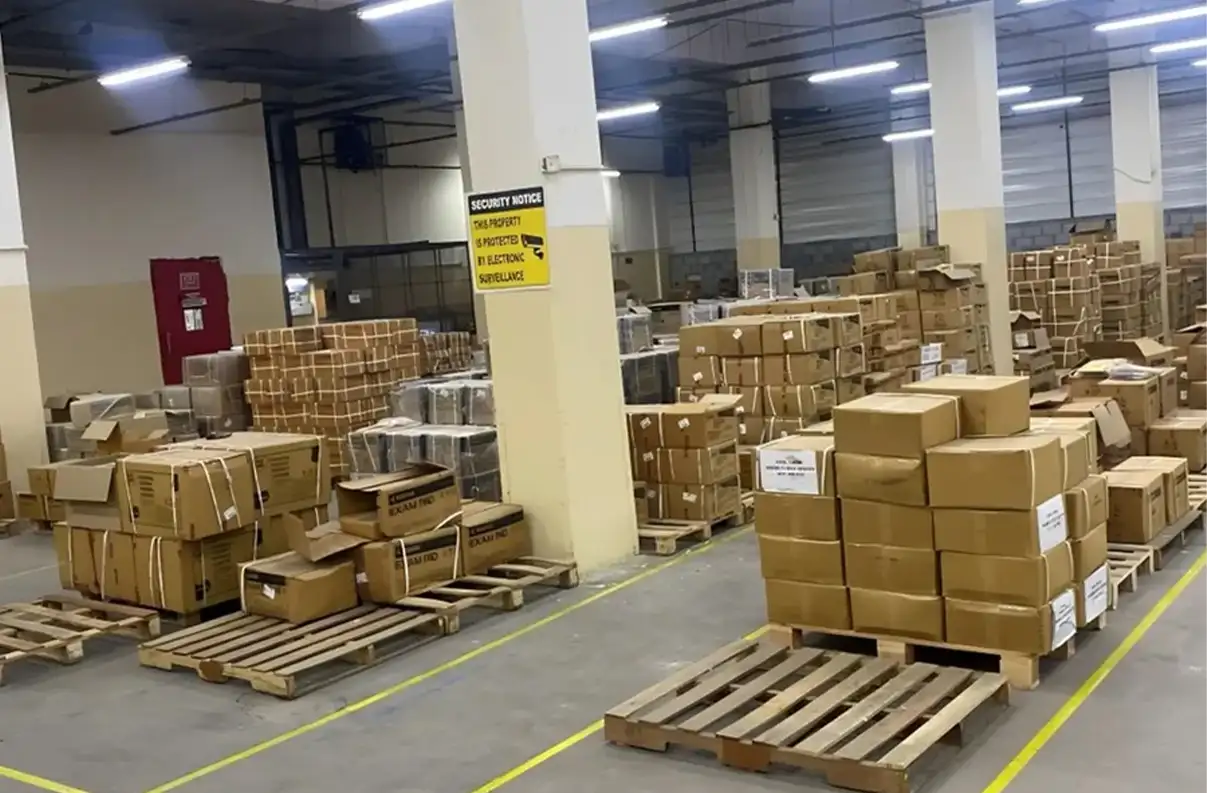
An e-handbook on warehousing standards has also been released in an effort to maximize the utilization of warehouse space, advance interoperability, and ease modal transitions. The manual offers recommendations and best practices for enhancing the infrastructure of warehouses, increasing productivity, cutting expenses, drawing in investments, using new technology, and adhering to international best practices.

Digital platforms for efficiency


Digital tools such as ULIP and the PM GatiShakti National Master Plan have made data-driven decision-making easier. Industry participants can safely access resource and logistical data from many ministries thanks to ULIP. Presently, 118 APIs are used to integrate 37 systems from ten ministries, providing stakeholders with access to over 1800 data fields.


Explore the latest edition of Journal of Supply Chain Magazine and be part of the JOSC News Bulletin.

Discover all our upcoming events and secure your tickets today.


Journal of Supply Chain is a Hansi Bakis Media brand.

Leave Comment

logo

Subscribe to Our Newsletter

The week’s best stories, handpicked by JOSC editors in your inbox every week.

Stay informed with exclusive content