News
Global Supply Chains Under Strain Again: Are Rising Inflation Rates Ahead?
 Anamika Mishra,
Sub Editor
Anamika Mishra,
Sub Editor
Anamika Mishra,
Sub Editor
Anamika Mishra,
Sub Editor
As global supply chains grapple with renewed pressures, managers are reflecting on the challenges posed by recent geopolitical and environmental events. From conflicts in the Middle East to droughts in Central America and strikes in the US, the complexities of transporting goods have intensified, raising concerns about potential inflation.
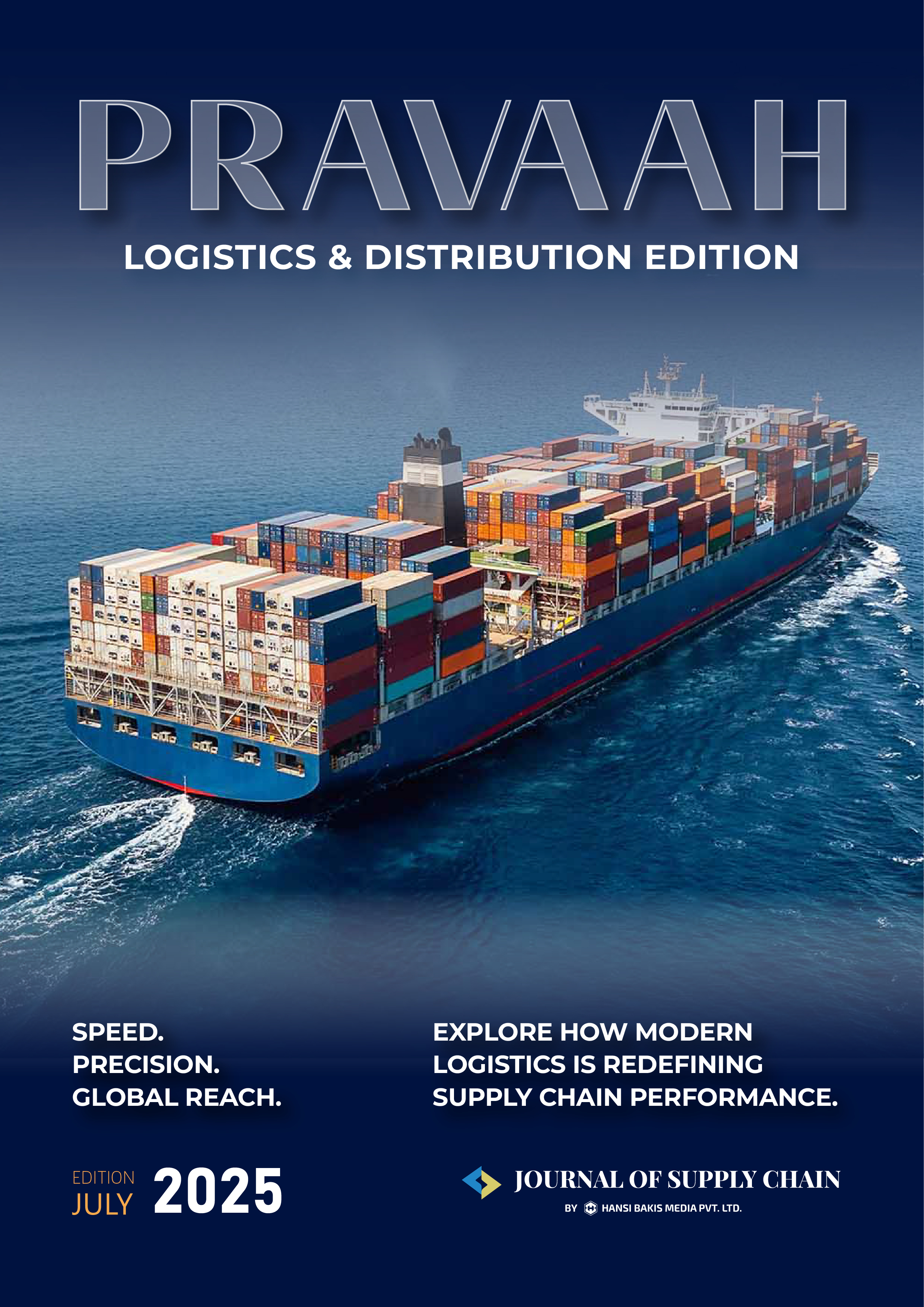
Shipping operations are facing significant hurdles, particularly due to disruptions in the Middle East. Attacks on vessels by Houthi rebels have caused traffic through the Red Sea to plummet by two-thirds, a route that previously accounted for 12% of global trade. Major shipping companies like Maersk have largely abandoned this route, opting instead for the longer and more costly journey around the Cape of Good Hope, adding an estimated 10 days to transit times.
Peter Sand, chief analyst at shipping analytics firm Xeneta, indicated that while most container ships are already avoiding the Red Sea, further deterioration in the political situation could hinder the return of these vessels, prolonging trade disruptions.
Additionally, the Panama Canal has also seen a drop in traffic due to drought conditions that forced its operator to reduce the daily ship cap from 36 to 20. This situation, coupled with ongoing strikes by nearly 50,000 members of the International Longshoremen’s Association at 14 US east coast ports, has further strained supply chains.
Marco Forgione, director general at the Chartered Institute of Export and International Trade, described current supply chains as "highly fragile" and facing "exceptional pressures," exacerbated by ongoing geopolitical conflicts, including Russia's invasion of Ukraine and tensions from the US-China trade standoff.
The financial repercussions of these disruptions are significant, with freight costs soaring. Companies opting for the longer Cape route are facing a 40% increase in fuel costs. Spot rates for 40-foot containers shipping from East Asia to Northern Europe peaked at $8,587 in July, reflecting a staggering 468% increase from December 2023. The US port strikes have also driven container prices from Northern Europe to the US east coast up to $2,861, compared to $1,836 at the end of August.
Longer lead times are another consequence, with diversions adding up to four weeks to delivery schedules, impacting manufacturers and retailers alike. Carmakers such as Volvo and Tesla have halted production due to parts shortages, while UK retailers like DFS and JD Sports have reported a negative impact on sales.
Forgione warns that ongoing disruptions could ultimately affect consumers, leading to price increases, "shrinkflation," or reduced product availability. The oil market is also feeling the strain, with prices rising to nearly $76 a barrel amid concerns over potential disruptions in Iranian crude output.
Goldman Sachs has flagged the possibility of a "large oil price spike" if trade through the Strait of Hormuz, a critical shipping route, is interrupted. Conversely, Saudi Arabia has suggested that prices could drop to around $50 a barrel due to a supply surplus.
As inflation rates, which surged above 10% in 2021, have recently fallen to near the Bank of England's target of 2%, prices still remain over 20% higher than pre-pandemic levels, impacting household budgets. The UK, known for its openness to trade, continues to feel the economic repercussions of the pandemic and ongoing global conflicts. Should companies pass on rising costs to consumers, Britons may soon face renewed financial strain.
Explore the latest edition of Journal of Supply Chain Magazine and be part of the JOSC News Bulletin.
Discover all our upcoming events and secure your tickets today.
Journal of Supply Chain is a Hansi Bakis Media brand.
Subscribe to our Daily Newsletter
Subscribe For FreeBy continuing you agree to our Privacy Policy & Terms & Conditions